
ArchDaily | Bird-inspired architecture: understanding the land in Chile
- Publicado el 10.06.2026
- Escrito por Angel Fondon
How can we transform architectural design into an active tool for conservation? By considering nature as an inexhaustible source of inspiration, a harmonious relationship with it frames the countless interrelationships that exist between human beings, organisms, and natural cycles. Designing with the landscape means learning to coexist with its temporalities without being able to control its processes. Traditions, ecology, and the past and present of territories all contribute to creating spaces that reflect their communities. Landscape architecture can draw inspiration from birds, plants, and other natural elements in an effort to shape the complex, dynamic network of ecosystems and uses that comprise the environment.

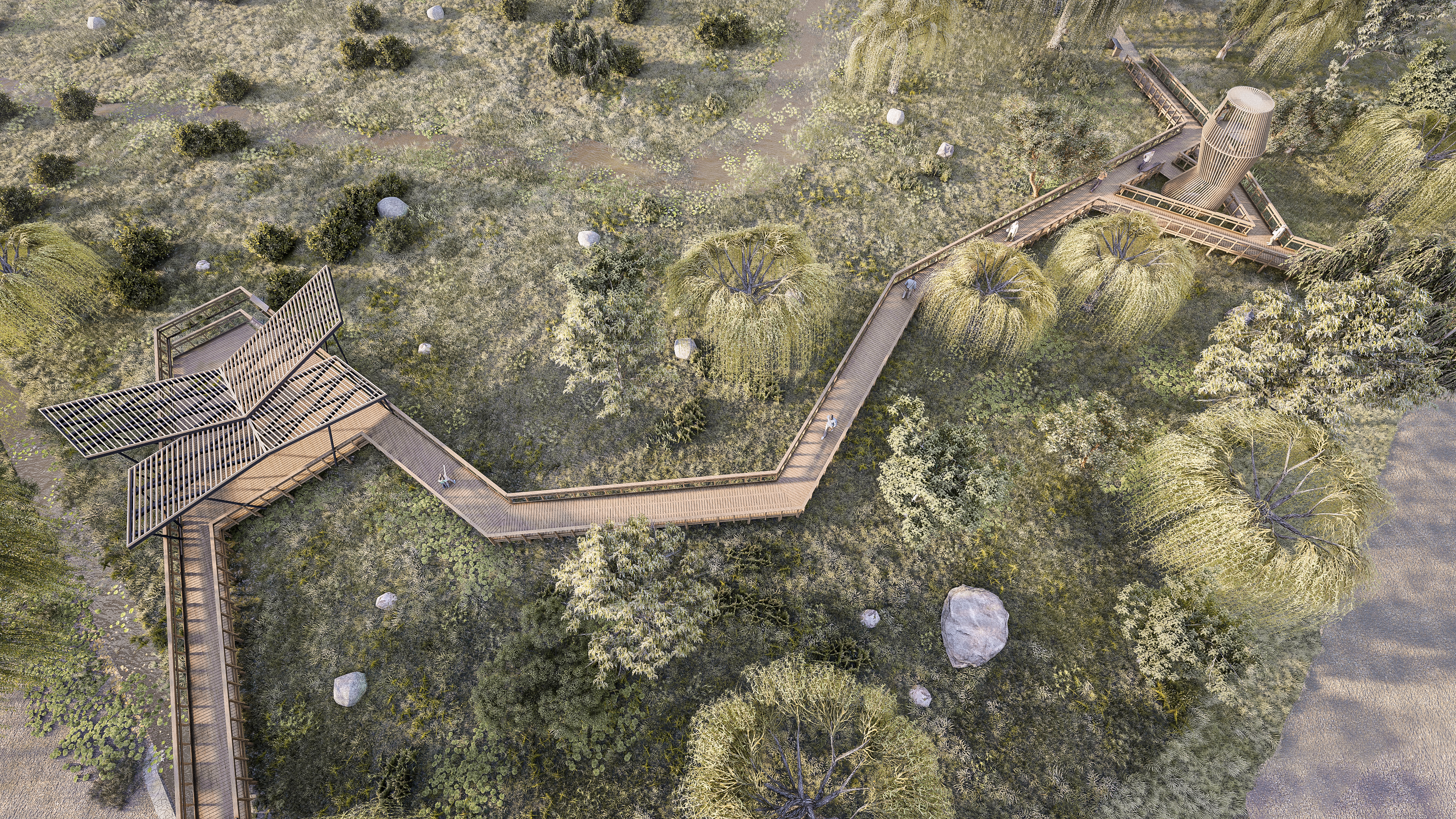
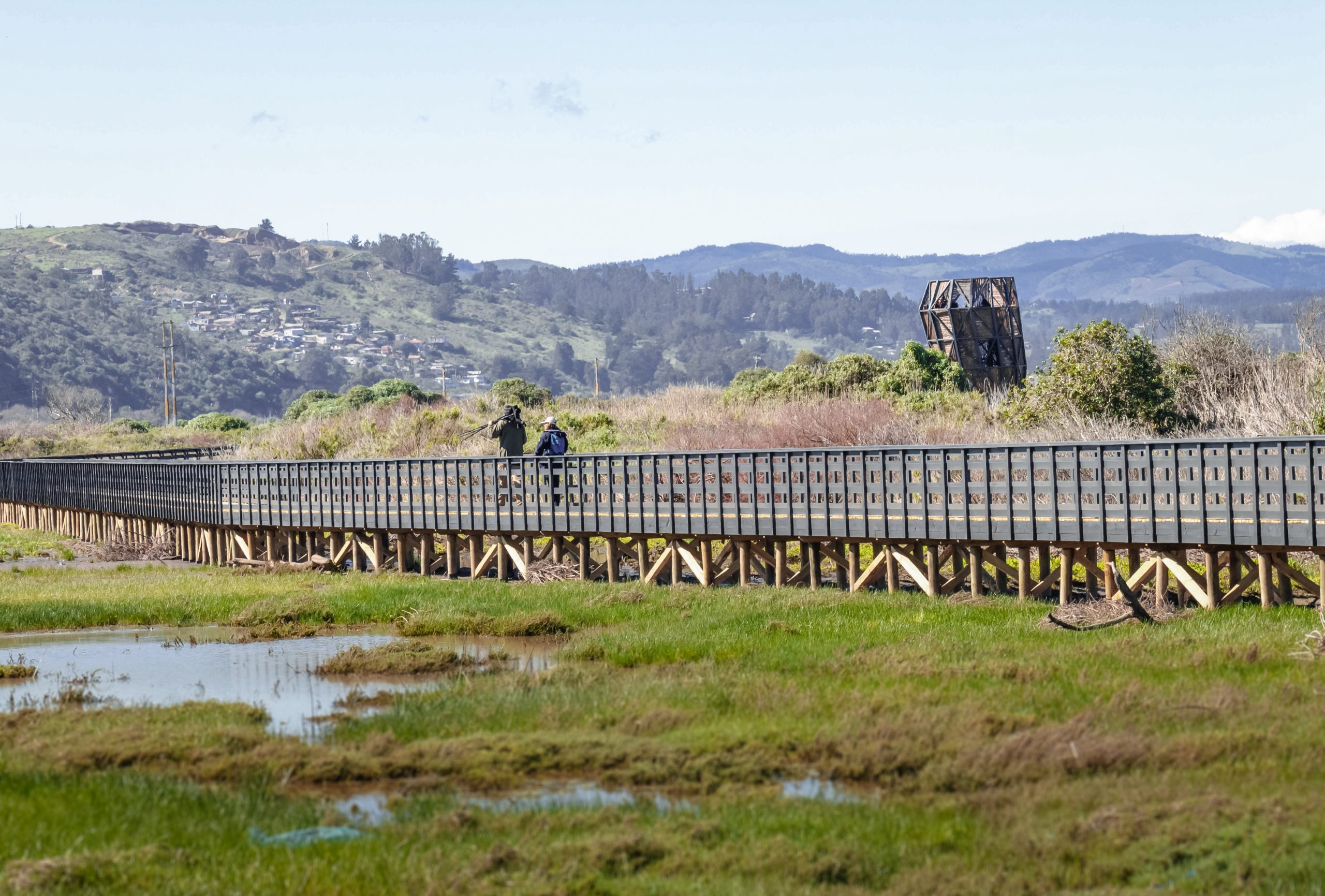
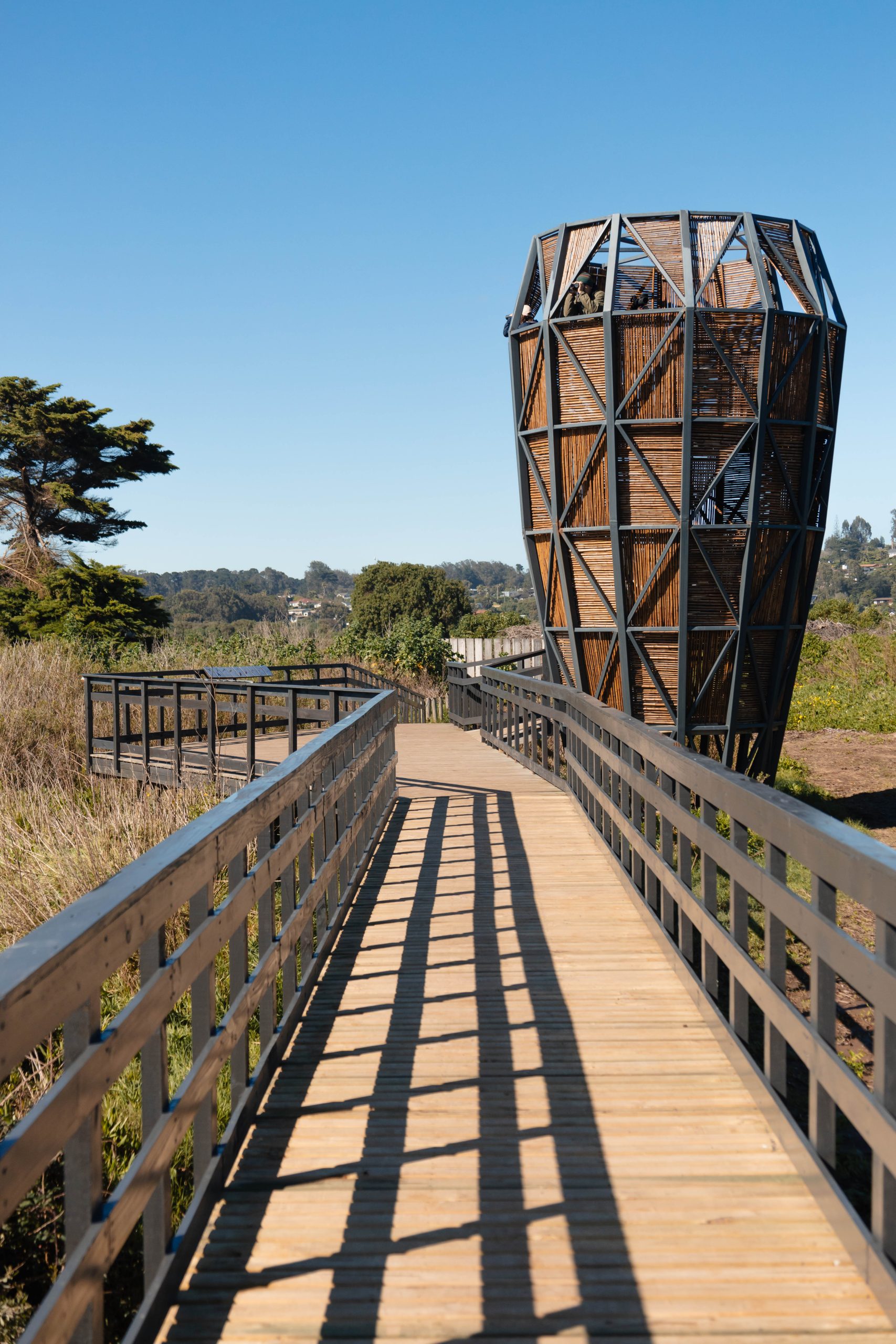
All living beings interact with and modify their surroundings, influencing other species and their relationships, going beyond simply creating networks and connections between organisms and environments. Human beings are part of this transformative movement, shaping each territory they inhabit thanks to their intellectual capacity, cultural richness, and potential for group organization. However, this capacity now represents a threat to many life forms, damaging several of the ecological functions that allow us to exist. The triple environmental crisis—climate change, biodiversity loss, and pollution—is largely due to a profound physical, biological, and spiritual disconnection of human communities from the ecosystems that sustain the essential functions for life.
Ecosystem services represent the tangible and intangible contributions that nature provides for the survival and development of human beings. Highlighting the importance of ecosystems for human life, their benefits are classified into four categories according to the Millennium Ecosystem Assessment, a global project promoted by the United Nations between 2001 and 2005. The categorization includes provisioning services (such as food, water, timber, fibers, and medicinal plants), regulating services (such as climate regulation, flood control, water purification, and pest control), supporting services (such as soil formation, photosynthesis, and nutrient cycling), and cultural services (such as recreational, aesthetic, educational, spiritual, and cultural experiences).
Currently, this concept has evolved to “Nature’s Contributions to People” (NCP), considering that there is a bidirectional and dynamic relationship between people and nature while recognizing the diversity of values, perceptions and knowledge that arise from this interaction.
“The beauty of nature moves us as something grand that points beyond ourselves. Man comes from nature and returns to it again. When we perceive as beautiful a landscape that we have not tamed and shaped to our liking, a premonition of the dimension of our life in that immeasurability of nature arises in our consciousness. We feel uplifted; humble and proud, all at once.” —Peter Zumthor, Thinking Architecture
Reflecting on ways of inhabiting the planet, Fundación Cosmos is a Chilean organization dedicated to designing nature-based infrastructure and territorial management models. Recognizing the importance of reconnecting with the land, they work from a landscape architecture perspective, seeking to integrate ecological conservation, environmental education, and responsible public use, in collaboration with local communities, municipal governments, and public agencies. Through projects developed in urban and peri-urban wetlands in Chile, their approach is based on principles of vernacular and biomimetic architecture, drawing inspiration from local species, ecological dynamics, and traditional building knowledge.
“At Fundación Cosmos, we understand that design cannot be an isolated or imposed act: it must be a sensitive and respectful response to the territories we inhabit. That is why we work with an architecture that is inspired by nature and engages in dialogue with it. This approach not only minimizes ecological impact but also allows us to create infrastructure that strengthens conservation and generates meaningful experiences for communities. For us, designing with nature is an essential part of how we envision the future of public and natural spaces.” —Felipe Correa, architect and project director at Fundación Cosmos
Read the full article at archdaily.cl