Las Salinas de Huentelauquén Wetland Park
Canela, Coquimbo Region, Chile
At the mouth of the Choapa River is the Las Salinas de Huentelauquén Ramsar Site , a wetland internationally recognized for its importance to the conservation of biodiversity and the well-being of human communities.
Spanning over 2,200 hectares, it is the largest wetland in the Coquimbo Region. It comprises an interconnected mosaic of highly diverse ecosystems, including beaches, plains, dunes, ravines, runoff and coastal wetlands, as well as a large estuarine lagoon. This wealth of habitats supports 160 bird species , 14 mammal species, 4 amphibian species, and 133 plant species. For this reason, on February 2, 2015, it was declared a Wetland of International Importance under the Ramsar Convention.
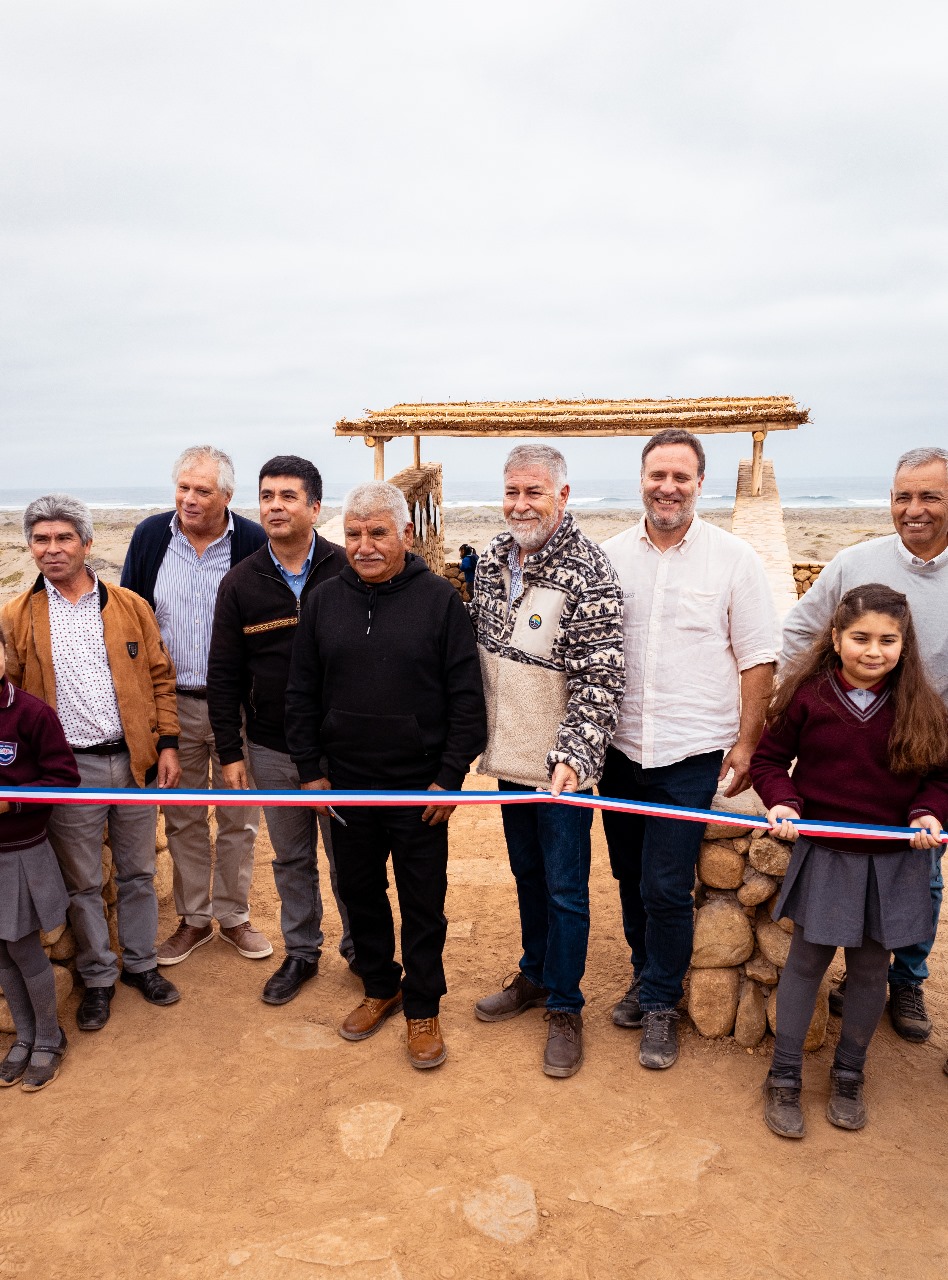
With the aim of highlighting the natural and cultural heritage of this ecosystem , in 2023 the Huentelauquén Estate and the Huentelauquén Agricultural Community signed an agreement with the Cosmos Foundation to promote the development of the Las Salinas de Huentelauquén Wetland Park. This initiative includes the implementation of infrastructure for tourism and environmental education, promoting a space for contemplation, observation, and learning that actively contributes to the conservation of the wetland.
Currently, the project is in full development, is attached to the Law of Cultural Donations and has 40% financing, advancing steadily towards the consolidation of this space of environmental and biocultural value.

Las Salinas de Huentelauquén Wetland Park
The Las Salinas de Huentelauquén Wetland is located in the municipality of Canela, in an area classified as underdeveloped due to structural gaps in development. With the aim of helping to reduce these gaps, we are promoting the Las Salinas de Huentelauquén Wetland Park project, an initiative that seeks to position this valuable ecosystem as a new hub for tourism development in the Coquimbo Region , highlighting its natural, cultural, and scenic heritage through infrastructure development and the implementation of a local management model.
This project has emerged organically thanks to the active commitment of the local community, especially the Huentelauquén Agricultural Community , the organization that owns the land of the Ramsar Site, whose members play a key role in protecting the ecosystem and its projection as a space for sustainable tourism and environmental education.
The initiative is the result of collaborative work between public and private actors , and has the participation of various organizations, including the Municipality of Canela, the Network of Bird and Wildlife Observers of Chile (ROC), the Hacienda de Huentelauquén and the Cosmos Foundation.
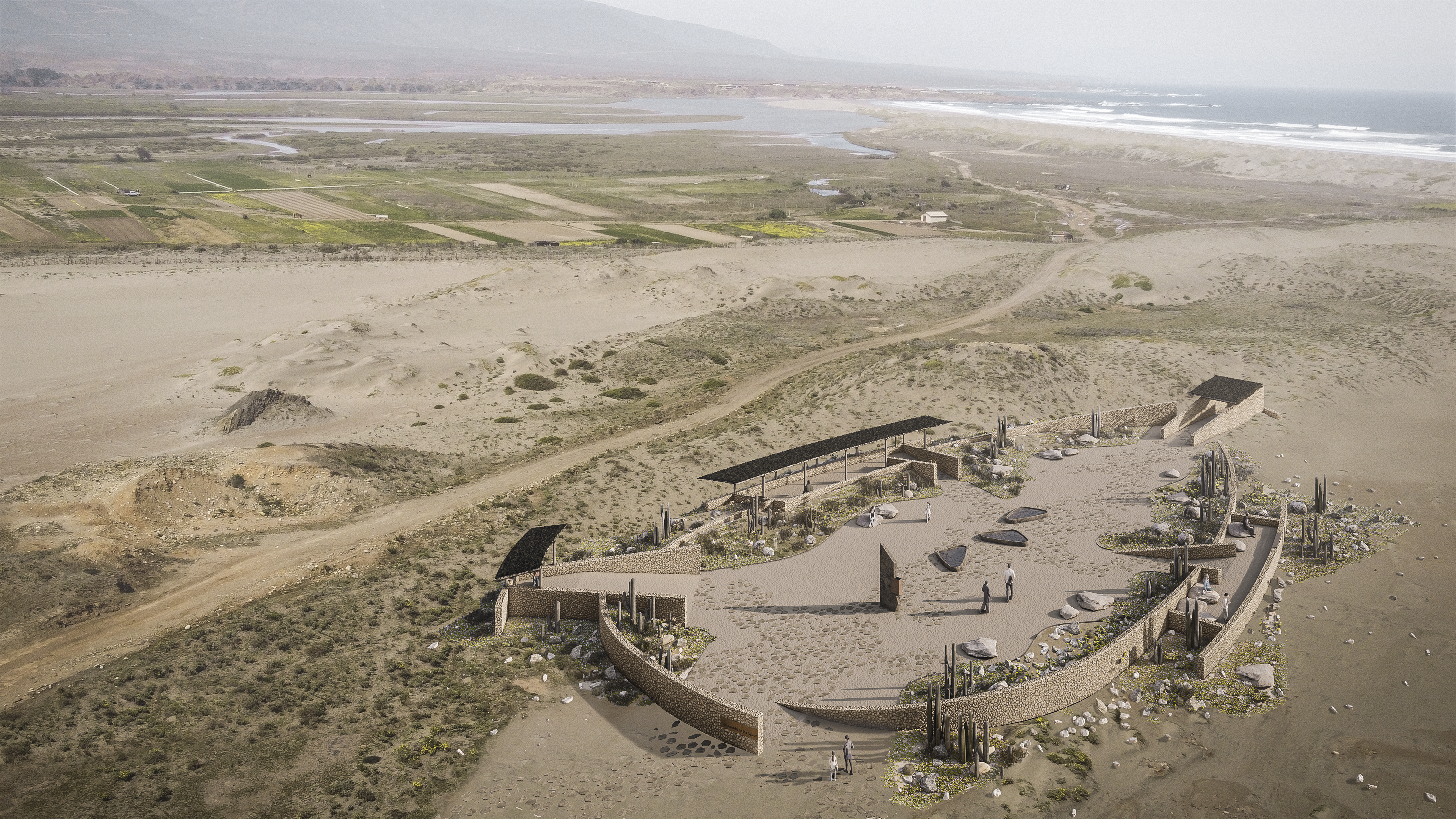
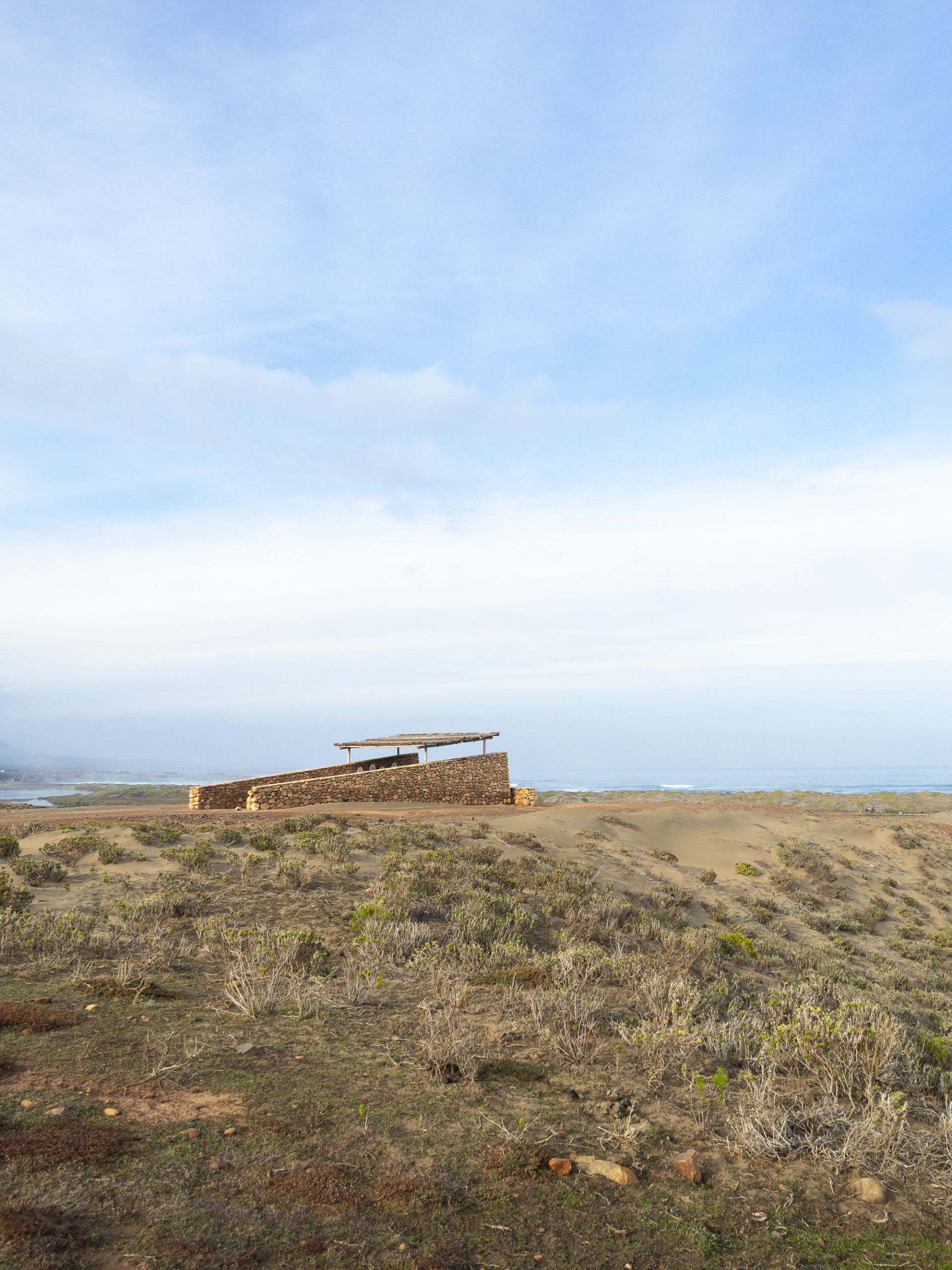
The Park’s master plan includes the construction of a visitor welcome and interpretation center, an open-air museum, a museum-style cultural route, and the development of a local management model, components that together will allow the articulation of the territory’s experience and project its sustainability over time.