
Kamuna Center
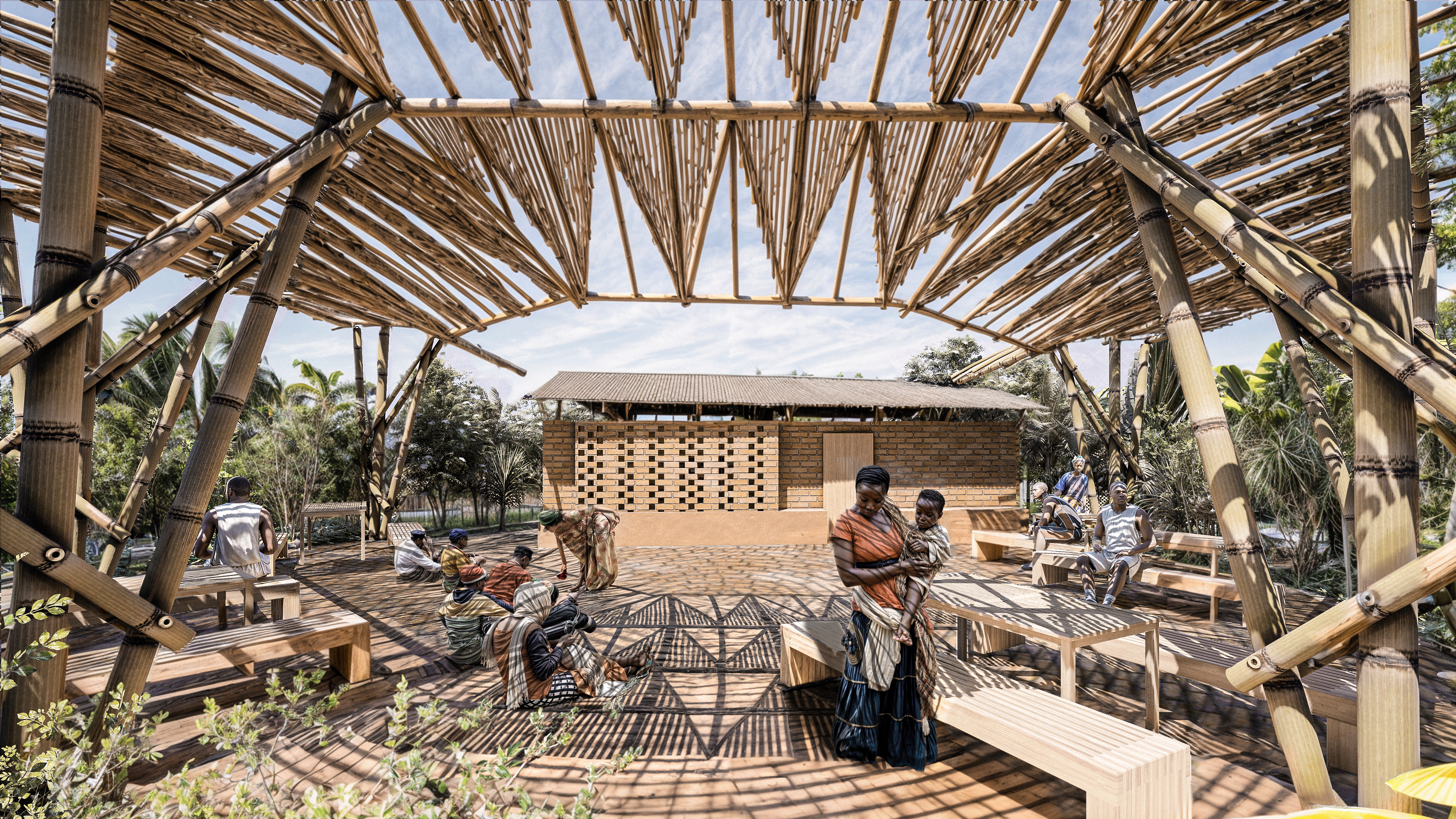
“Burundi, nyina w’ubutwari, abana bawe bararamura amaso, barondera mu kirere, isezerano ry’ejo hazaza heza.”
“Burundi, brave mother, your children look up, searching the horizon for the promise of a better future.”
Roland Rugero
A.LU.MA-Burundi is a non-profit organization originally created to support the fight against malaria, one of the main health problems in Burundi, a country with high levels of social vulnerability and conflict located in east-central Africa. Following the country’s political crisis in 2015, unemployment and problematic drug use increased significantly, primarily affecting young adults in poor urban neighborhoods. Therefore, the organization decided in 2017 to become involved in the rehabilitation and reintegration of people with addiction problems.
In 2019, A.LU.MA- Burundi set out to build a rehabilitation center on land located in Kamuna, a town near the village of Cakuzo, in the north of the country, in order to carry out recovery and reintegration work in a rural environment, forming a community center where professionals and people from the local community assist in the rehabilitation process.
Based on the experience with nature-based health therapies in the Healing Gardens projects developed by the Cosmos Foundation, an agreement was established to share knowledge so that nature can be an ally in the rehabilitation and reintegration of patients and residents of this African center.


The power of collaboration
The design of the new rehabilitation center in Kamuna is in the hands of a multidisciplinary and international team that includes the Itinérances architecture group (a collective of European architects interested in social, environmental, sustainability and self-construction issues), a local team made up of former politicians, renowned engineers, social workers and journalists, and the Cosmos Foundation , which contributes its experience in the design of Healing Gardens.
Through challenging international, intercultural, and interdisciplinary work, we have achieved seamless online collaboration, sharing tools and training to jointly design the campus’s areas, resulting in a master plan of natural areas to support the rehabilitation and reintegration of its residents.


Gardens for encounter and rehabilitation
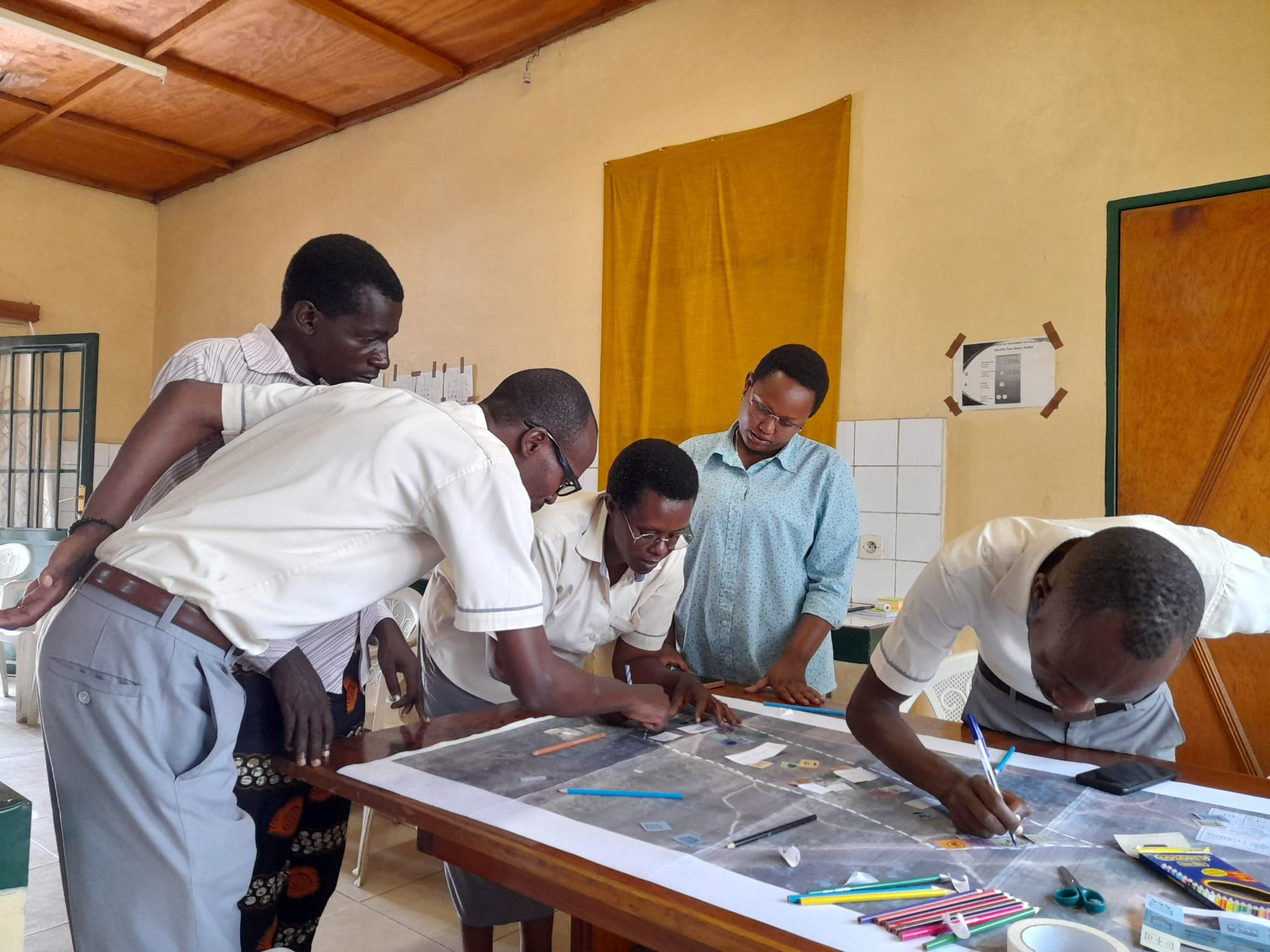
Through a process of territorial, clinical, and social diagnosis, and through participatory design activities with the local community, medical staff, patients, and officials, a master plan for natural areas was designed with the goal of creating spaces for integration between the community and patients, promoting the garden as a platform for reintegration, creating spaces for learning local trades, enabling therapy through horticulture, promoting social activities, and creating spaces for rest, contemplation, and recreation.
“I think it will be a favorable area for patients, first and foremost because it’s far from Bujumbura and therefore from toxic product markets. The natural environment will also provide many benefits for patients.”
Opinion collected from the social diagnosis process
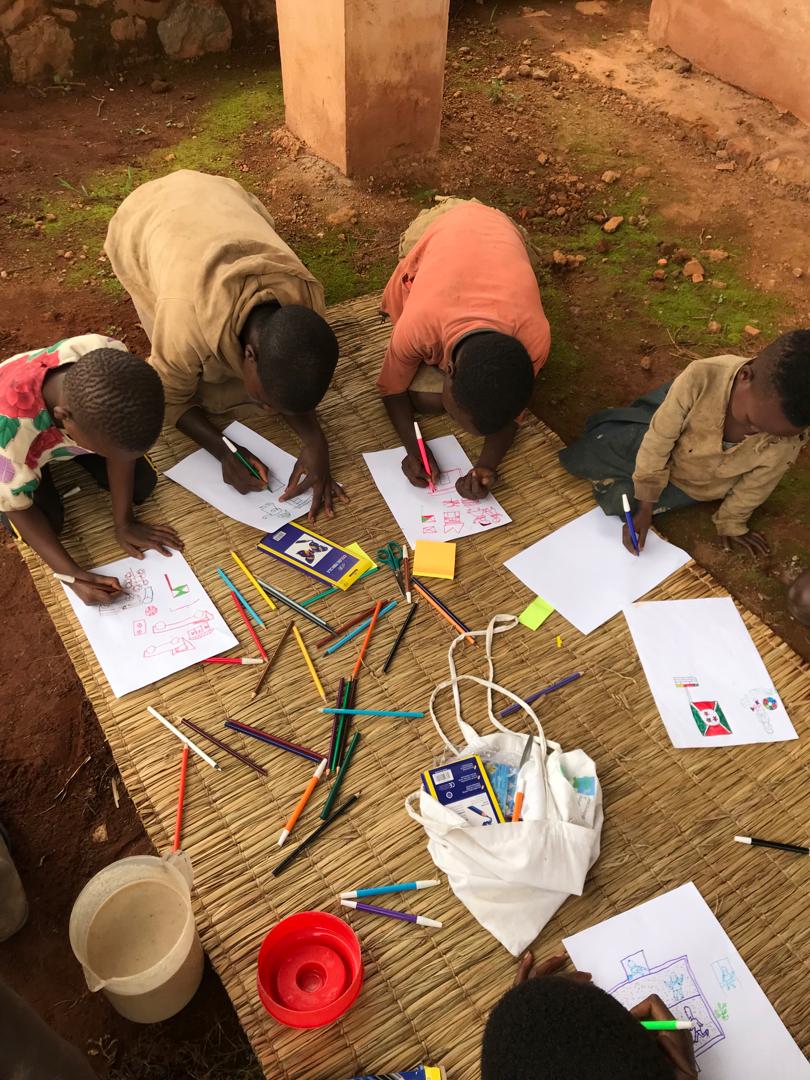
For the diagnostic phase, we used traditional Fundación Cosmos techniques, but adapted them to this new cultural context. To give the project a cultural identity and local atmosphere, we used participatory activities such as the “Favorites Panel,” through which we were able to identify community preferences regarding landscapes, materials, forms, and cultural elements to highlight. Through participatory mapping, we understood which of these spaces were more public and which required some type of enclosure, as well as their location on the site.
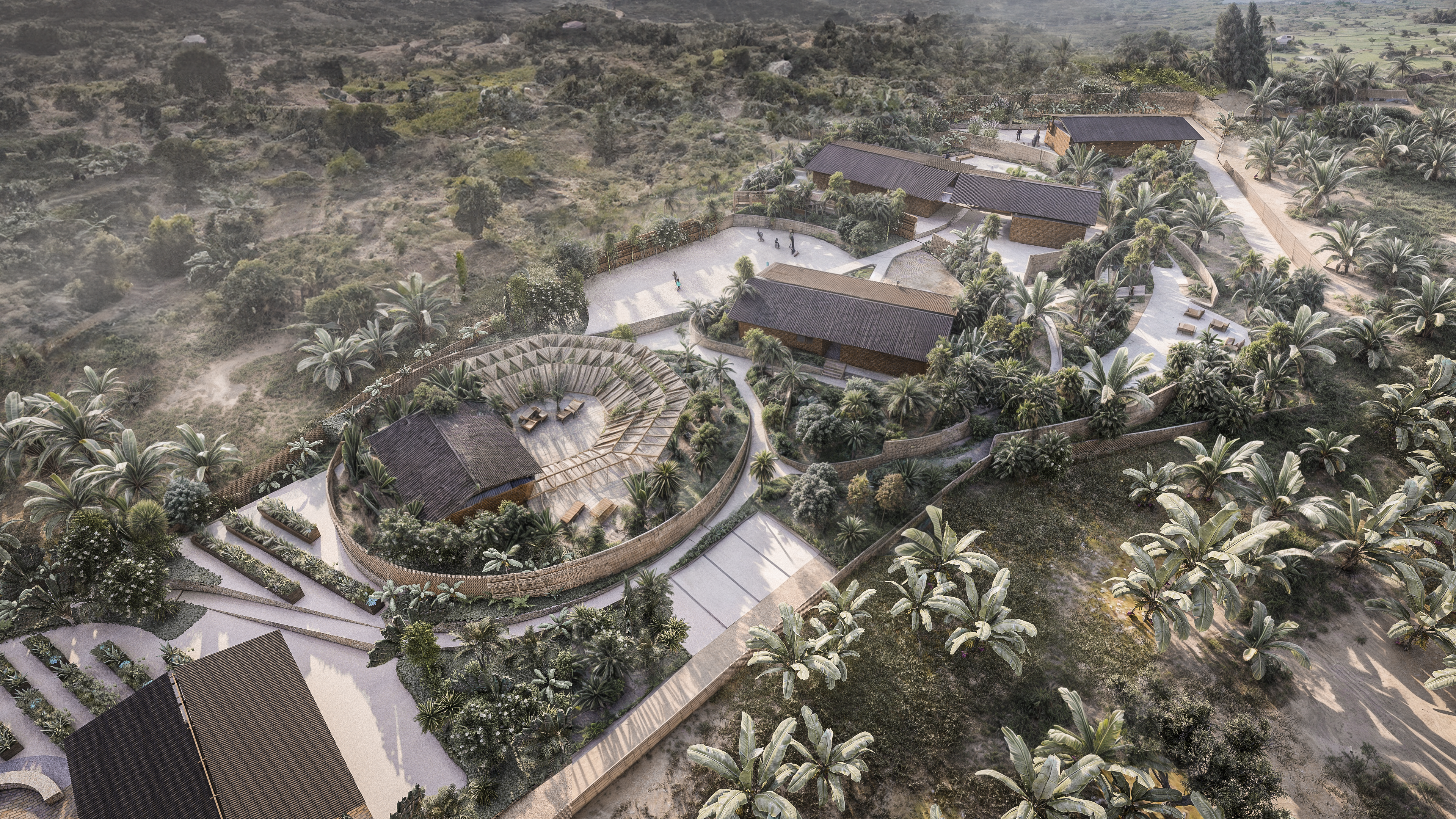
Based on these results, nine areas of different uses were designed over 4,900 m2, prioritizing traditional construction techniques, such as bamboo and brick, and simulating the hillside landscape construction strategy, a traditional way of life in the area, incorporating the organizational structure of native community villages.
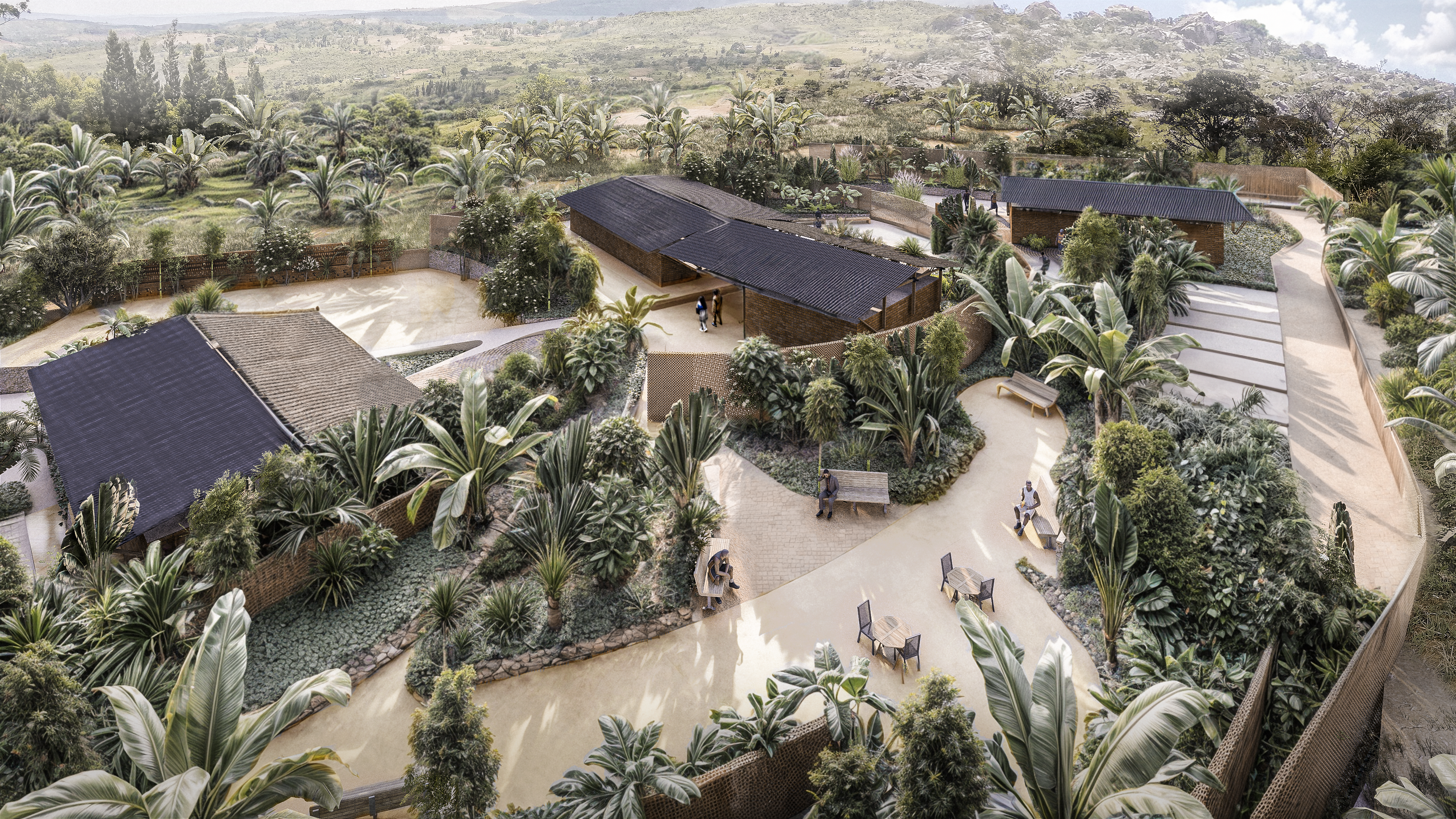
The plant palette was based on the study of building components with landscape species, including sacred trees for relaxation spaces, climbing plants that form modifiable plant walls, and the use of bamboo and papyrus to construct shade nets with shapes inspired by traditional Burundian basketry, which is specifically developed at this center.
The master plan’s zoning transitions between public spaces for connecting with the local community and sharing trade knowledge; intermediate areas where patients and family members actively participate, such as waiting areas, sports areas, and therapy zones; and restricted, private spaces containing patient and staff bedrooms that require gardens and more contained, secluded spaces.
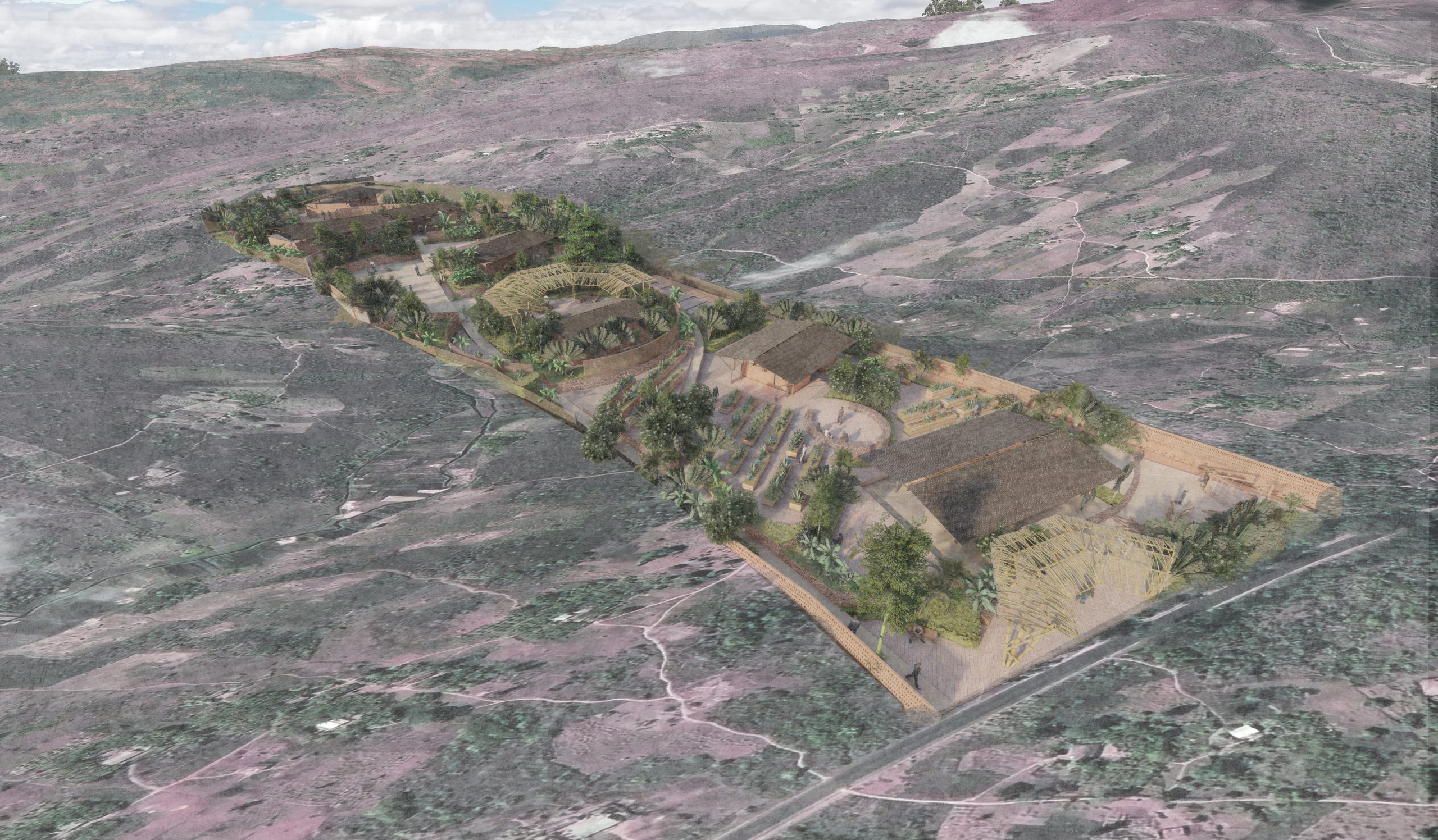
The site of the new center offers a peaceful setting away from drug markets, facilitating recovery. This natural areas master plan seeks to enhance the natural characteristics of this area, fostering a sense of community and providing intimate spaces for residents, offering a comprehensive and sustainable environment for the rehabilitation and reintegration of people affected by problematic drug use in Burundi.

About Burundi
The Republic of Burundi is located in the Great Lakes Region of east-central Africa. Its landscape is shaped by a high plateau crisscrossed by several rivers in a tropical mountain climate. Despite the country’s small size, Burundi’s terrain, climate, and ecology are characterized by remarkable diversity, including iconic species at risk of local or global extinction, such as the eastern chimpanzee, the leopard, and the white-bellied hippopotamus.
The country is inhabited by approximately 13 million people, who are primarily engaged in agricultural activities, with coffee and tea being their main exports. One of their most striking cultural expressions is the drumming, which plays an almost spiritual role in their culture, being part of birth ceremonies and funerals. The Burundian ritual drum dance has been included on UNESCO’s list of Intangible Cultural Heritage of Humanity.
For more than five centuries, the country has experienced constant political and social tension stemming from conflicts between its two main peoples: the Hutus and the Tutsis. This has led to coups, wars, and genocides, generating living conditions below the average in sub-Saharan Africa, with high rates of poverty, malnutrition, HIV/AIDS and malaria pandemics, and problematic drug use, among others.