
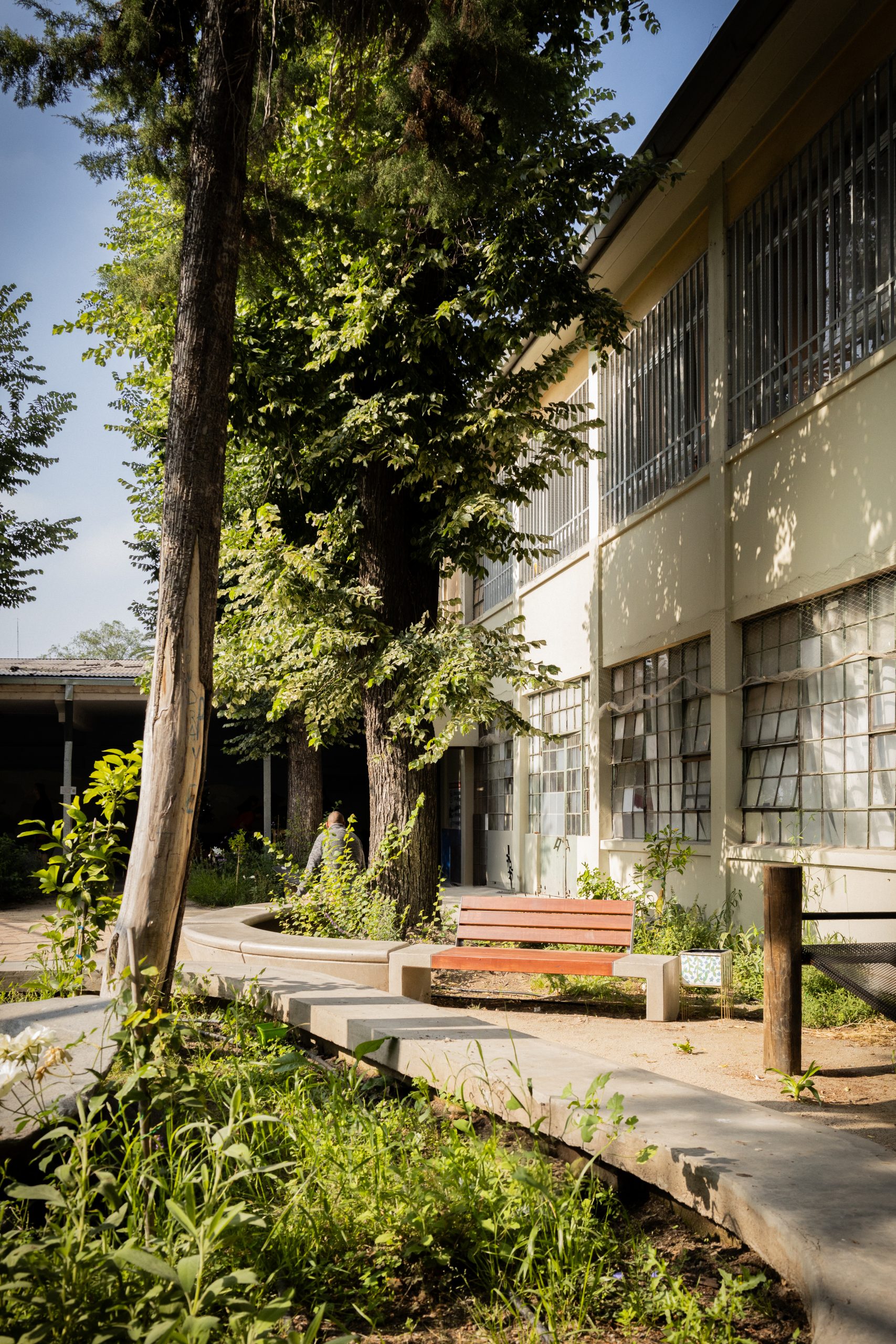
The Dr. José Horwitz Barak Psychiatric Institute, located in the Recoleta district, is a high- and medium-complexity care center belonging to the North Metropolitan Health Service and a national referral center. Their work focuses on the care of acute and chronic psychiatric conditions, both inpatient and outpatient settings, covering different stages of the rehabilitation process.
In this context, the need arose to remodel two outdoor courtyards belonging to short-stay units, with the goal of converting them into therapeutic gardens that respond to the clinical, emotional, and social needs of patients. The space is intended for use by male patients with a psychiatric clinical diagnosis, center staff, and family members. The average stay is 52 days, and each unit has a capacity of 26 users. The professional care team also includes 26 employees.
Participatory diagnosis
The proposal was developed using a collaborative approach, with a participatory assessment that included patients and clinical, technical, and administrative teams. Interviews, exploratory walks, collective mapping, and participatory design workshops were conducted, enabling us to understand both the physical shortcomings of the site and the emotional and symbolic aspirations of those who inhabit and care for it.
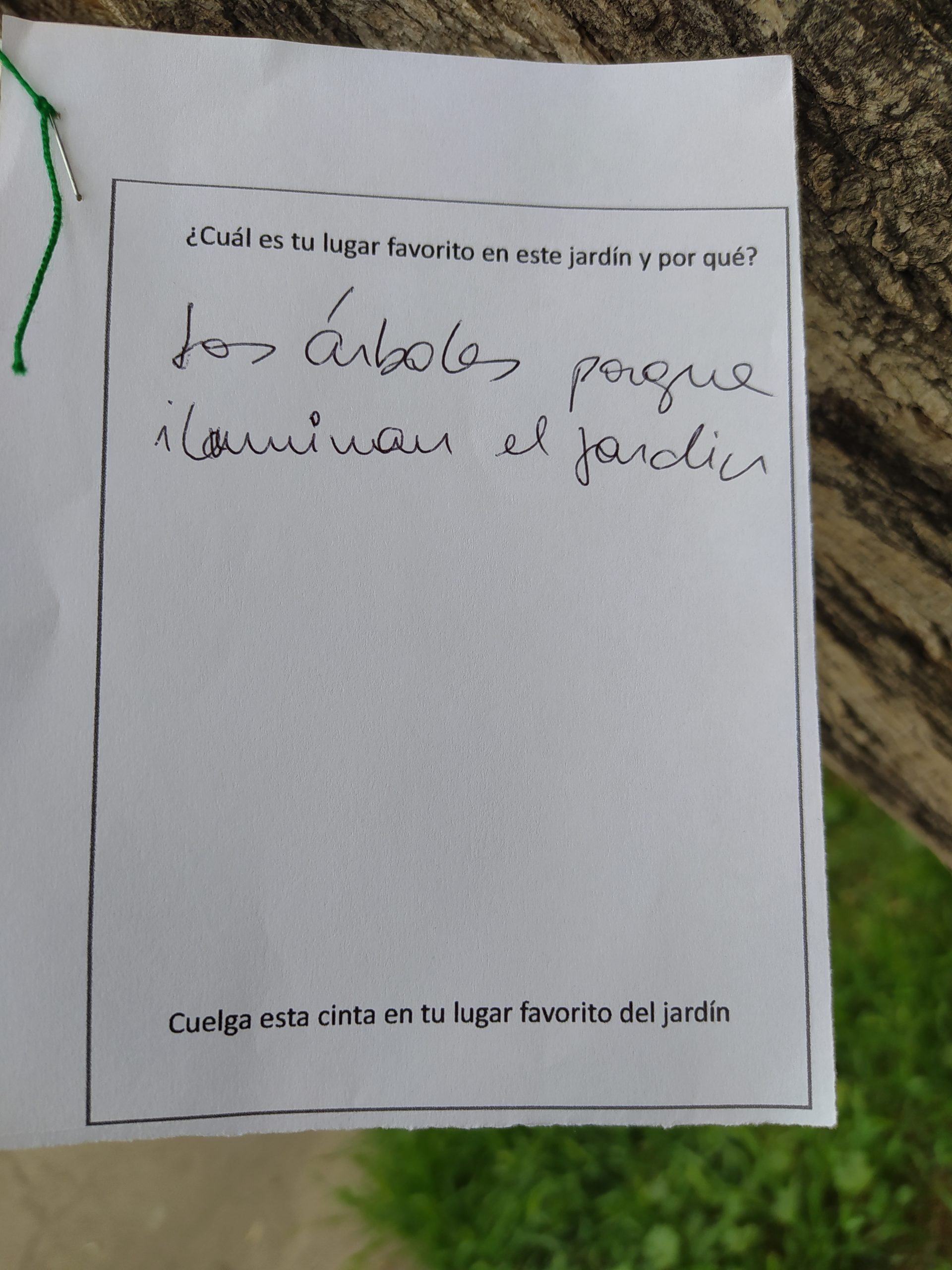
During these sessions, multiple insights were collected that allowed us to understand the role that patios play in our daily well-being. It was identified that outdoor spaces are deeply valued for their ability to offer tranquility, privacy, connection with nature, and a sense of freedom, especially in an institutional context that can generate a feeling of confinement.
Intervention in Sector Seven
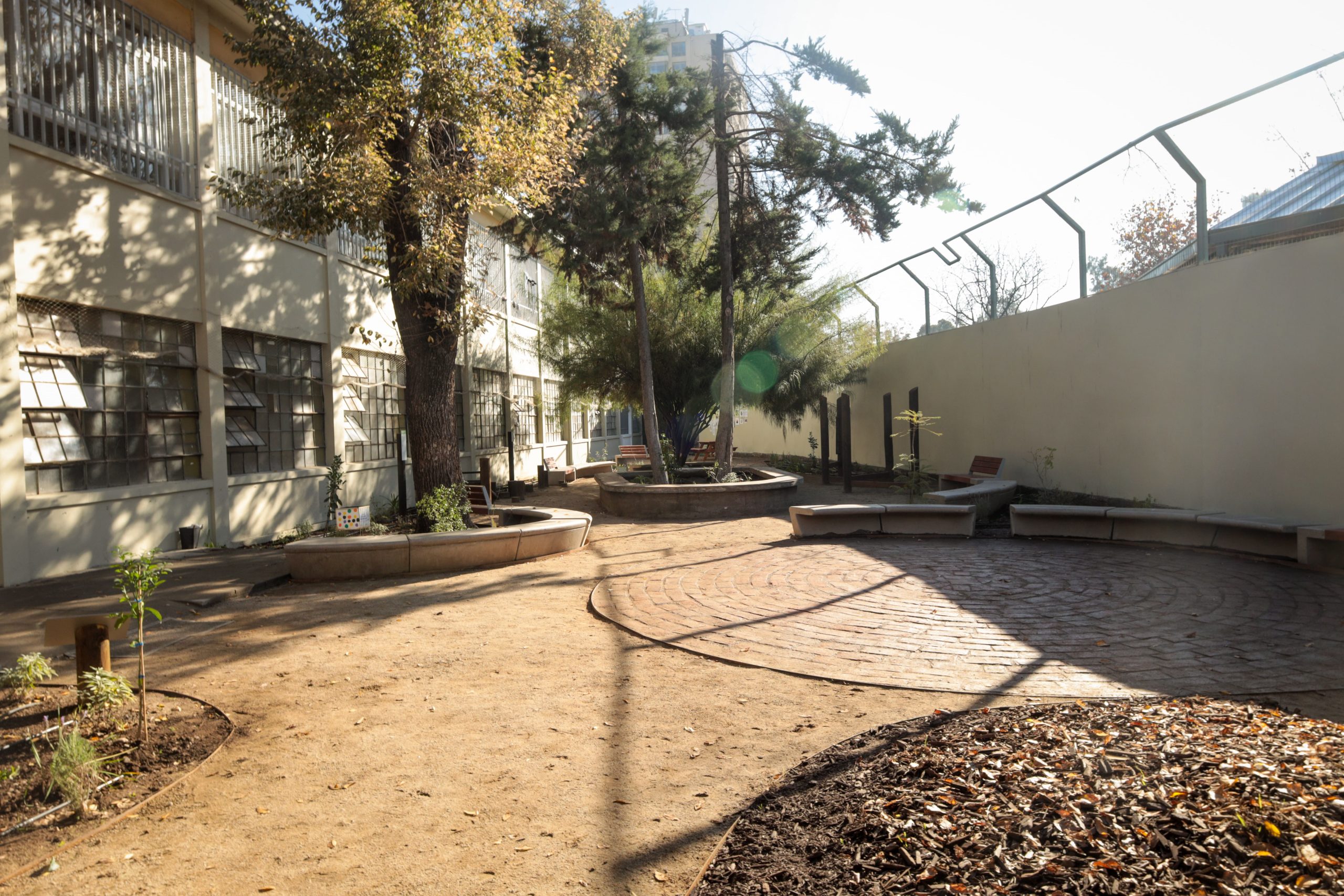
The 500 m² Sector Seven garden was designed based on the principles of community therapy, the hospital’s original ergotherapeutic approach, and the Safewards model, which seeks to improve safety and well-being in psychiatric units.
This garden includes different areas that allow for diverse uses:
- Assembly and group therapy area: an esplanade under ancient elm trees, used for celebrations, clinical sessions, and community gatherings.
- Sports circuit: three exercise stations to promote mobility, physical health, and autonomy.
- Contemplation area: a corner with natural shade and a water fountain, ideal for rest and introspection.
- Occupational therapy area: space connected to the clinical rooms to extend therapeutic activities to the outside.
- Multipurpose covered area: used as a dining area, play area or recreational activities throughout the year.
- In addition, the creation of a collective mural is planned, evoking the symbolic landscape of the surrounding area as part of a process of memory and reparation.
Patio 3: Sowing to Heal
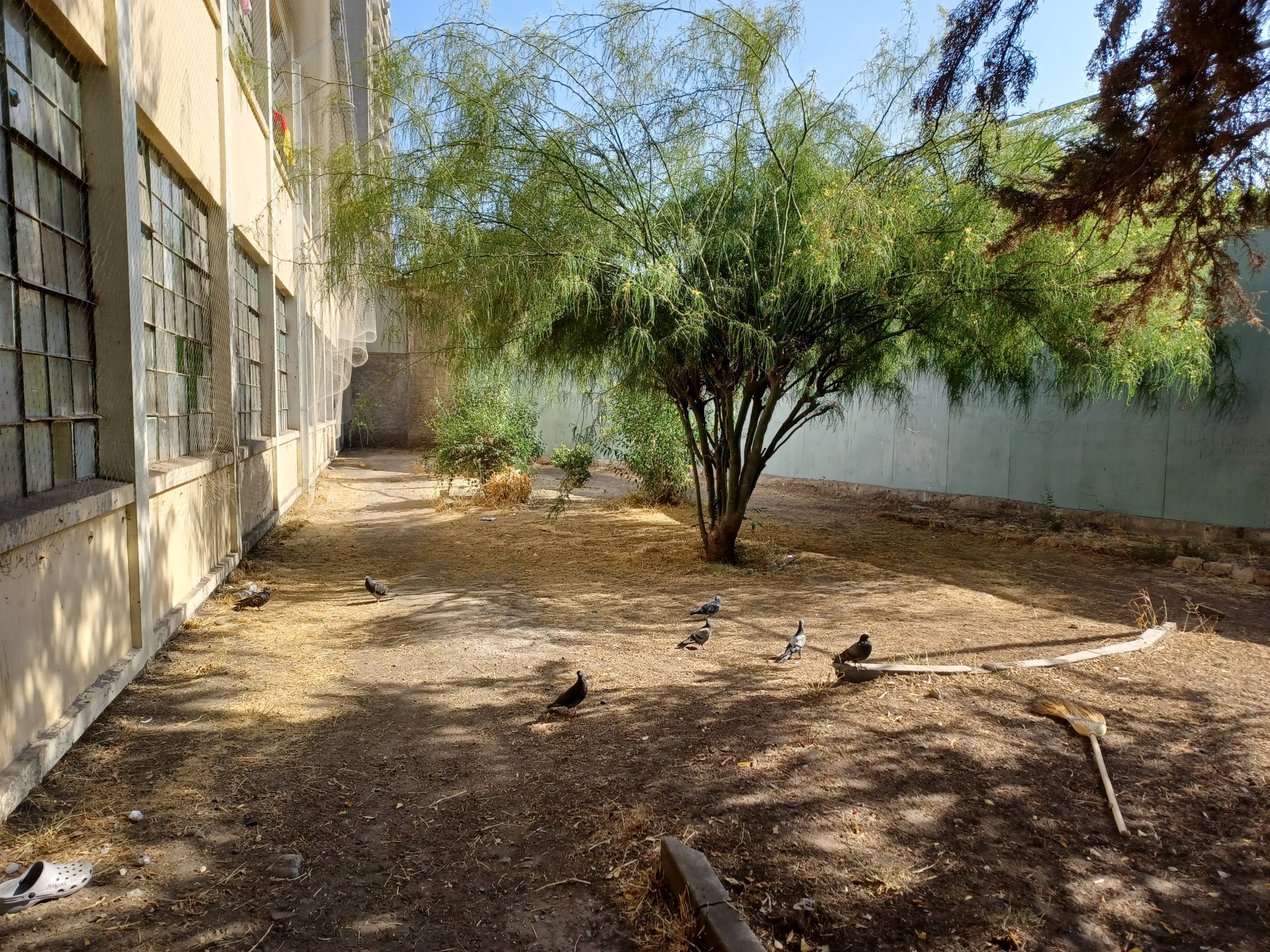
Next to Sector 7, Patio 3 was also developed, another short-stay space that now features an active therapeutic garden. This space allows patients to participate in the cultivation of herbs, vegetables, and flowers, strengthening their connection to the earth and the cycles of life.
At the Dr. José Horwitz Barak Psychiatric Institute, we are transforming courtyards into therapeutic gardens that strengthen mental health, encourage active participation, and humanize the hospital environment. What were once unused spaces are now living spaces, collectively designed for encounter, care, and recovery. And that collaborative work, respect for each person’s individual rhythm, and a connection with nature are key to a more humane, fair, and hopeful model of care.