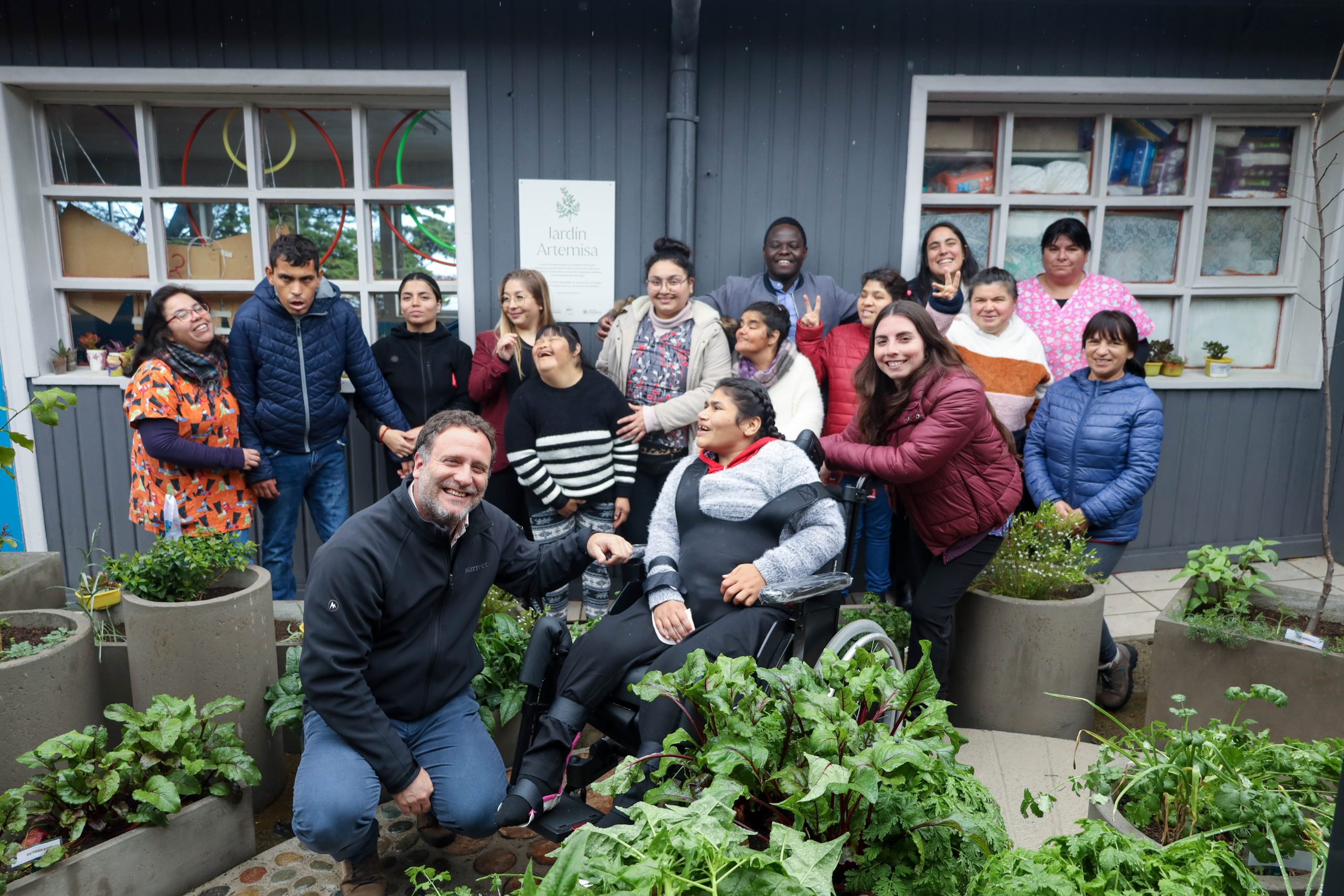
Home of the Little Cottolengo of Quintero
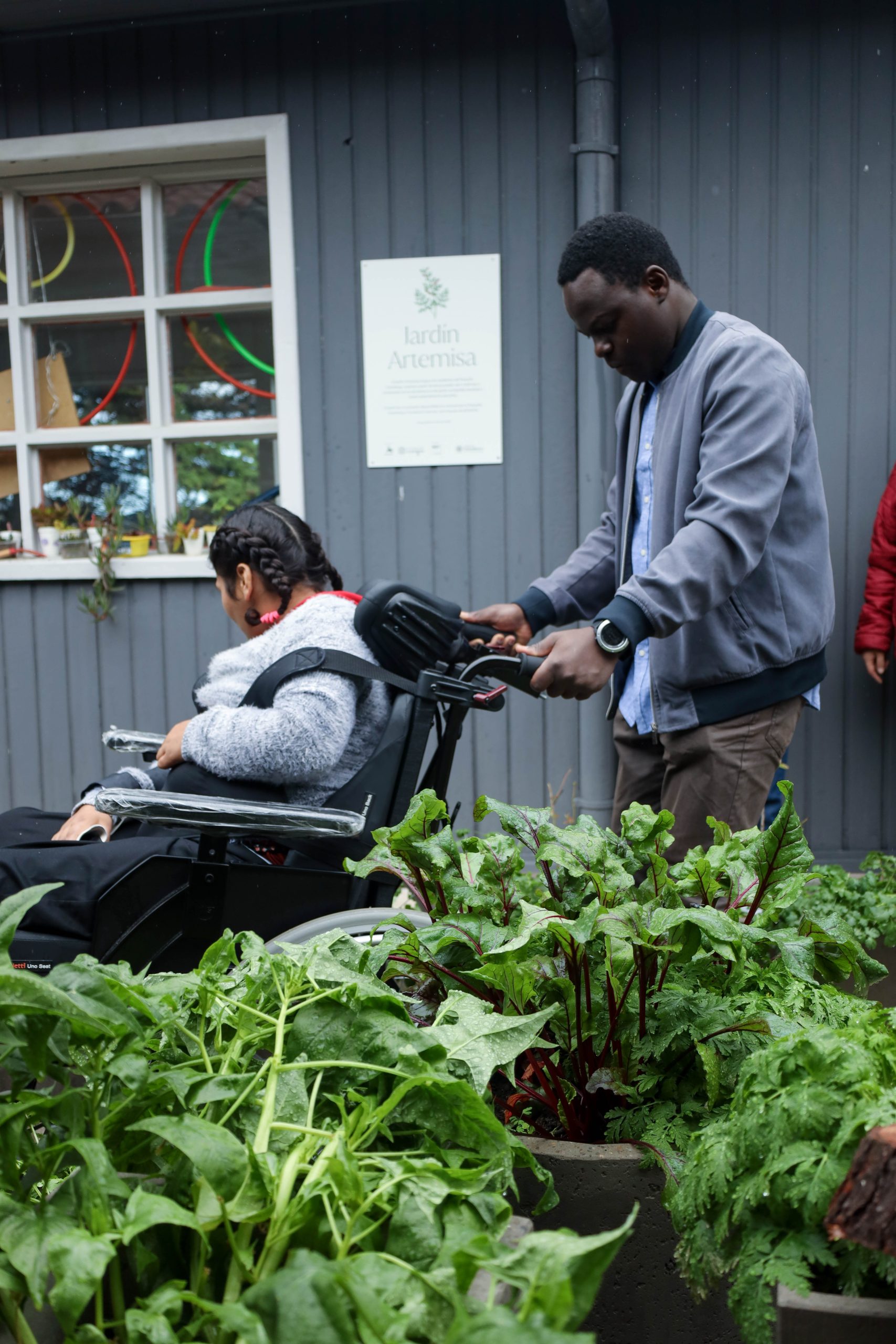
Therapeutic gardens not only provide us with beauty and serenity, but also offer us the opportunity to connect with nature and find the inner peace we need to heal our body and mind.
The Little Cottolengo Home is a non-profit institution dedicated to providing care for people with severe intellectual disabilities, most of whom have been abandoned. Its work focuses on providing rehabilitation, integration, and ongoing care, offering its residents a dignified and welcoming environment in which to live.
The institution has four locations in Santiago, Rancagua, Quintero and Los Angeles, where it provides comprehensive care to more than 600 children, youth, adults and seniors, accompanying them throughout their lives.
At the Quintero facility, which houses 20 residents and has a staff of 15, there is currently a patio for active therapies, equipped with games and artificial turf. However, the need was identified to incorporate a new space focused on relaxation, rest, and nature-based therapies, such as horticulture, thus complementing the facility’s therapeutic offerings.
Design of a therapeutic garden
Based on this need, the Cosmos Foundation, together with staff, residents, and their families, designed a new therapeutic garden to enhance the natural spaces of the facility and complement existing therapies. The goal is to create an environment that promotes relaxation, rest, and the overall well-being of those who live there.
The project comprises two main areas. On one side, a space for rest and relaxation, incorporating benches, a wooden deck, and a water feature, surrounded by vegetation that encourages contemplation and tranquility. On the other, a sensory area consisting of a path lined with edible plants, allowing for horticultural therapies and the exploration of different soil textures, inviting a barefoot experience that stimulates the senses of touch, taste, and smell.
This project was carried out thanks to funding from the National Disability Service (SENADIS), allowing the creation of a therapeutic space that integrates nature, health and care into the daily lives of its residents.

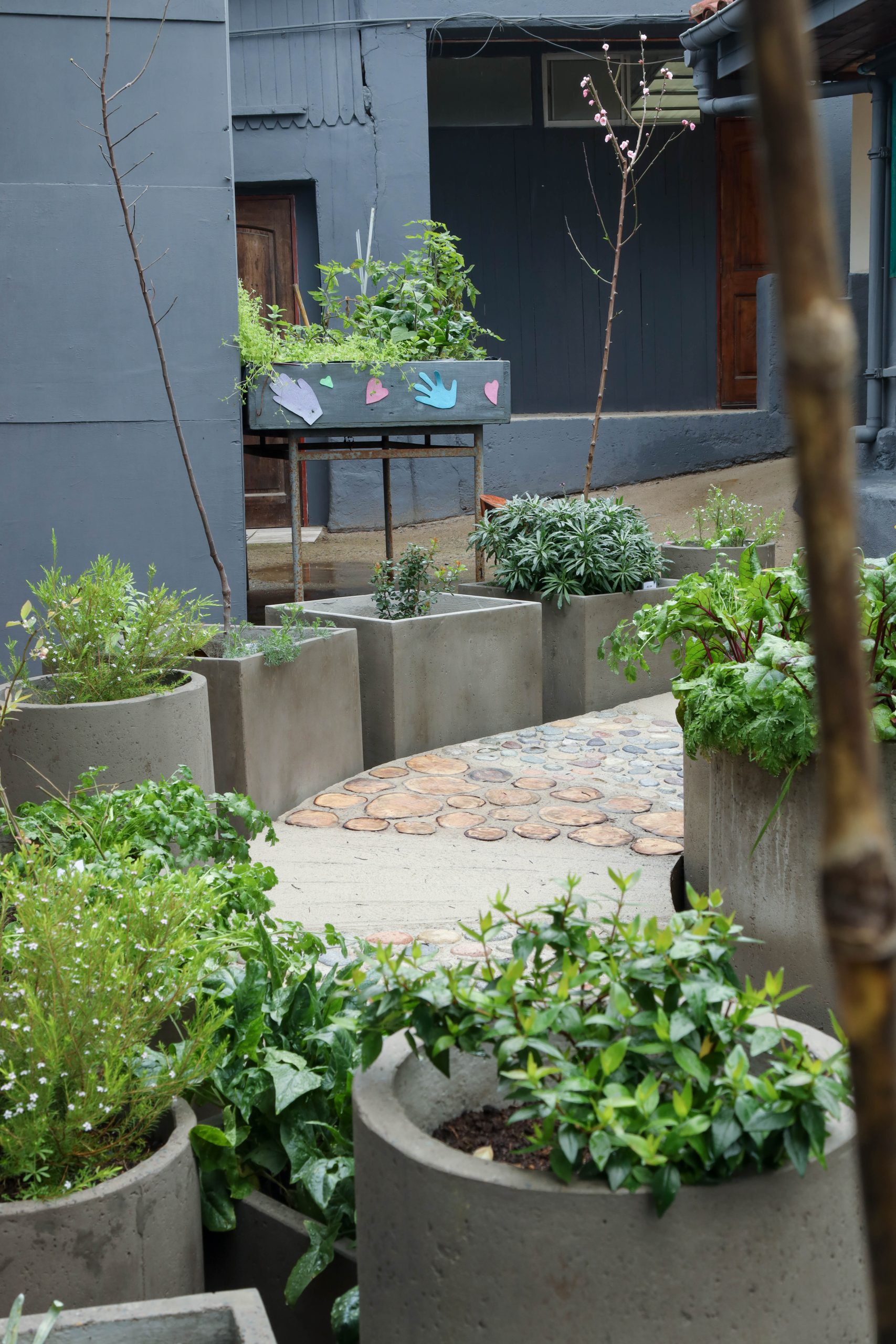
This new space consists of two areas: a rest and relaxation area, featuring benches, a wooden deck, and a water fountain surrounded by vegetation; and a sensory area, comprised of a path surrounded by edible plants, allowing for horticultural therapy, and different floor textures, allowing the user to enjoy the experience barefoot, intensifying the senses of touch, taste, and smell.
This project was carried out thanks to funding from the National Disability Service (SENADIS).