
Cruces River Wetland

“A land imagined from the depths, carved by glaciers. A paradise gifted by green forests to elegant birds, where fish sprout, where reeds flow.”
The province of Valdivia is marked by the passage of many rivers, which, along their paths, form ecosystems of great biological and social value, such as wetlands. One of these is the Río Cruces Wetland.
This ecosystem, spanning more than 6,000 hectares, was formed after the banks of the Cruces River collapsed during the 1960 earthquake, the most powerful earthquake on record on the planet. Over the years, this new wetland became populated with aquatic flora and fauna, becoming a biodiversity hotspot.
In 1981, more than 4,500 hectares of the wetland were declared a Nature Sanctuary by the State of Chile and a RAMSAR site by the Convention on Wetlands of International Importance.
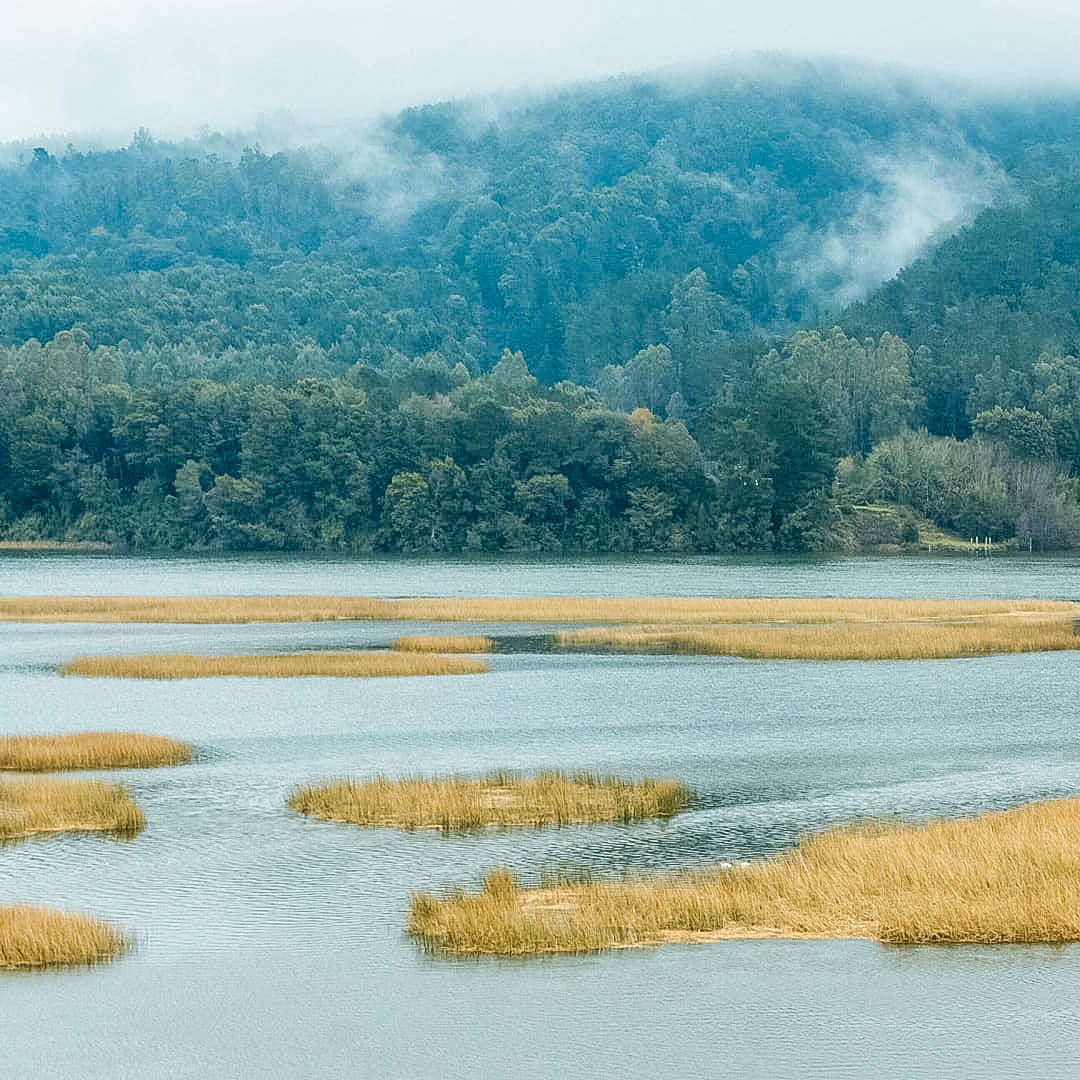
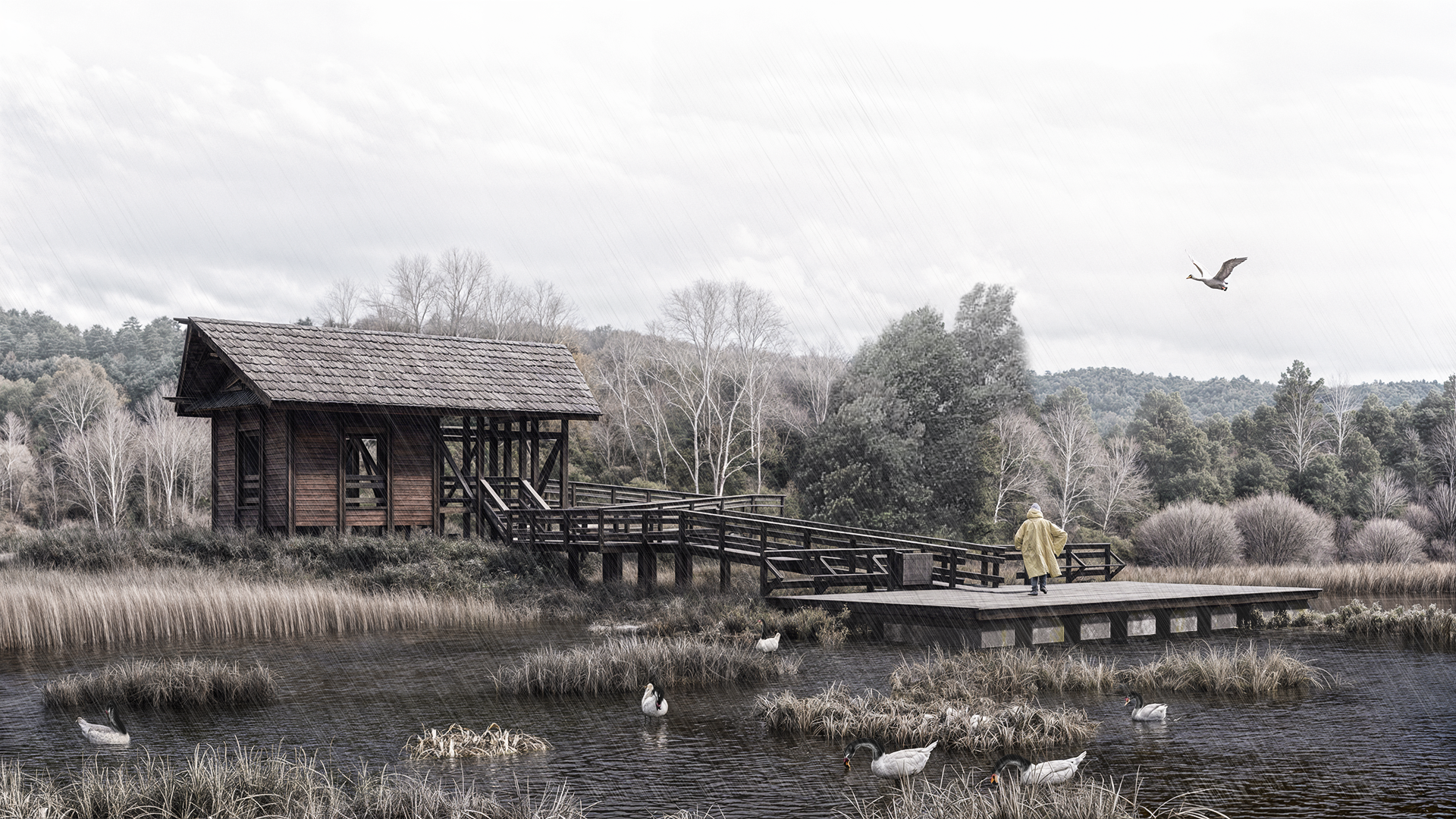
Until May 2004, the Cruces River wetland had become the largest and most important nesting site for black-necked swans in the world, until one of Chile’s most significant ecological disasters occurred.
Following a lawsuit filed by the State Defense Council, the investigation of which lasted nearly ten years, the First Civil Court of Valdivia convicted Celulosa Arauco y Constitución SA for serious environmental damage in the Cruces River wetland. The contamination of the water with waste from the pulp mill’s RILES caused the death and emigration of most wild birds. Among those affected were the iconic black-necked swans, reducing the population from 8,000 to fewer than 400 in just a few months.
But disaster turned into opportunity.
After nine years of work, the court found the Arauco company guilty and ordered it to adopt six restorative measures, including the development of a Community Development Program for the wetland. From then on, the riparian communities of the Río Cruces Wetland coordinated to form the Wetland Community Association (Agrupación Comunidad Wetland), with the goal of working together for the socio-environmental conservation of the wetland they share.
Among other objectives, the communities proposed developing a wetland connectivity plan to address the historical connectivity problem they have had among themselves and with major urban centers.
Based on the Cosmos Foundation’s experience in developing infrastructure for nature-based conservation, we were invited to be part of this project, which seeks ecosystem conservation, socioeconomic development, and integration among wetland communities.
“Our individual and societal actions impact the natural systems that sustain us, just as natural systems define us culturally, and the changes that occur within them impact our way of life.”
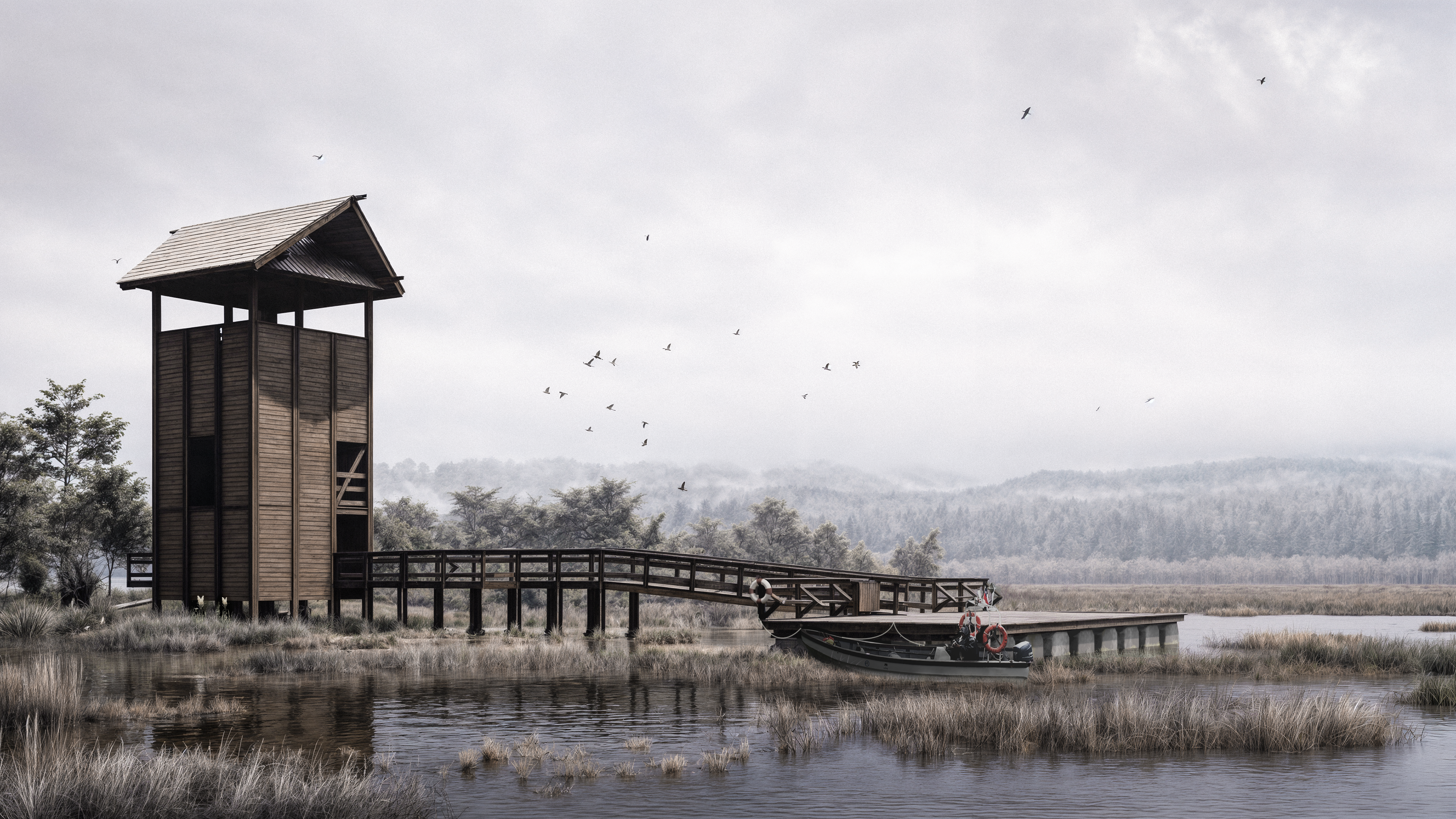
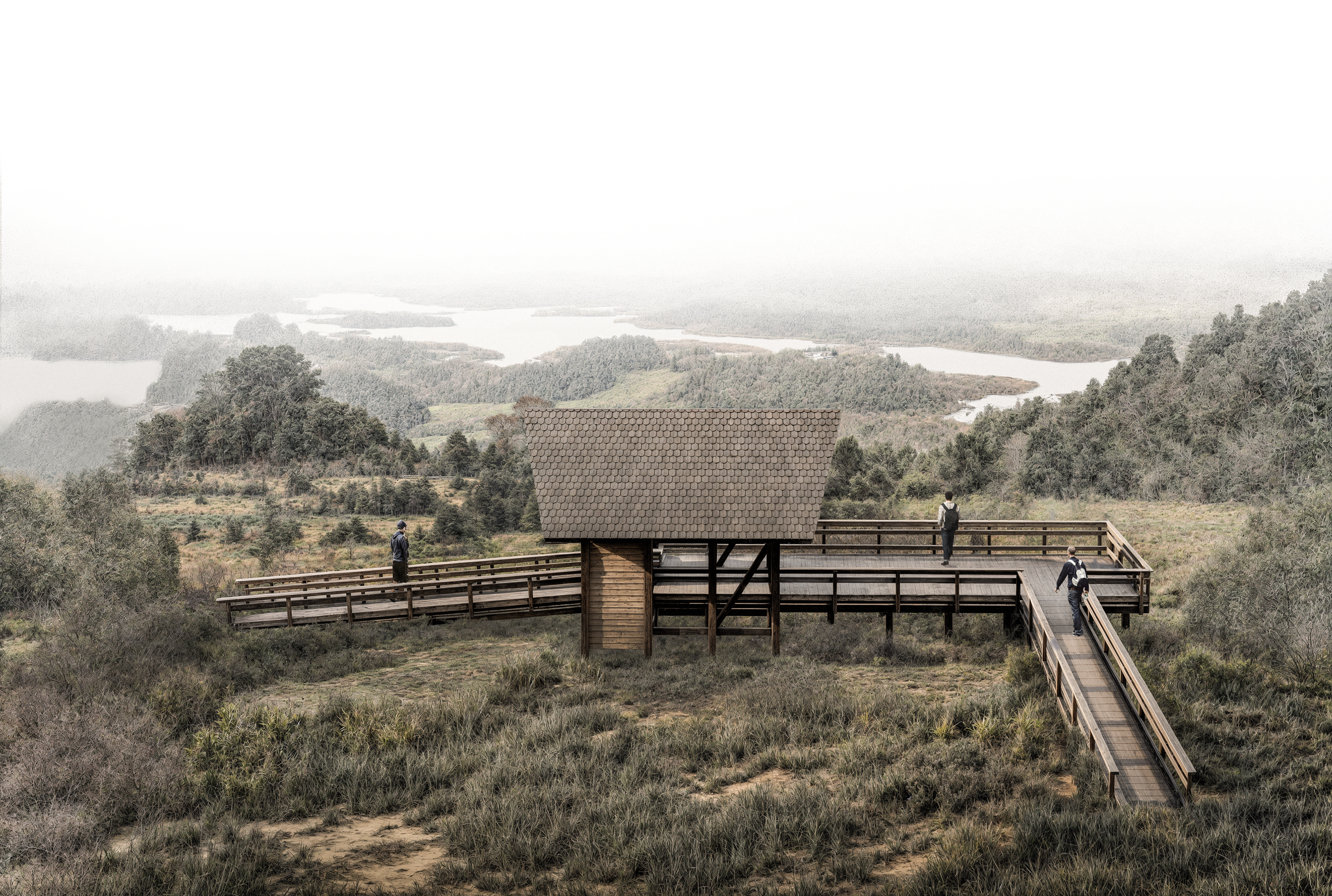
Wetlands are fragile ecosystems that require adequate infrastructure to allow local residents and visitors to enjoy the beauty of the landscape, learn about its environmental importance, and the diversity of existing flora and fauna, while also safeguarding its biodiversity.
Through a participatory design process that reflected the sociocultural traditions of its inhabitants, the construction of birdwatching towers, piers, trails with viewing platforms, and signage was proposed, adaptable to the geographic and programmatic conditions of their future location and the infrastructure master plan.
More than buildings and paths, we propose an experience that allows visitors to visit a park designed under principles of sustainability, innovation, and biomimicry, designing structures that connect with their surroundings; utilize local construction techniques and materials; and reduce carbon emissions and energy consumption during construction and operation.