
Almost completely surrounded by the city of Greater Concepción, the Paicaví, Tucapel Bajo and Chimalfe (formerly Vasco de Gama) wetlands survive as a relic of what was once continuous with the Rocuant-Andalién wetland , a large ecosystem formed by an extinct branch of the Biobío River that flowed into the Bay of Concepción, crossing the city.
Although urbanization has led to the loss of up to 40% of this natural space, the wetland system stands out as an ecosystem of high ecological value and for the ecosystem services it provides, including flood mitigation, high productivity and biological diversity, coastal protection from tsunamis, environmental education and recreation, among others.
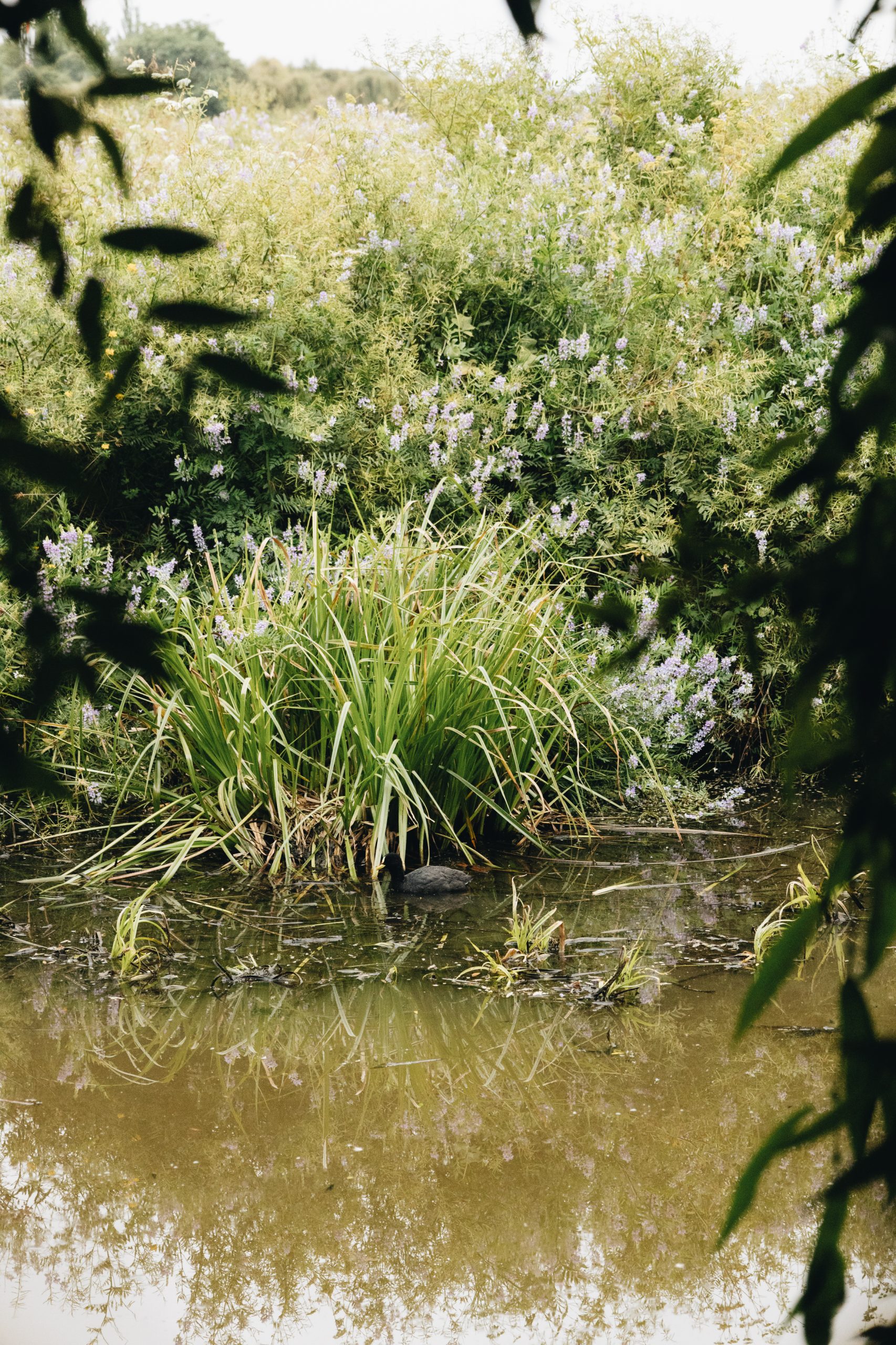
The Chimalfe wetland survives as a valuable remnant of the ancient wetland systems that once covered what is now Greater Concepción, forming part of an interconnected system associated with a former branch of the Biobío River that flowed into Concepción Bay. Surrounded by urban sprawl, its extent and ecological continuity have been reduced, making it a fragmented ecosystem, but one that remains fundamental to the city’s environmental balance.
Despite this pressure, the wetland maintains high socio-environmental and biological value. It harbors a significant diversity of species, with more than 60 recorded bird species , in addition to amphibians, reptiles, and mammals such as the coypu. The presence of native and endemic species such as the seven-colored tanager, the cocoi heron, the barn owl, and the Chilean frog is also noteworthy. Its hydrophytic vegetation—dominated by cattails, rushes, and pampas grass—plays a key role in filtering pollutants and providing habitat for wildlife. This ecosystem also contributes to flood regulation, carbon sequestration, and the ecological connectivity of the Greater Concepción wetland system.
Recognizing its importance, the GEF Coastal Wetlands Conservation project, running from 2020 to 2025, has promoted actions to improve the ecological condition of these wetlands and foster sustainable land management. Within this framework, and building upon the experience of Fundación Cosmos, a collaborative effort has been established with the Municipality of Hualpén to develop sections of the wetland as a natural park open to the community, promoting environmental education, social cohesion, and the conservation of this ecosystem.
Participatory design for conservation and social cohesion
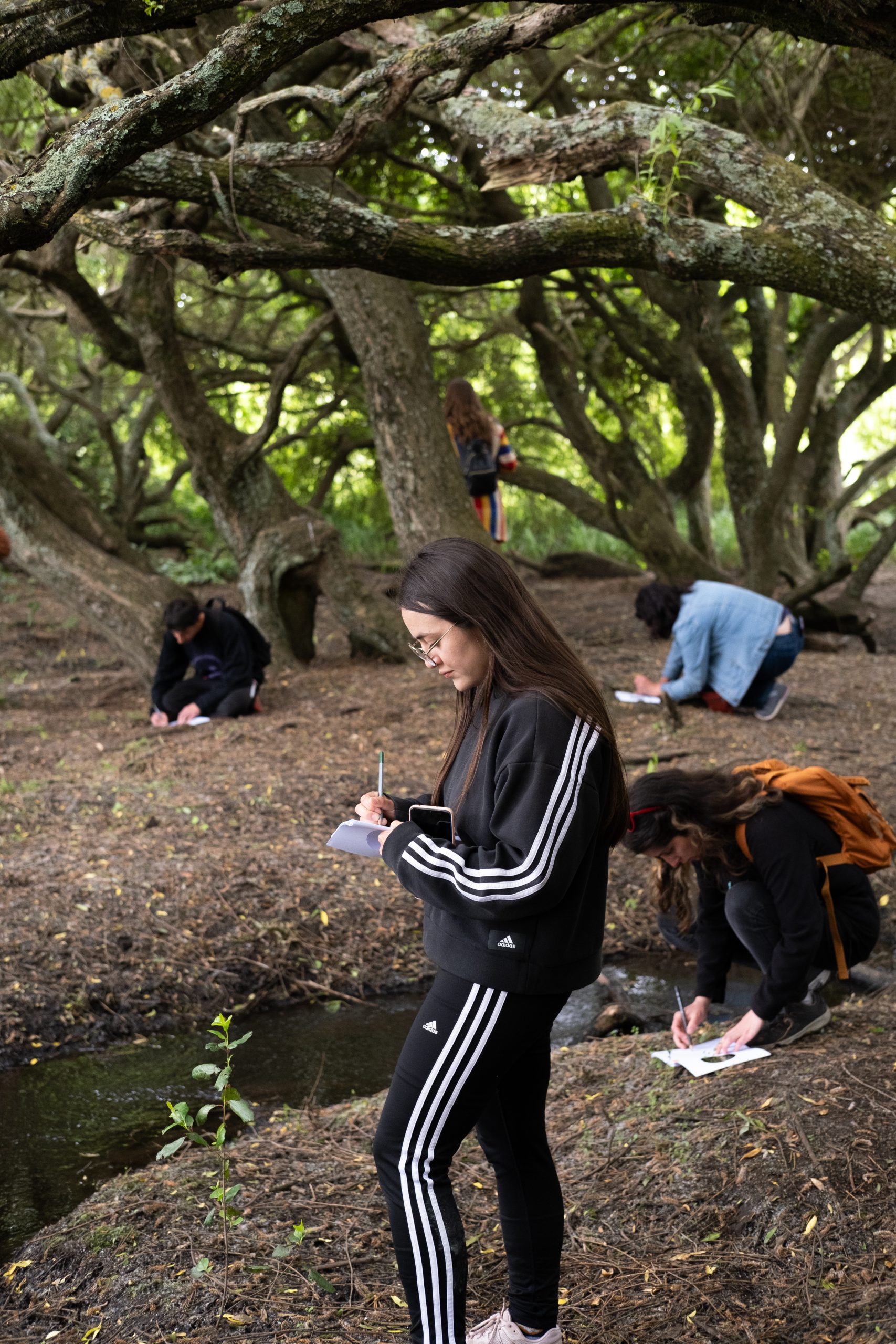
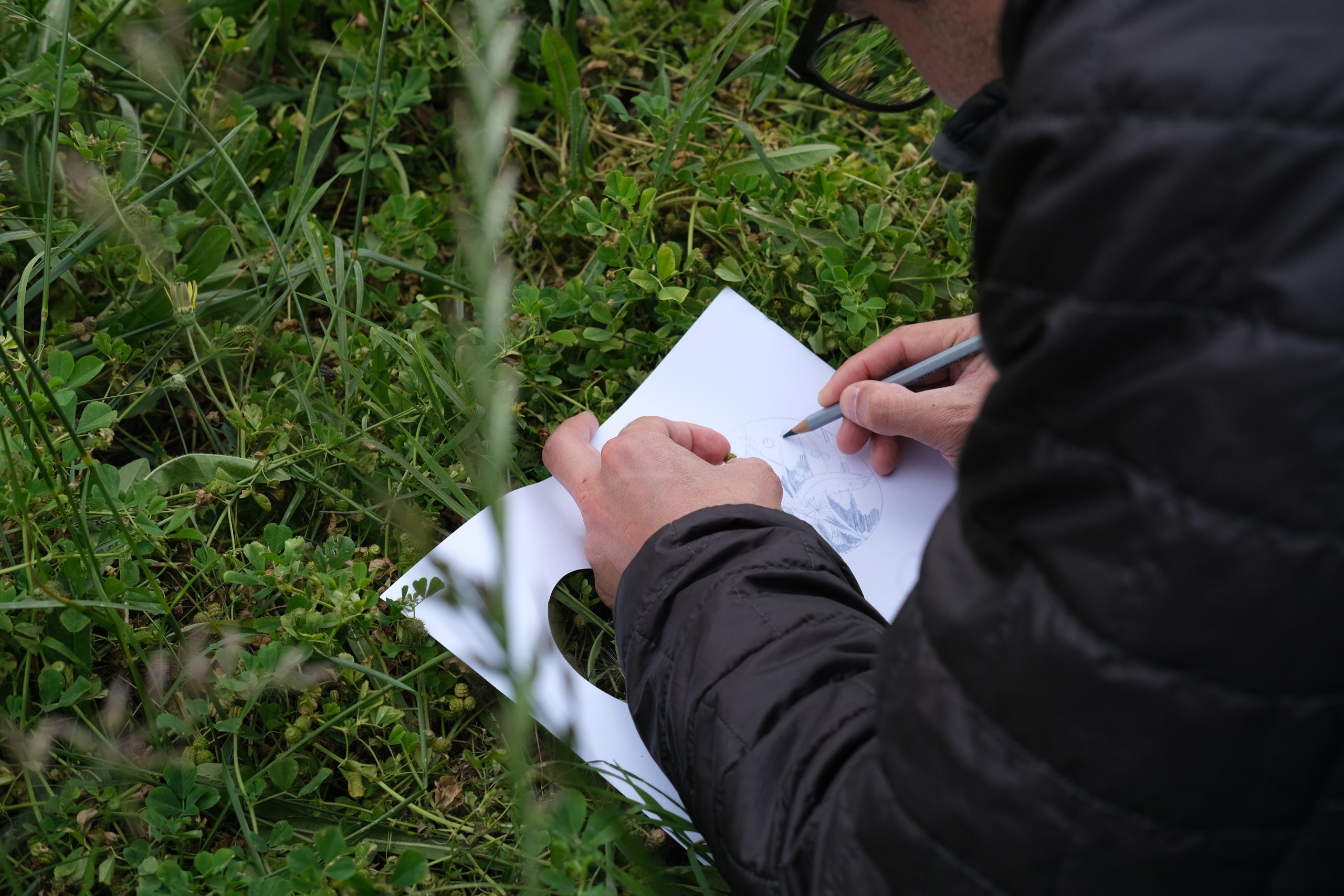
Following the Cosmos Foundation’s methodology for infrastructure development in natural areas, a social and territorial assessment of the wetland was conducted. This assessment allowed for an understanding of the local context and the identification of its key stakeholders. Based on this assessment, a participatory design process was implemented to gather the perceptions, needs, and aspirations of the communities connected to the area.
Through a series of workshops led by the consulting firm URBANCOST , community organizations, authorities, and residents of the Concepción and Hualpén districts collaboratively developed a vision for the wetland. This process laid the groundwork for the development of a sustainable architecture project focused on strengthening community ties and conserving the ecosystem.
Chimalfe Wetland Park Design
The communities surrounding the Chimalfe wetland expressed the need for infrastructure that guarantees safe and universal access , while simultaneously strengthening environmental education and the connection to the land . In this context, priority was given to incorporating walkways, viewpoints, and signage that function as learning spaces in direct contact with nature.
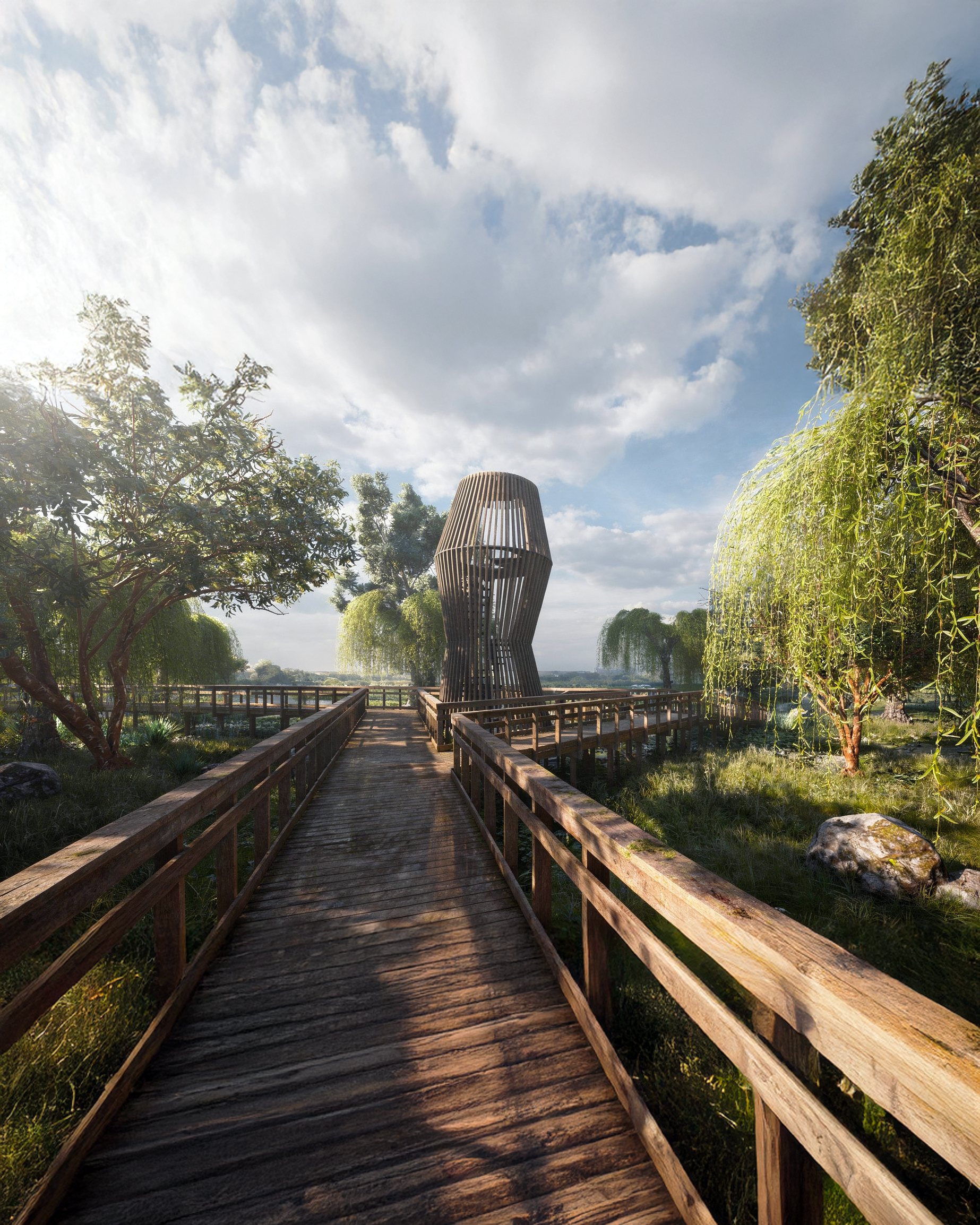
In response to these needs, Fundación Cosmos’ proposal includes a controlled-access portal, a plaza with vegetation, illuminated pathways, and elevated, accessible walkways, accompanied by interpretive signage about flora, fauna, and fungi. These pathways connect to a shaded area that functions as a living classroom or amphitheater for talks and community activities. Its design is inspired by the wings of the dragonfly—” Chimalfe ” in Mapudungun—integrating local identity, education, and experience in a single space.
Biomimicry:
Biomimetic architecture is a contemporary philosophy that seeks sustainable solutions in nature, not merely by replicating its forms, but rather through understanding the rules that govern them.
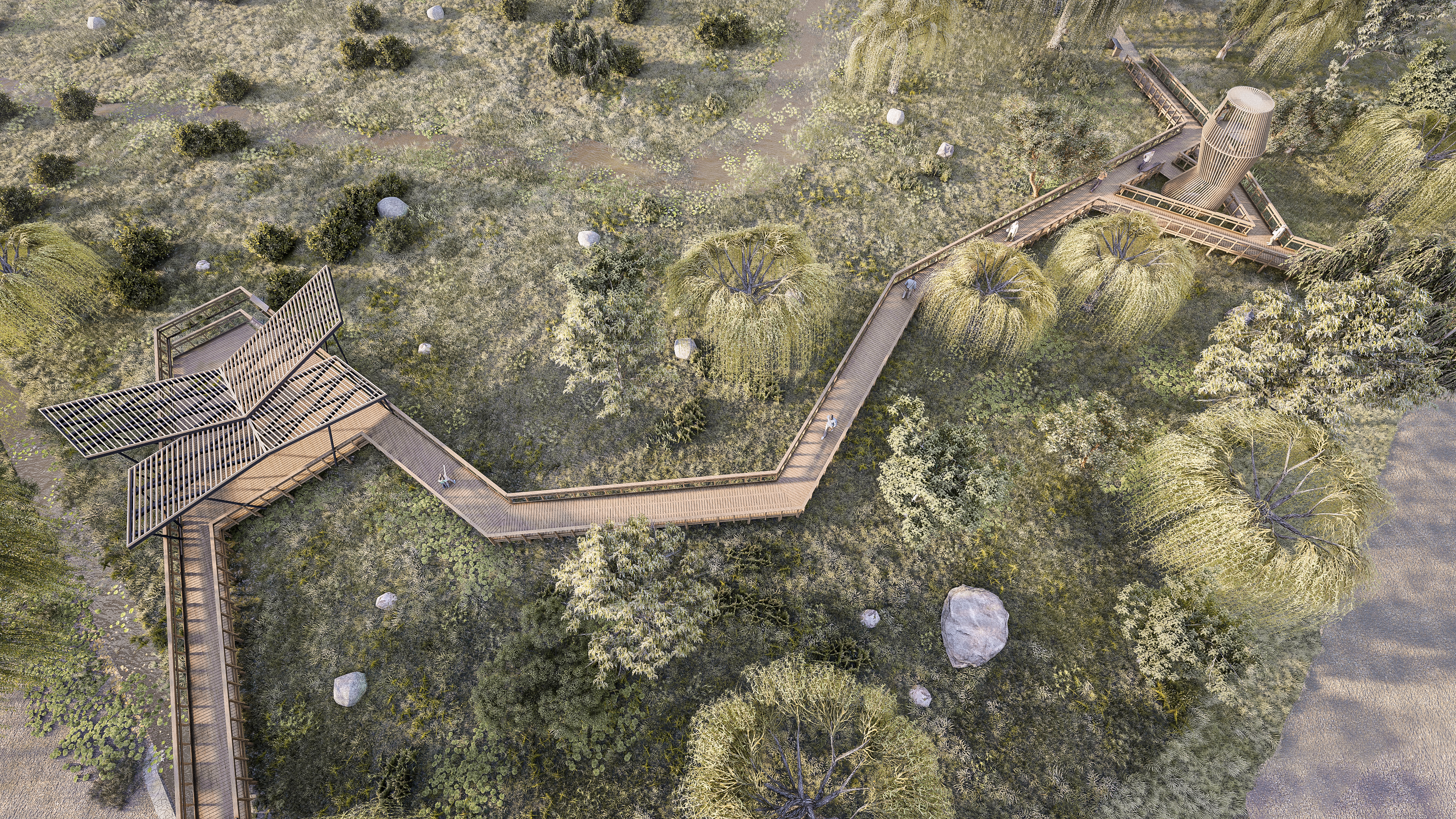
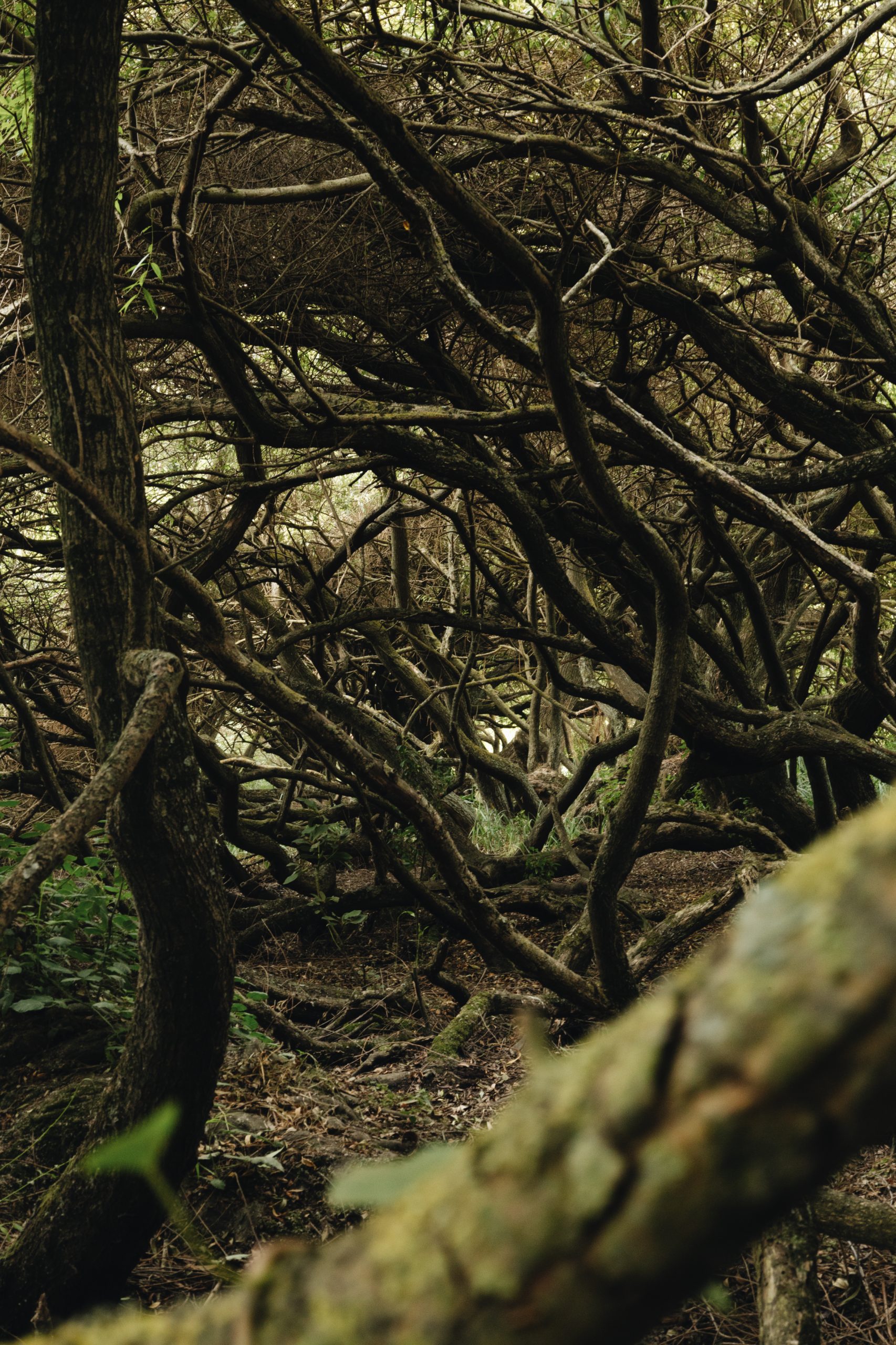
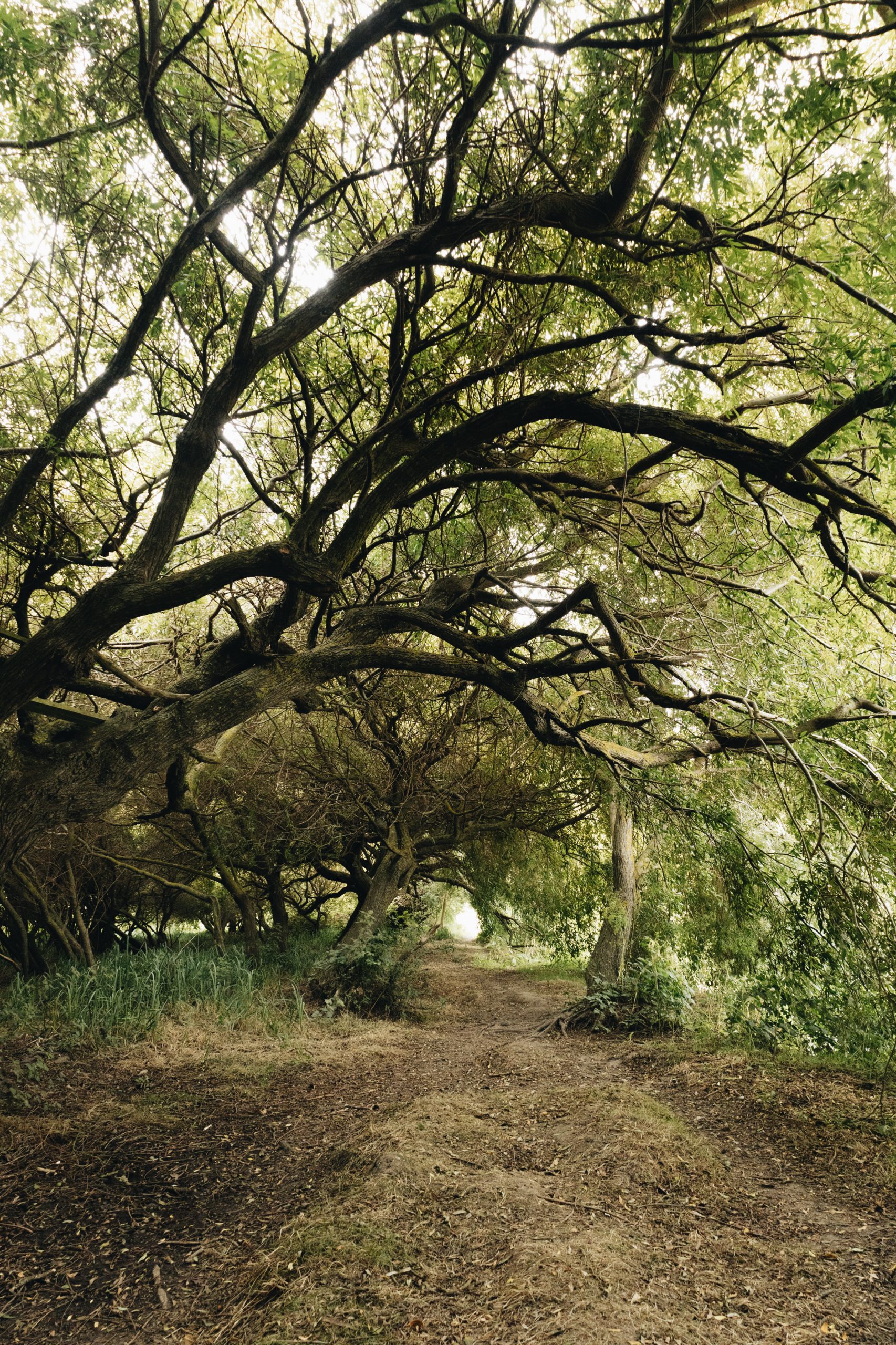
After the amphitheater, the tour continues along walkways to the viewing platform, shaped like a dragonfly’s abdomen and offering panoramic views of the ecosystem. At this point, you can access the “magic forest,” a landmark of the area. Despite being privately owned, it is visited by locals for environmental education and nature-connection activities.
With the proposals already presented to the municipalities of Concepción and Hualpén , the next step is the development of the technical designs and finalize the prioritized application of the two projects to the Urban Improvement and Communal Equipment Program (PMU) to raise public financing that allows its execution.