The Third | The port we deserve
- Publicado el 31.05.2026
- Escrito por Angel Fondon
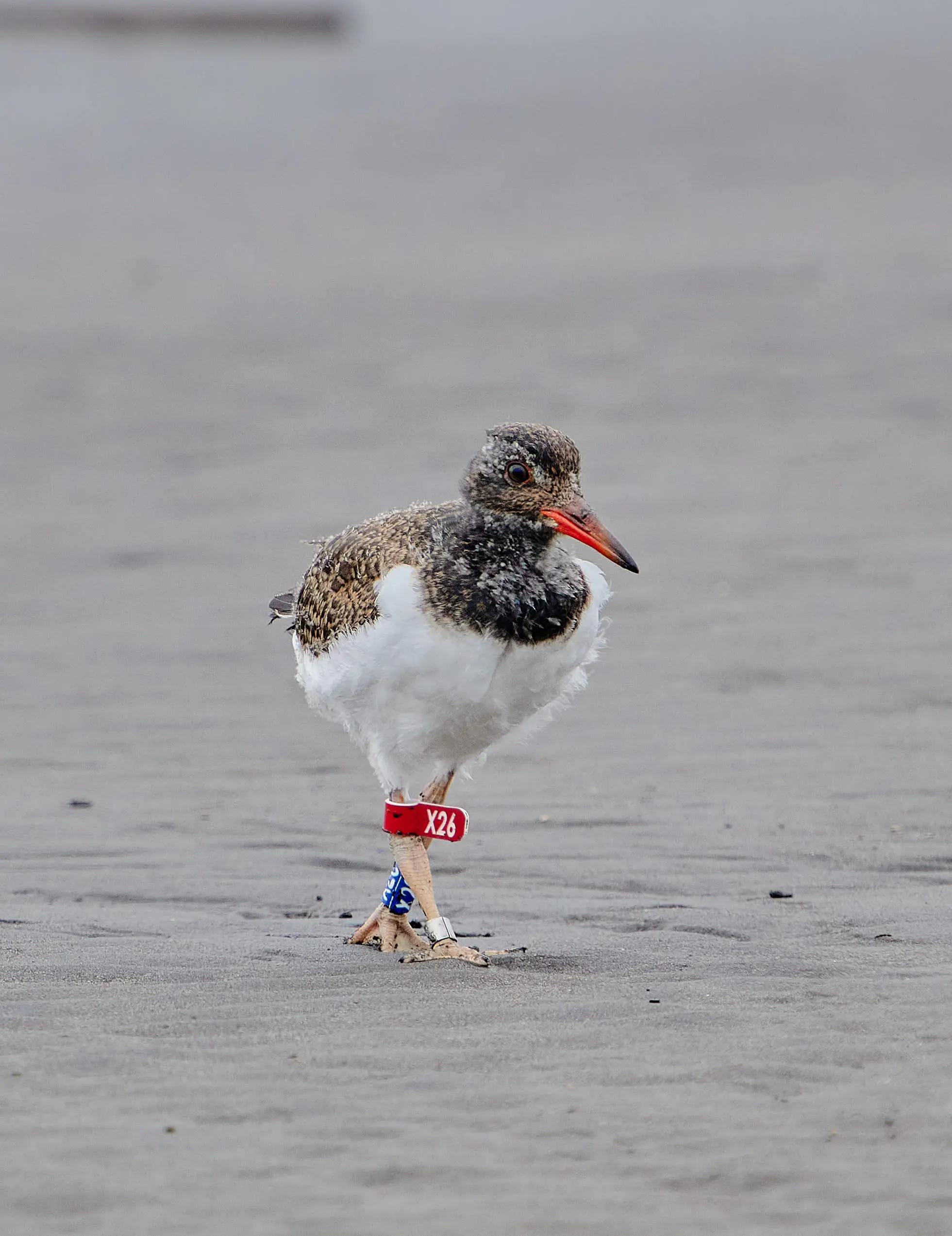
Chile seems trapped in a false dichotomy: choosing between economic dynamism and the protection of its natural heritage. The recent approval of the expansion of the Outer Port of San Antonio is the latest symptom of this tension. For Chile to grow, increase its employment figures, and integrate into a global economy, progress must incorporate sustainability as a cornerstone. Therefore, what is surprising in the specific case of the Port of San Antonio is not its expansion, but the environmental shortcomings of the project that has just been approved. The data is there for all to see. The Consolidated Environmental Assessment Report (ICE) and the pronouncements of the State institutions themselves expose the weaknesses in the assessment of the approved project. The phenomenon of accretion—the progressive accumulation of sand caused by the new breakwater—will directly impact the coastal dynamics of the Río Maipo Nature Sanctuary (managed by the Cosmos Foundation), but the project proponent has declared it a non-significant impact because, by 2050, any potential alterations would be the ‘responsibility’ of climate change rather than the project itself. The Municipality of Santo Domingo and various public services raised explicit alerts: the current design threatens to increase the closure events of the river mouth, altering a vital ecosystem for native and migratory birds; threats that were not considered in any of the Addenda and also not in the ICE.
Chile seems trapped in a false dichotomy: choosing between economic dynamism and the protection of its natural heritage. The recent approval of the expansion of the Outer Port of San Antonio is the latest symptom of this tension. For Chile to grow, increase its employment figures, and integrate into a global economy, progress must incorporate sustainability as a cornerstone. Therefore, what is surprising in the specific case of the Port of San Antonio is not its expansion, but the environmental shortcomings of the project that has just been approved. The data is there for all to see. The Consolidated Environmental Assessment Report (ICE) and the pronouncements of the State institutions themselves expose the weaknesses in the assessment of the approved project. The phenomenon of accretion—the progressive accumulation of sand caused by the new breakwater—will directly impact the coastal dynamics of the Río Maipo Nature Sanctuary (managed by the Cosmos Foundation), but the project proponent has declared it a non-significant impact because, by 2050, any potential alterations would be the ‘responsibility’ of climate change rather than the project itself. The Municipality of Santo Domingo and various public services raised explicit alerts: the current design threatens to increase the closure events of the river mouth, altering a vital ecosystem for native and migratory birds; threats that were not considered in any of the Addenda and also not in the ICE.
The effects have been assessed in isolation, ignoring the evident biological connectivity and interdependence between the Lagunas de Llolleo wetland and the river mouth—a link that the Environmental Court of Santiago ratified earlier this year. The required standard should have been the highest, given the vulnerability of the area. Instead, approval was granted that minimizes the technical warnings. Is this the standard of excellence that our environmental institutions should strive for? In short, the Environmental Impact Assessment process for this project has been lengthy (more than six years, four of which were due to suspensions by the project proponent, and three addenda) and has failed to provide certainty regarding some of the most important concerns about its impact on the Maipo River estuary, and the project has not been significantly improved.
The fundamental question is, why must we resign ourselves to half-baked development? Why can’t we aspire to the standards of developed countries that harmoniously combine port infrastructure with environmental concerns? The Port of Rotterdam, the largest in Europe, operates in close collaboration with nature reserves and rigorous bird monitoring programs through the use of green infrastructure. The Port of Vancouver stands out for its measures to protect local species and reduce noise pollution to safeguard marine mammals. The Port of Cartagena in Spain is the first port in the world to be admitted as a member of the International Union for Conservation of Nature (IUCN) for its contribution to marine biodiversity protection and energy efficiency. In the developed world, nature is not an obstacle to engineering design; it is a central variable in the project and a guarantee of climate resilience for its communities.
The rush to approve the project seemed to ignore the fact that socio-environmental well-being also underpins the long-term value of our economy. Sacrificing technical rigor to expedite investment is an excessive price we shouldn’t have to pay. Chile has the tools and the human capital to generate high-standard projects; what’s lacking is the will to ensure things are done to that standard. We deserve a great port, but we also deserve the wetlands that surround it. Both goals, in the 21st century, are compatible and desirable.