The leader || With speakers and vocalizations, they confirm the presence of the elusive piranha in the Maipo River Wetland
- Publicado el 05.06.2024
- Escrito por Angel Fondon
Fieldwork yielded valuable audiovisual recordings of this particular ‘endangered’ bird.
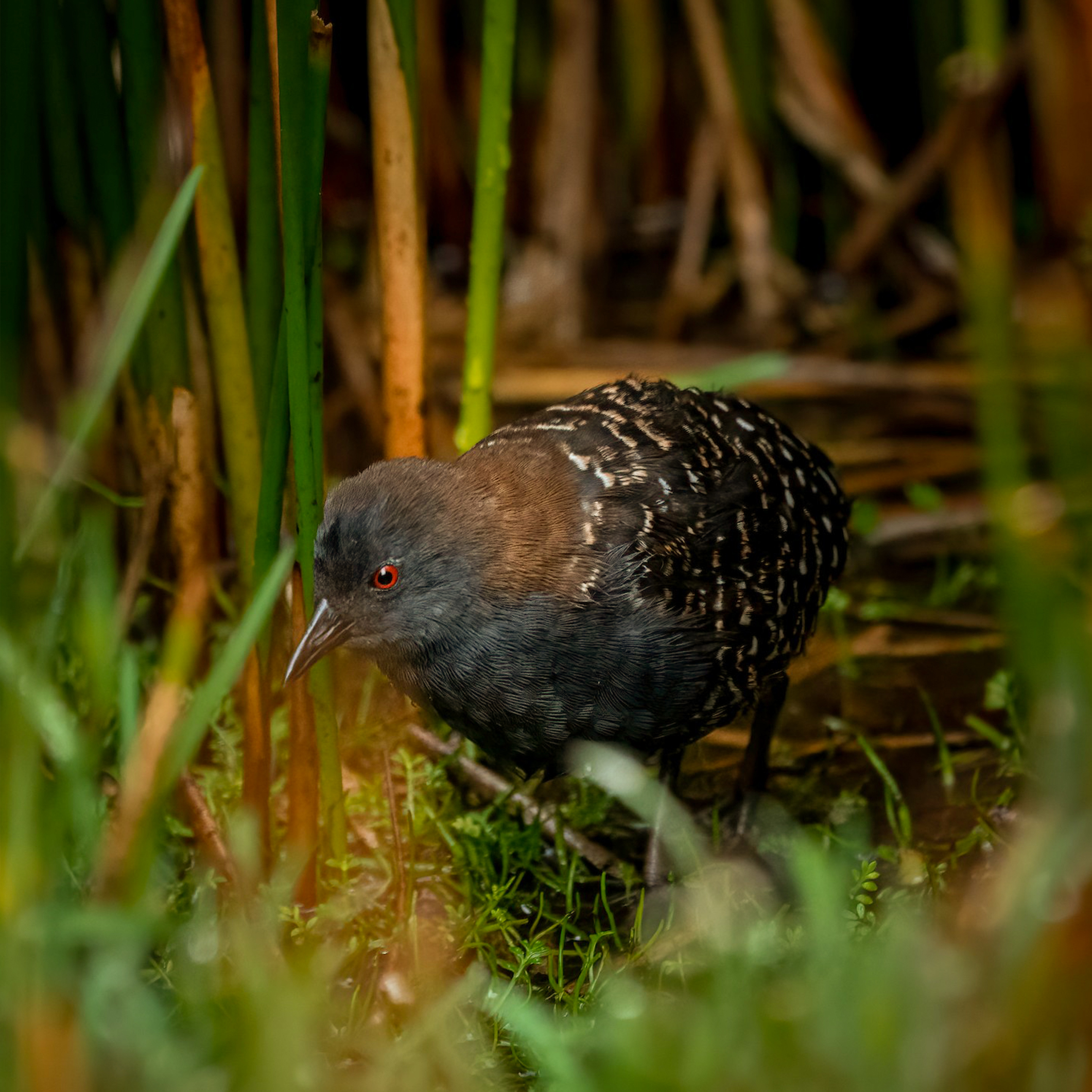
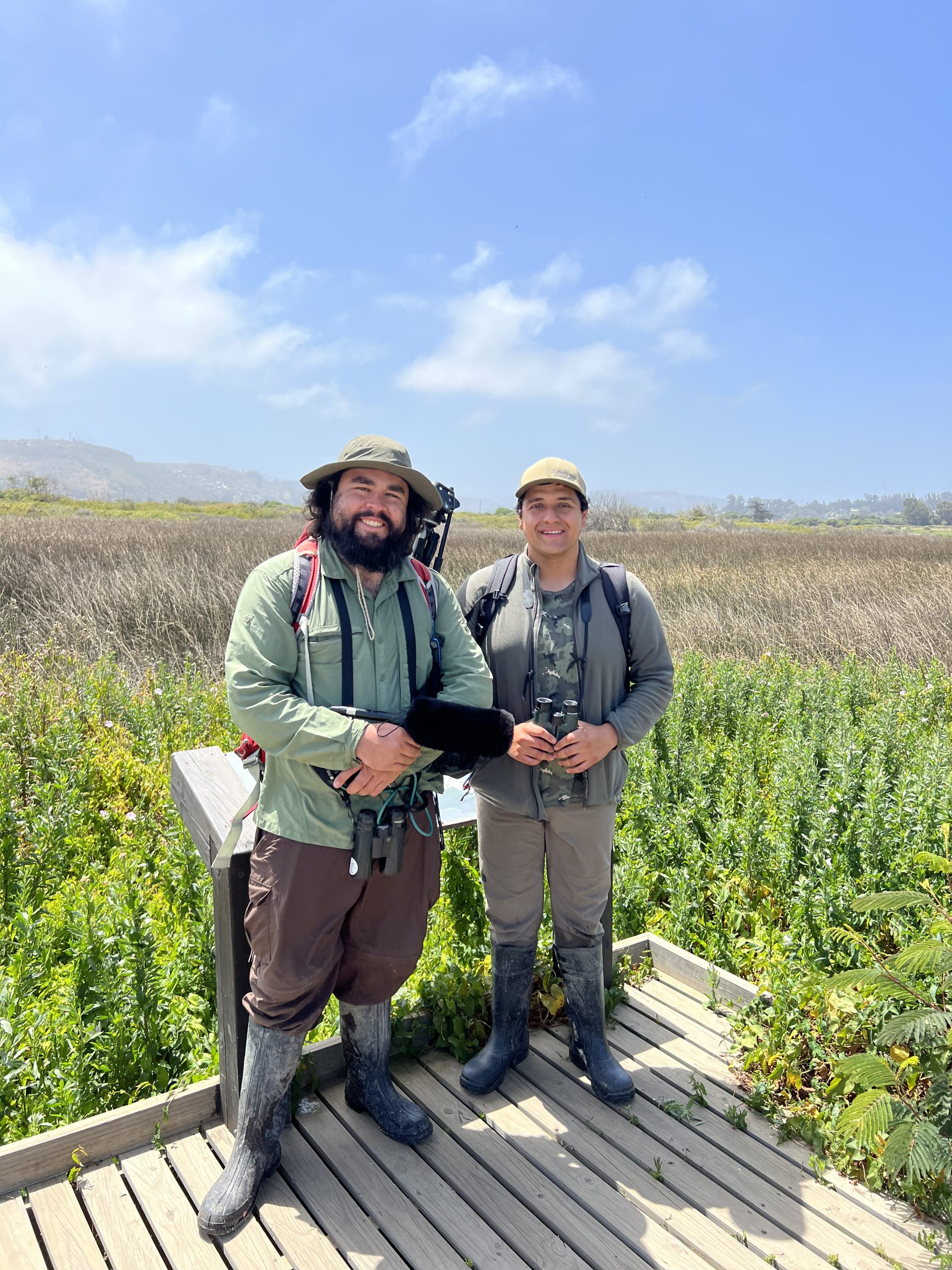
Among the grasslands and stationary lagoons of the Maipo River Wetland Nature Sanctuary and equipped with a small speaker to reproduce the species’ calls, a team of experts and volunteers from the Chilean Bird and Wildlife Observers Network (ROC) and the Cosmos Foundation recorded the presence of the white-fronted lapwing (Laterallus jamaicensis) in the study area over a year and a half of monitoring. This species is classified as ‘endangered’ worldwide and has chosen this protected ecosystem as its home.
The initiative, led by the Cosmos Foundation—the sanctuary’s administrators—and funded by the UK-based Neotropical Birding and Conservation Fund, is in collaboration with the ROC’s “Pidencitos Project.” Its objective is to confirm the presence of this species in this ecosystem, in addition to gathering relevant information such as its spatial and temporal distribution, along with the environmental variables that influence its presence or absence; little-studied biological aspects such as reproduction, diet, predators, and migration; and the threats it faces in the sanctuary and surrounding areas.
Small bird
This is a small bird, measuring 10-15 cm, with plumage that blends into its surroundings and with elusive, crepuscular habits. It is most active at dawn or dusk, making it almost invisible, as it spends the day hidden in dense vegetation, generally near bodies of water such as wetlands, irrigation canals, and wet grasslands. Its difficult detection contributes to its being a little-known species, with little information about its biology, distribution, and threats.
A total of guinea pigs were detected throughout the year and a half of monitoring, reaching a peak of 15 individuals in December 2023. This confirms their abundant presence in this sanctuary, making it a nationally important habitat for the species. The data collected is being analyzed to estimate their population in the study area and compare it with other sites in the country.