The Leader || A massive amount of waste from the Maipo River wetland has been removed.
- Publicado el 13.04.2024
- Escrito por Angel Fondon
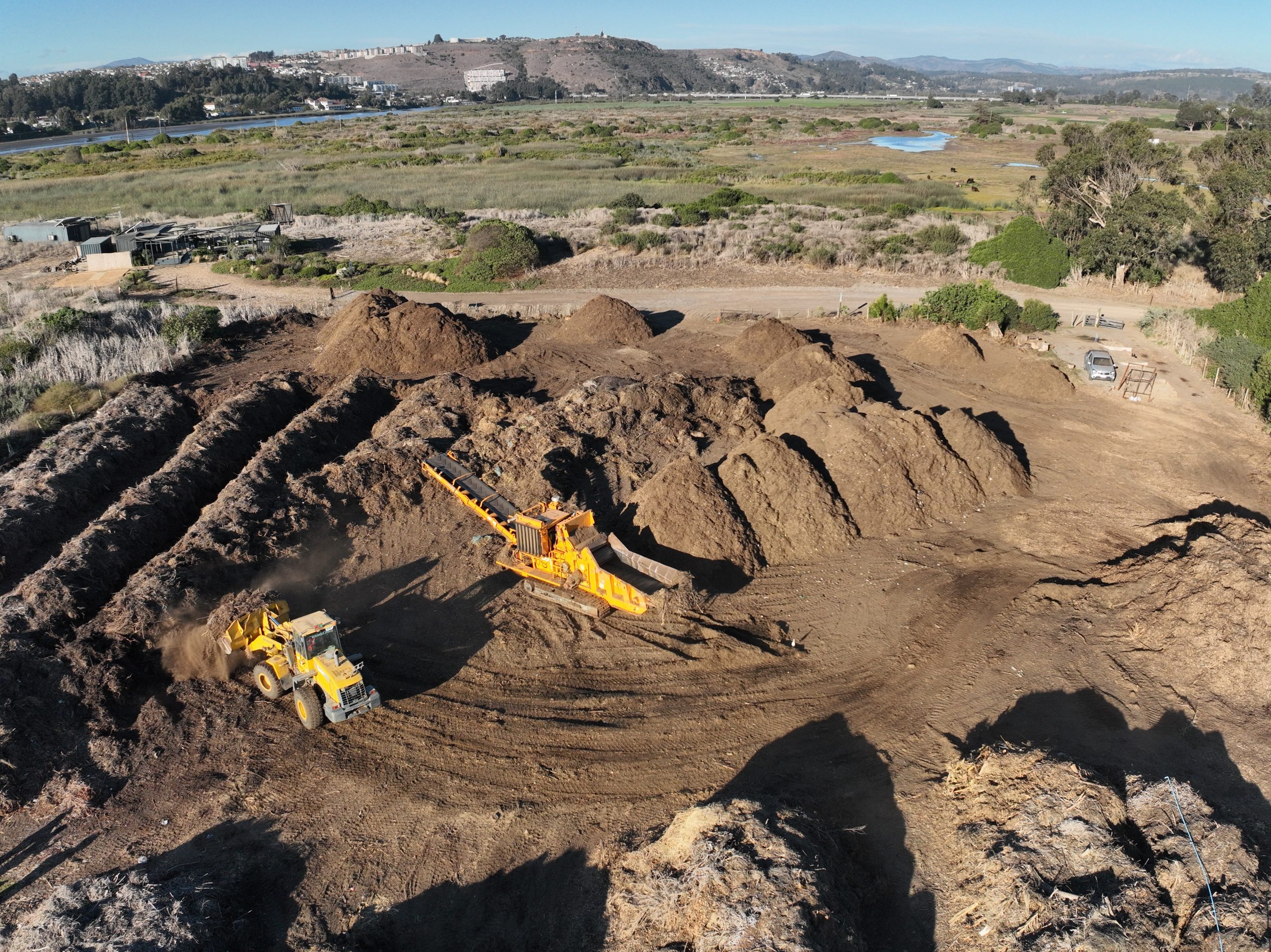
Three hectares were used to leave pruning remains and produce compost and wood chips.
With enough volume to fill three Olympic-sized swimming pools, the removal of 7,853.9 m3 of plant material, piles of chips, pruned branches, and debris began yesterday from the Maipo River Wetland Nature Sanctuary, which for years has generated significant ecological pollution, soil degradation, and invasion by introduced species incompatible with the composition of its natural flora.
The effort led by the Cosmos Foundation, which manages this protected area in coordination with the Municipality of Santo Domingo, initially allowed for the shredding of the largest branches and then the removal of the material into 18 stockpiles in a section of the sanctuary historically used as a branch dump, and in the chipping and composting area at the municipal chipping plant. Of the total volume, 88.5% was branch remains of various sizes, while the remaining 11.5% was chipped wood.
Being organic material with varying degrees of decomposition, the branches can be used as organic mulch to improve soil conditions. Therefore, part of the material will be used for syntropic agriculture and agroecological projects in San Antonio. Another portion will go to the Local Development Program (Prodesal) in Santo Domingo to ensure its reuse.
Deterioration
The Cosmos Foundation explains that the improper use of this three-hectare area has led to environmental deterioration in this protected area, with a loss of biodiversity and the ecosystem services it provides. In the composting and chipping area, highly disturbed soil was observed, along with the presence of plastic and glass waste, while in the branch collection area, the damage was even greater, with layers of brick fill and highly compacted cement. Severe changes in the pH of the disturbed soils were also recorded, as was the presence of invasive species such as the Norway rat (Rattus norvegicus), popularly known as “guarén.”
“Chipping operations are a source of noise pollution for more than 180 species of birds that inhabit the wetland, in addition to other animals that live in this area. Added to this is biological pollution from the dispersal of seeds from introduced species, which compete with native species, reducing the structure and functionality of the Sanctuary as a habitat. They are also a source of soil degradation, thereby reducing the quality of one of the most important ecosystem services provided by the sanctuary,” says Diego Urrejola, executive director of the Cosmos Foundation.
With the removal of mounds of branches and debris and deposits of chipped wood, progress is being made in remediating the land, as part of the Recovery, Restoration, and Socioecological Regeneration Program of the Maipo River Wetland Nature Sanctuary, promoted by the Cosmos Foundation with funding from the Valparaíso Regional Government. This project, which will culminate in late 2024, aims to address the environmental issues and biodiversity loss affecting the wetland, promoting the restoration and recovery of degraded areas to reestablish their ecosystem services.