
Sustainable Daily | Up to $107,000 for communities that want to create private reserves: Conserva Aves opens its first call for proposals in Chile
- Publicado el 04.06.2026
- Escrito por Angel Fondon
The hemispheric initiative, which connects migratory routes from Alaska to Tierra del Fuego, will provide up to $107,000 per project to create, expand, or standardize private reserves. Applications are open until July 10.
Read the article at diariosustentable.com
A continent-wide initiative has just opened its first funding window in Chile. Conserva Aves, a hemispheric effort led by the National Audubon Society and local partners, launched its first public call for proposals to fund the creation, expansion, or standardization of private protected areas aimed at safeguarding critical habitats for threatened resident and migratory birds.
Community-based organizations, trade associations, cooperatives, agricultural communities, Indigenous communities or associations, and non-governmental organizations are eligible to apply. The deadline is July 10, 2026, and applications must be submitted through the Fondo Naturaleza Chile digital platform. An informational webinar with details about the call for proposals will be held on June 16.
The available amounts vary depending on the type of project: up to $107,000 for the creation of new reserves, $60,000 for expansions, and $50,000 for homologation processes to the new National System of Protected Areas (SNAP), created under Law 21,600. Projects can have an execution period of up to 36 months and include technical support for the design of management plans and financial sustainability.
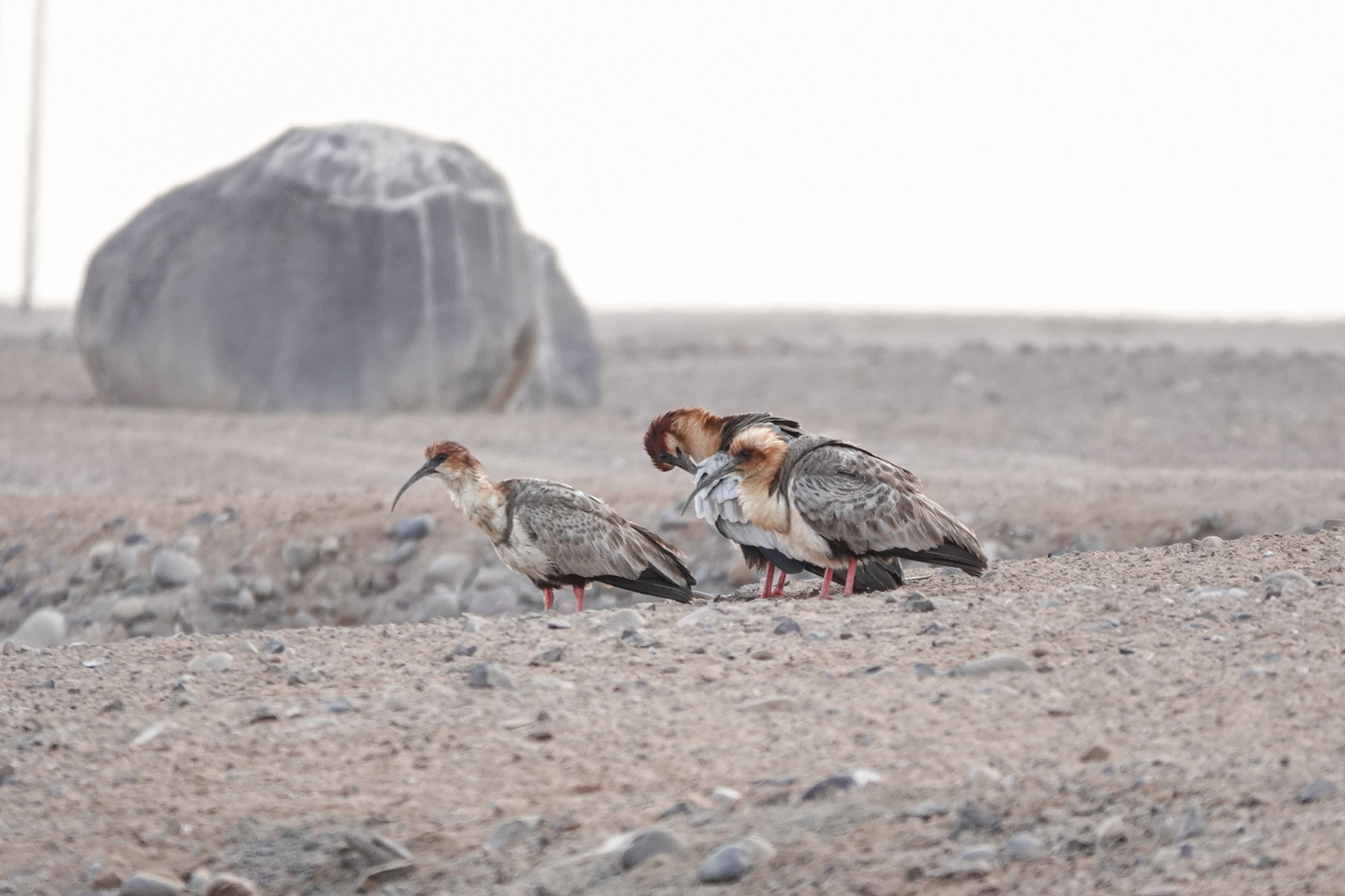
From Alaska to Tierra del Fuego
The arrival of Conserva Aves in Chile is not an isolated event. The initiative is part of a continental strategy that seeks to close protection gaps along the migratory routes that cross the American hemisphere from north to south, prioritizing sites where declining migratory birds coincide with endemic and threatened resident species.
“Birds know no borders,” said Javiera Ferreyra, director of the National Audubon Society in Chile, an organization with over 120 years of experience in conservation. The analysis of priority sites was developed by Audubon in collaboration with the Chilean Network of Bird and Wildlife Observers (ROC), combining hemispheric science with local territorial knowledge.
“This call for proposals represents a historic opportunity to mobilize direct resources to local communities, enabling effective and long-term conservation of our most critical ecosystems for bird life,” highlighted Eugenio Rengifo, Executive Director of Fondo Naturaleza Chile.
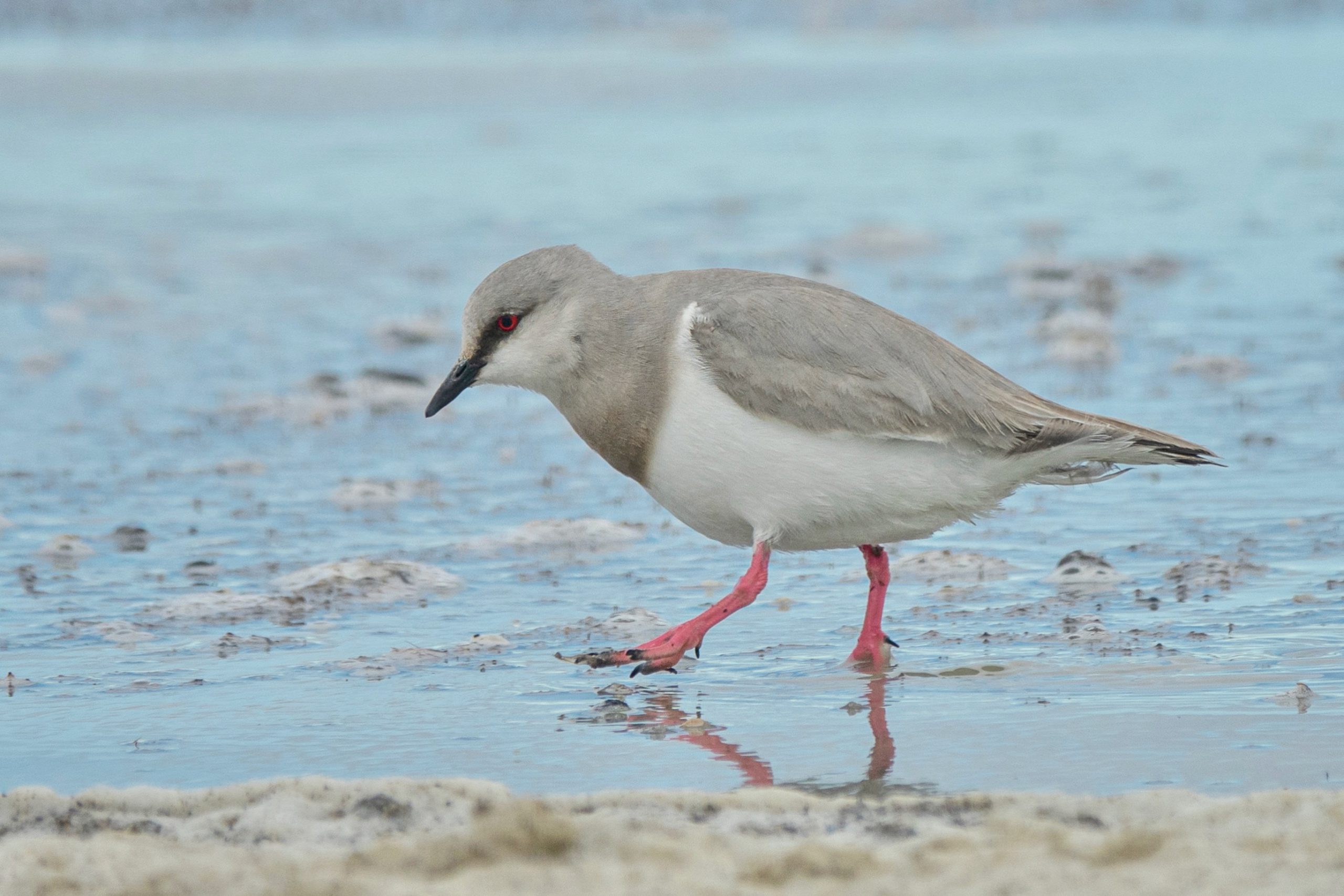

Local communities as the cornerstone of conservation
A distinguishing feature of this call for proposals is its emphasis on community organizations, rural communities, and Indigenous communities as key players in the process. The initiative not only funds conservation infrastructure but also includes training and direct advisory services in land management.
“Making tools and knowledge available to communities is key to promoting effective and lasting conservation, based on active participation and the appreciation of territories,” said Ivo Tejeda, Executive Director of ROC.
Diego Urrejola, Executive Director of Fundación Cosmos, a technical partner of the initiative, added that the support aims to ensure that protected areas “conserve priority ecosystems while also becoming an opportunity for local development.”
Interested organizations can review the guidelines and create an account on the application platform at fondonaturaleza.vform.io.