
From chick to fledgling: First flight of Pilpilén born in the Maipo River Wetland Sanctuary recorded
- Publicado el 18.04.2023
- Escrito por Angel Fondon
The milestone at the Sanctuary occurred within the framework of the Shorebird Conservation Program promoted by the Cosmos Foundation with the Municipality of Santo Domingo, following five years of work to increase their reproductive success.
For the first time in five years, the flight of an individual of the common Pilpilén (Haematopus palliatus) born in the perimeter of the Humedal Río Maipo Nature Sanctuary was recorded, a milestone that crowns the work led by the Cosmos Foundation together with the Municipality of Santo Domingo and various organizations that have collaborated with the Shorebird Conservation Program in the wetland, such as Manomet Inc.
Hatching Pilpilén eggs is no easy task. Of the approximately 70 eggs laid annually by the pilpilén at the mouth of the Maipo River—including both banks—less than 5% manage to hatch. And of those that do hatch, an even smaller percentage make the transition from “chick” to “fledgling,” that is, when they are sufficiently developed to take their first flight.
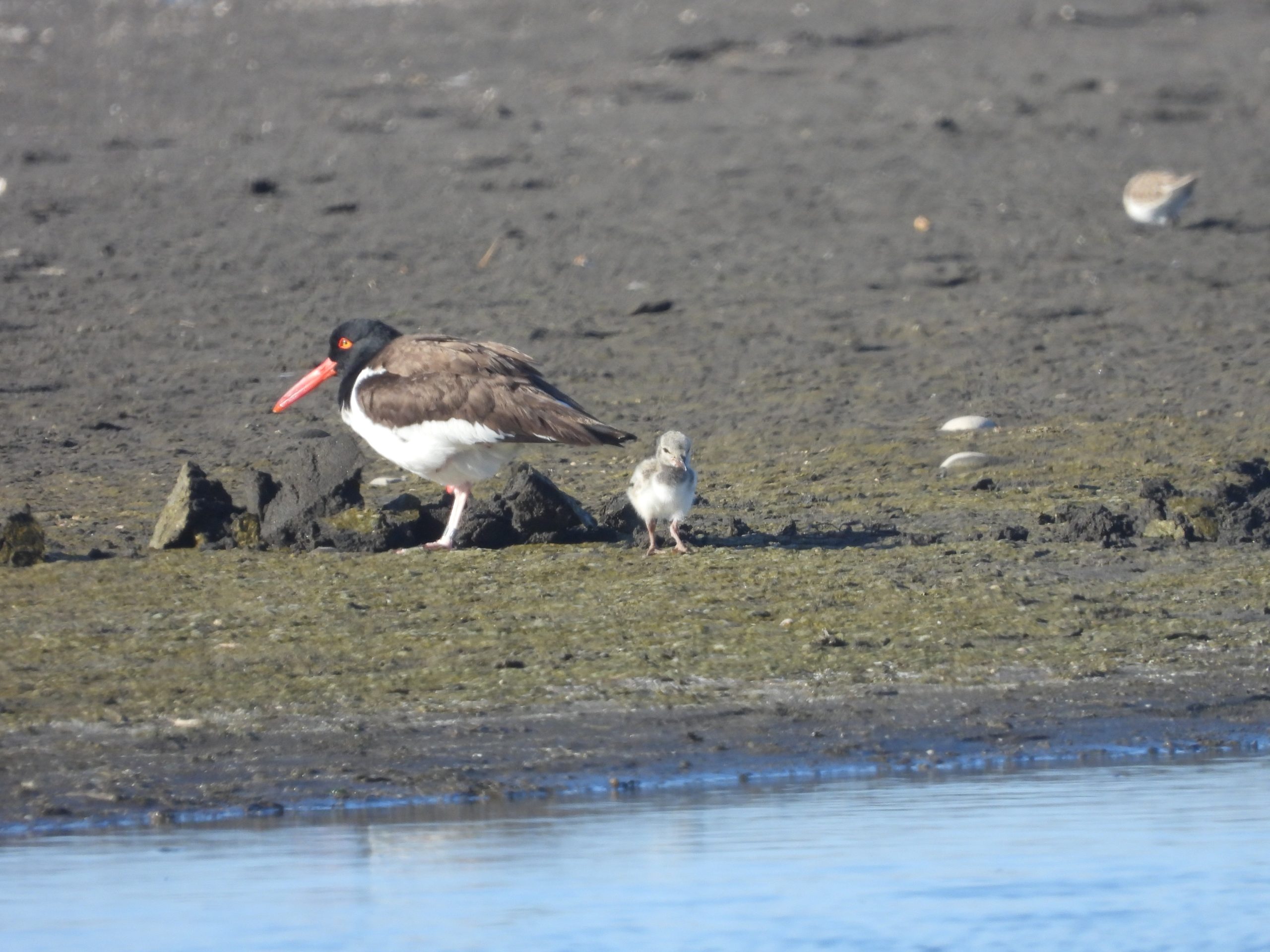
According to the Cosmos Foundation, administrators of the Maipo River Wetland Nature Sanctuary, 44 Pilpilén eggs were detected within this protected area this breeding season. Only three of these eggs hatched—as in the previous season—but this time, one of the chicks grew to the point of being able to fly independently. This explains the importance of this milestone, which underscores the challenge of implementing conservation programs to increase the reproductive success of a species classified as “Near Threatened,” according to the Wildlife Classification Regulation (RCE).
“Together with the Municipality of Santo Domingo and thanks to the technical, operational, and financial support of various national and international organizations, companies, and universities, we have been strengthening our Shorebird Conservation Program since 2018 to increase the reproductive success of the Common Pilpilén in the Maipo River Wetland Nature Sanctuary. We are pleased to see how this collaborative work is bearing fruit despite the significant threats facing this species. We hope that the individual Pilpilén that managed to survive and take flight this season will be the first of many more chicks to fledgling next year,” explains Diego Urrejola, executive director of the Cosmos Foundation.
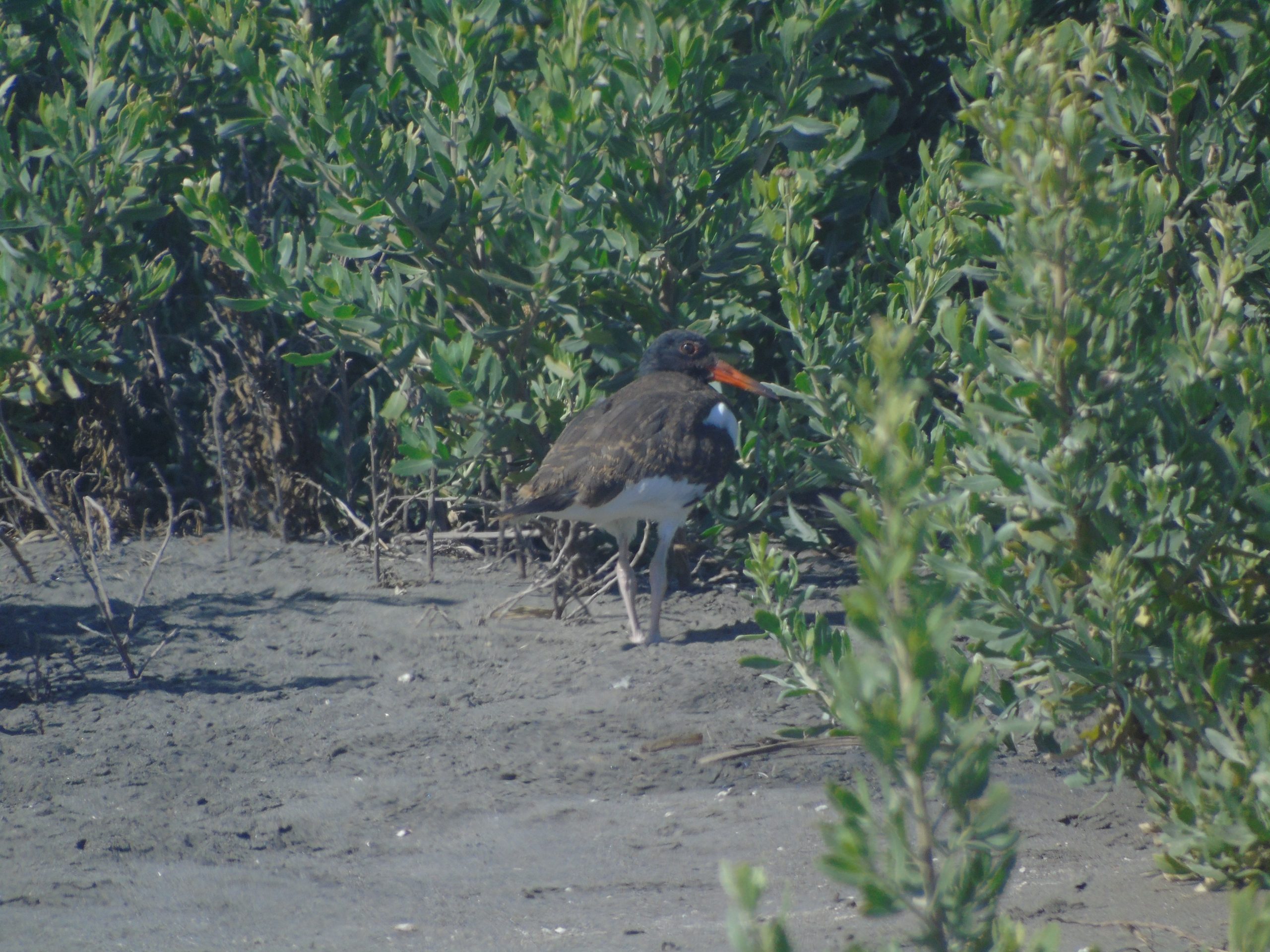
This species is known for nesting in dunes and beaches, which makes them prone to predation by dogs, both domesticated and free-ranging. Furthermore, their eggs blend in with the sand and are often destroyed by vehicle traffic on the beach or people walking in nesting areas.
To mitigate these risks, the Cosmos Foundation, in coordination with public and private organizations, has implemented various actions. Diego Luna Quevedo, Policy and Governance Specialist at Manomet Inc., stated that “One of the initiatives we have been supporting in the Sanctuary is the installation of a 5,500 m² threat and disturbance exclusion fence that seeks to protect the nesting areas in the Sanctuary. This protection action has been successful in increasing the reproductive success of the Pilpilén pairs that live within this perimeter, compared to those pairs outside the fence and whose habitat is disturbed by human activity and the presence of predators.” The Shorebird Conservation Program promoted by the Cosmos Foundation with the Municipality of Santo Domingo since 2021 has successfully banded 19 birds for registration and installed 10 camera traps to monitor the chilla fox and wild dogs as a threat to the Pilpilén.
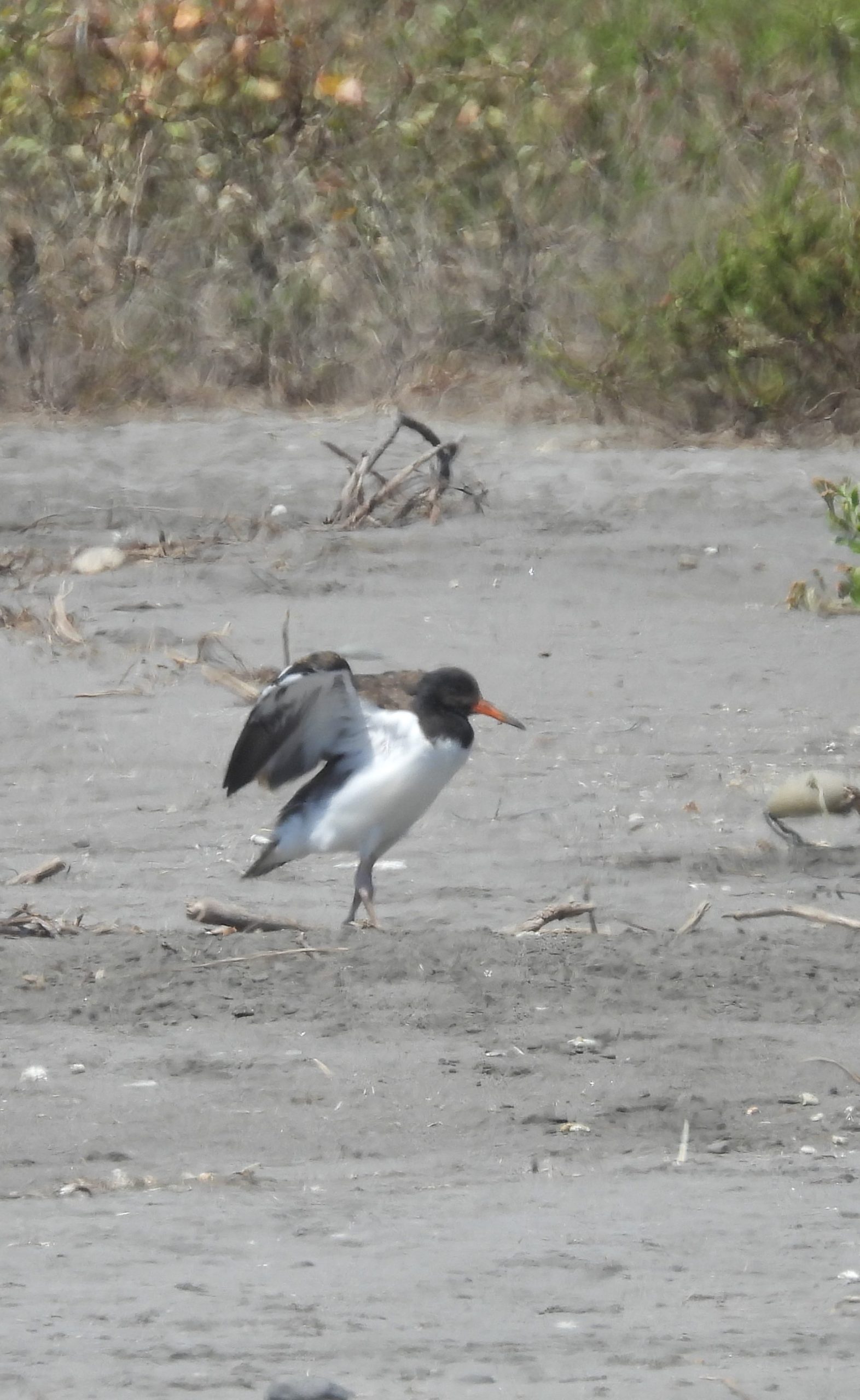
The Cosmos Foundation proposes that, in addition to the concrete actions being implemented in the Nature Sanctuary to increase the reproductive rate of this species, greater involvement of the wetland’s resident community and visitors is essential to prevent behaviors that endanger their habitat.
“It is important for the community to understand the ecosystem functions provided by the Maipo River Wetland and the fragility of the biodiversity it supports. We have conducted information campaigns about the Pilpilén, environmental education campaigns, and the promotion of responsible pet ownership in conjunction with various organizations, but they must go hand in hand with a genuine desire for change. Today, many wetland visitors continue to walk their dogs on the beach or even bring vehicles into the wetland, regardless of the fact that they are seriously disrupting the Pilpilén’s feeding, breeding, and nesting areas,” warns Urrejola.