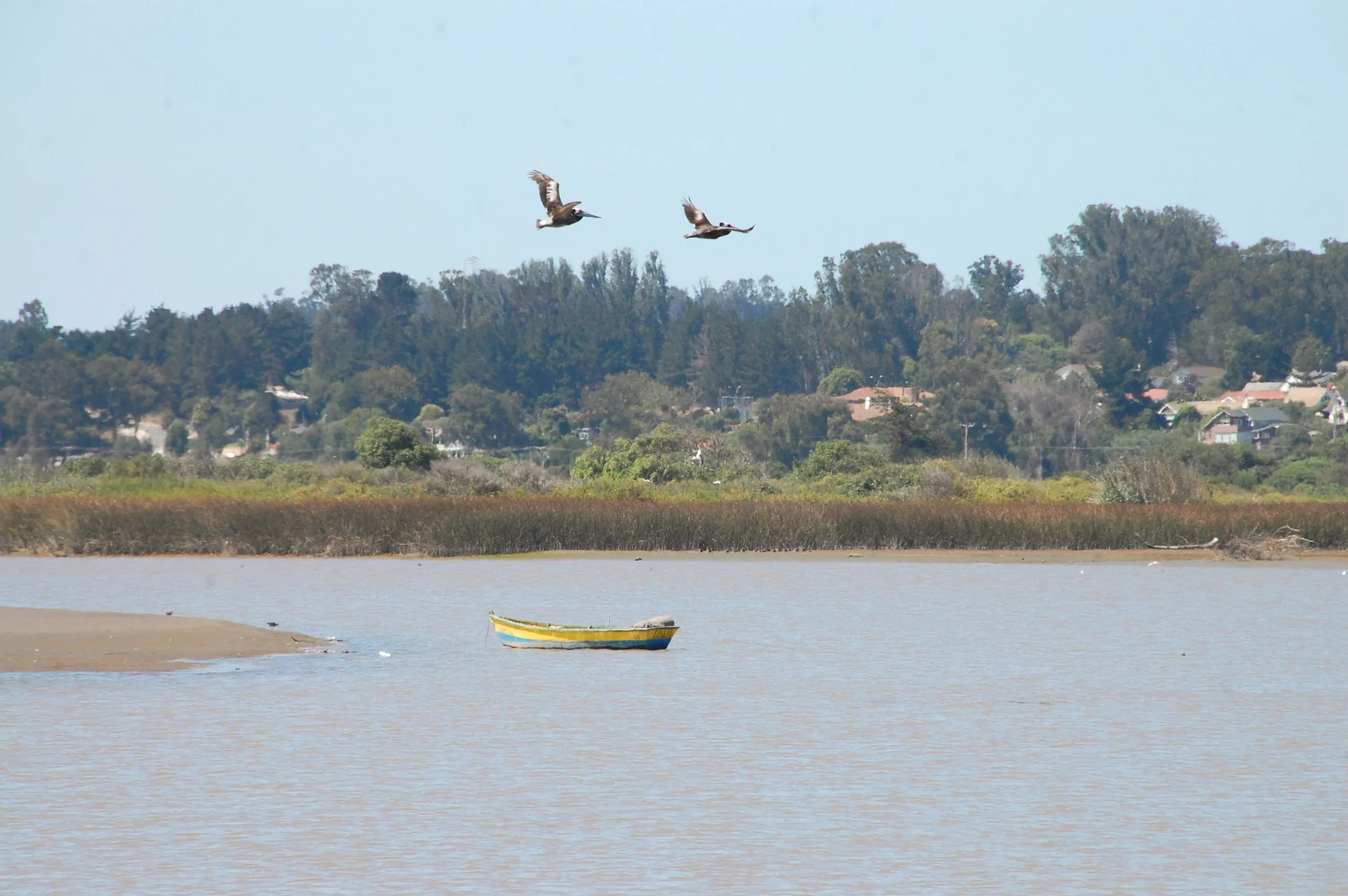
Circular Country | Maipo River Wetland concentrates the greatest richness of birds in central Chile
- Publicado el 31.01.2026
- Escrito por Angel Fondon
Considered one of the most important wetlands in the central region of the country, this ecosystem is a fundamental link in the migratory bird routes of the continent and concentrates more than 35% of the national avifauna.
Read the article in País Circular
Considered one of the most important wetlands in the central region of the country, this ecosystem is a fundamental link in the migratory bird routes of the continent and is part of the Maipo River basin, on which nearly 10 million people depend for their water supply.
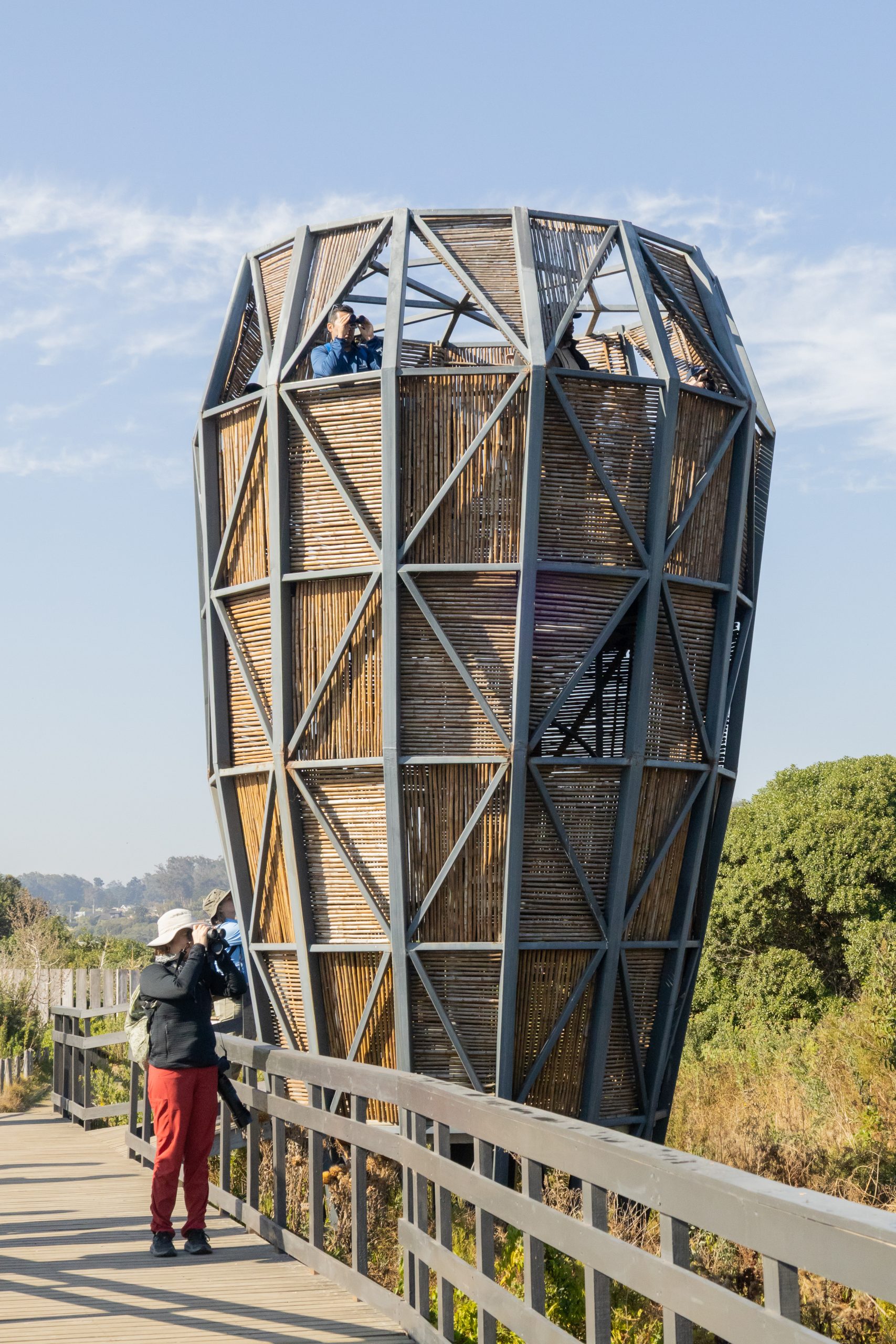
At first glance, the Maipo River Wetland in the Santo Domingo commune may seem like a tranquil landscape perfect for exploring its trails, viewpoints, learning about nature, and birdwatching. However, what occurs in this ecosystem is on a much larger scale: ecological processes converge here, connecting Chile to the migratory routes of the entire American continent.
Every year, birds that travel thousands of kilometers from places as far away as Alaska and Canada find in this wetland a key point to feed, rest and continue their journey.

“The Maipo River Wetland is not just a local landscape or another urban green space. It is a critical natural infrastructure for the country, a system that connects Chile with the continent’s migratory routes and sustains ecological processes on which the environmental balance of the central coast depends,” says Diego Urrejola, executive director of Fundación Cosmos, the organization in charge of managing the Maipo River Wetland Sanctuary, whose main access is the park of the same name.
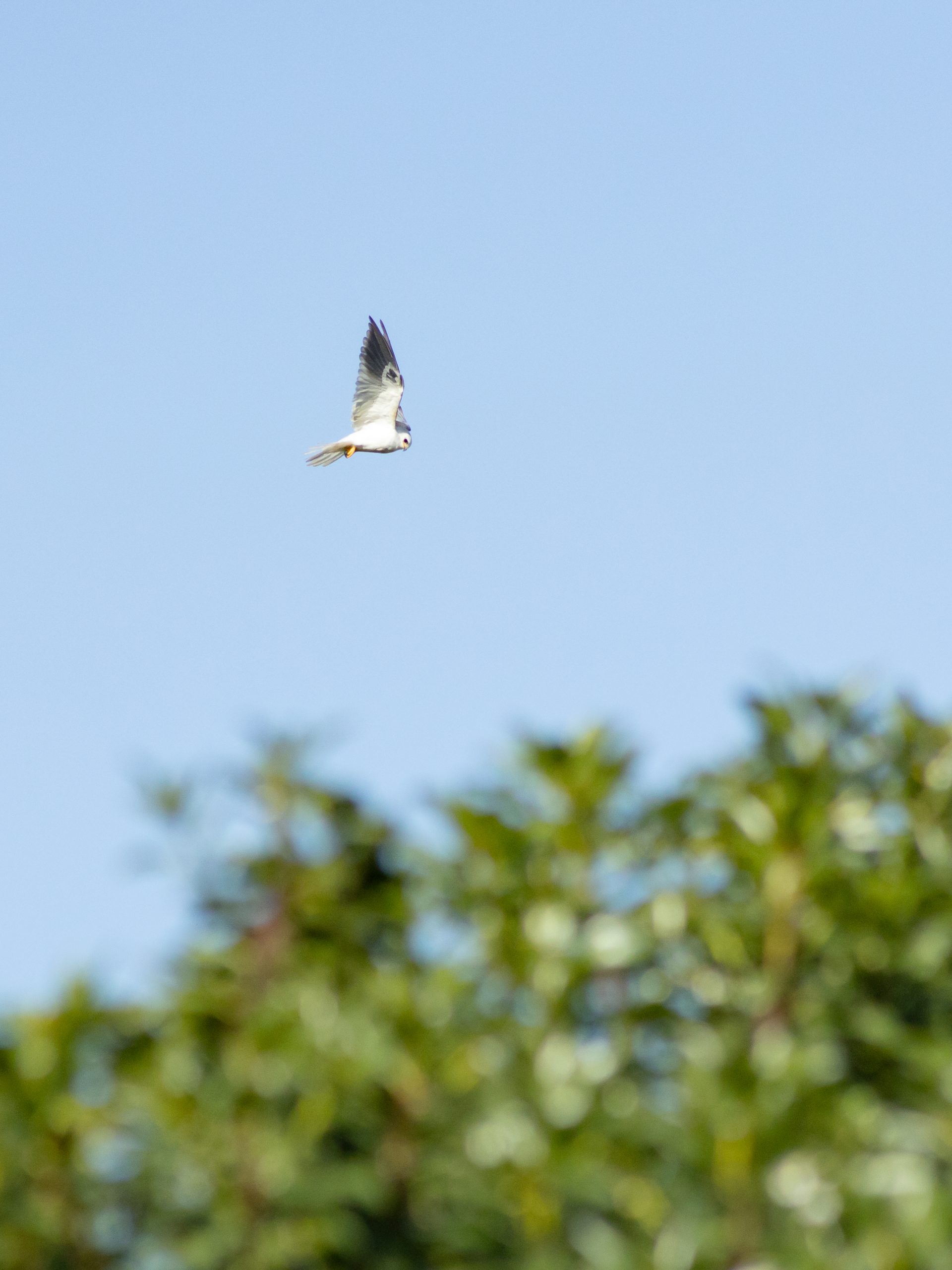
In fact, the Maipo River Wetland is home to more than 195 bird species, representing approximately 35% of all bird species recorded in Chile. This figure positions it as the site with the greatest bird diversity in central Chile and the second highest nationally, providing habitat for species in conservation categories both in Chile and globally, such as the American Kestrel (Laterallus jamaicensis) and the Spotted Snipe (Nycticryphes semicollaris), both Endangered, as well as the American Oystercatcher (Haematopus palliatus) and the Elegant Tern (Thalasseus elegans), both classified as Near Threatened.
Natural hotspot and territorial resilience
Recognized in 2015 as a Site of Regional Importance of the Western Hemisphere Shorebird Reserve Network, and in 2020 as a Nature Sanctuary, the importance of this ecosystem is no coincidence. Fresh, brackish, and marine waters converge at the mouth of the Maipo River.
This interaction gives rise to a mosaic of interconnected habitats, such as estuaries, lagoons, intertidal zones, and coastal environments, which explain the high biological productivity of wetlands and their extraordinary capacity to support life. Among these are migratory species that depend on a network of interconnected wetlands across the continent, where the loss of a single link can affect entire migration routes.
But its value is not limited to biodiversity. Its natural dynamics fulfill key ecosystem functions for the surrounding urban areas, such as buffering storm surges, reducing coastal erosion, regulating river flooding, and providing drinking water to the population of the San Antonio province. In fact, the wetland is part of the Maipo River basin, which supplies drinking water to half of the country’s population.
In a context of climate change and increasingly frequent extreme events, these functions make it a strategic natural infrastructure for territorial resilience.
“On World Wetlands Day, these types of ecosystems remind us that without water, biodiversity, and healthy natural systems, development is impossible. The Maipo River Wetland plays an irreplaceable role in the region, and its protection must be a public priority,” explains Urrejola.