
Signage manual for parks on Santiago Island hills
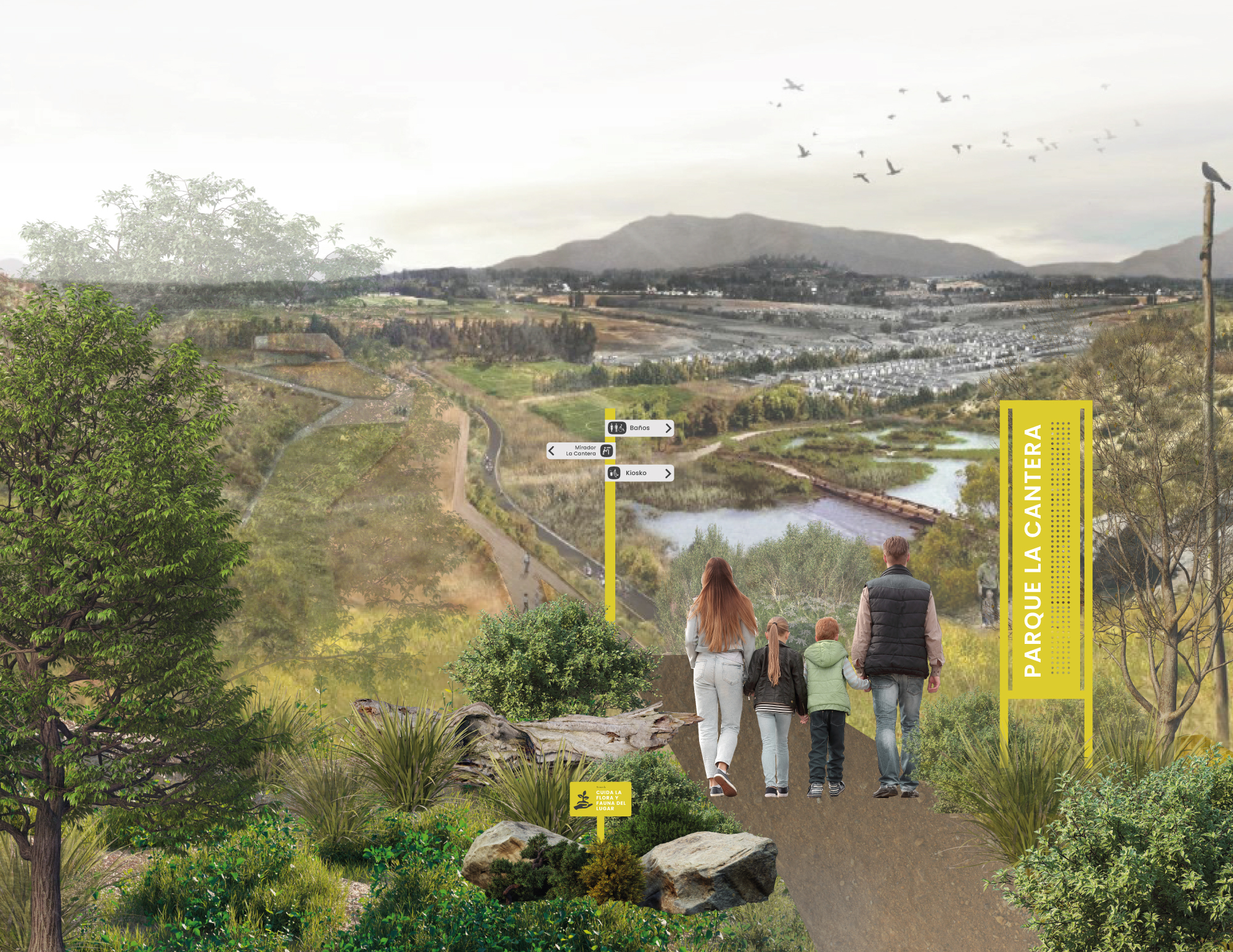
“Building a new imaginary of the city based on its geography”
Cerros Isla Foundation
The urban area of Greater Santiago has 26 island hills (IH), totaling nearly 5,000 hectares of wild ecosystems that are still capable of providing social and ecological benefits to the city’s inhabitants. Although almost all of this area is designated by territorial planning instruments as communal or intercommunal parks or ecological rehabilitation areas, most of the hills are ecologically degraded, fostering safety problems and degrading and illegal practices, such as micro-dumps, informal quarries, and motorcycle riding, among others.
For this reason, and understanding the enormous potential of these spaces for the city of Santiago, the Cerros Isla Foundation is developing an environmental compensation platform for the ecological and social recovery of Santiago’s island hills. The platform aims to channel environmental compensation payments to biodiversity recovery projects.
To contribute to this platform and through a collaboration agreement, the Cosmos Foundation donated the design of a complete signage manual with technical specifications for future projects carried out by the Cerros Isla Foundation.
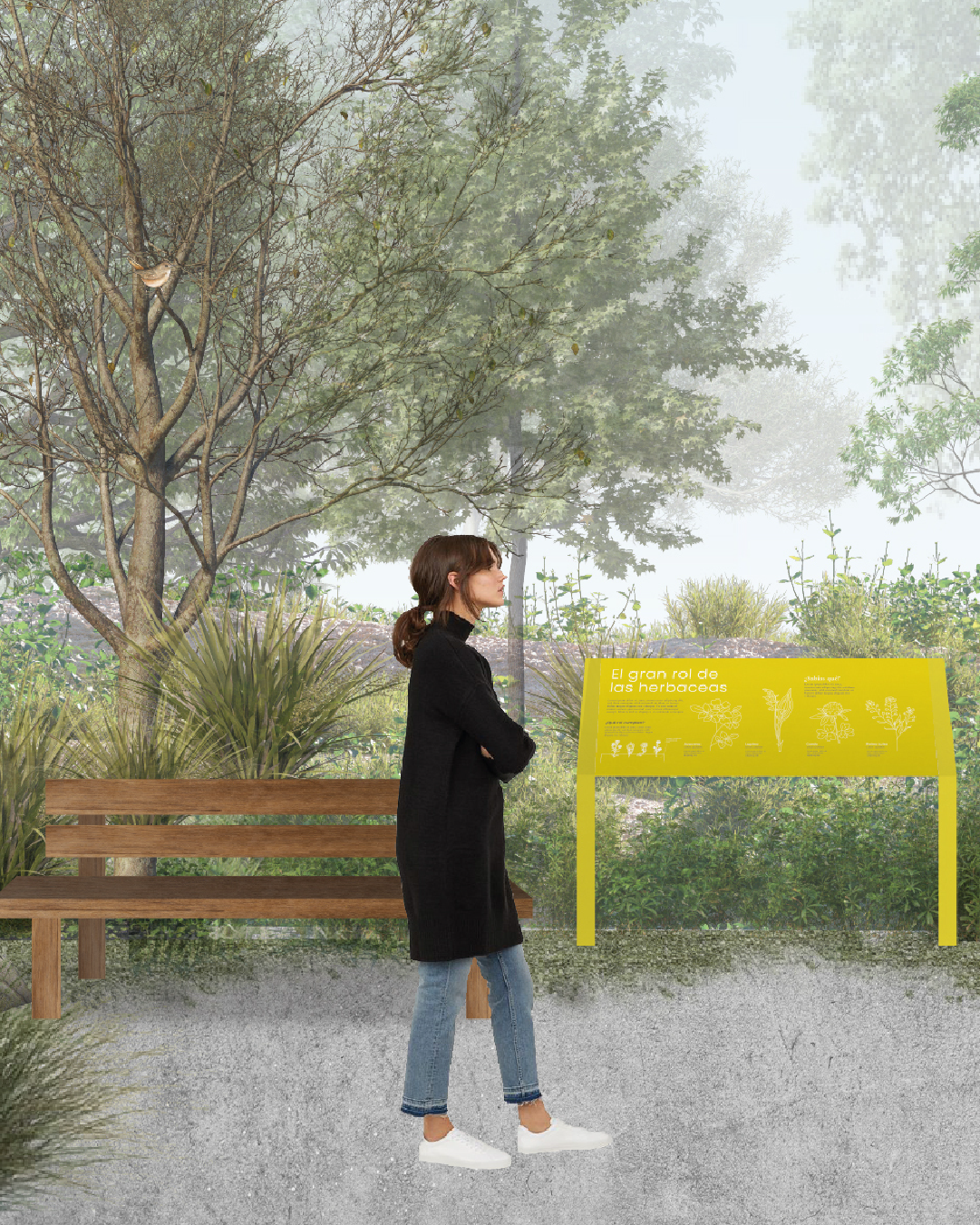
Signage Manual
The Signage Manual for Future Urban Park Projects in Cerros Isla project, implemented by Fundación Cosmos, aimed to develop a comprehensive signage design manual that would enhance the visitor experience and help achieve Fundación Cerros Isla’s goal of developing a digital platform to recover and conserve the native ecosystems of three island hills in Santiago by channeling environmental offsets, ensuring their sustainability and promoting the future consolidation of these hills as urban natural parks, thereby contributing to improving current indices of socio-environmental justice and urban resilience.
The Manual consists of various elements of graphic styles using color, typography, and materials that will help guide and regulate the implementation of signage in future urban park projects in the Cerros Islas neighborhoods. It includes graphic design templates, technical specifications, and appendices with recommendations and material data sheets.
Environmental compensation platform
There is an increasing number of companies seeking environmental offsets. However, especially in the Metropolitan Region, they lack suitable sites or plans that allow for simple and efficient management of contributions from environmental offsets. Furthermore, among other problems, the vast majority of offsets for the creation and maintenance of green areas are not considered part of a comprehensive project and are carried out on vacant lots without the necessary biotic conditions for the survival of the planted plants.
Given these challenges, the Cerros Isla Foundation is developing the Cerros Isla Ecological Offsets Platform, aiming to leverage these resources to ecologically restore these valuable urban green areas, so that they serve as recreational spaces and biodiversity reservoirs.
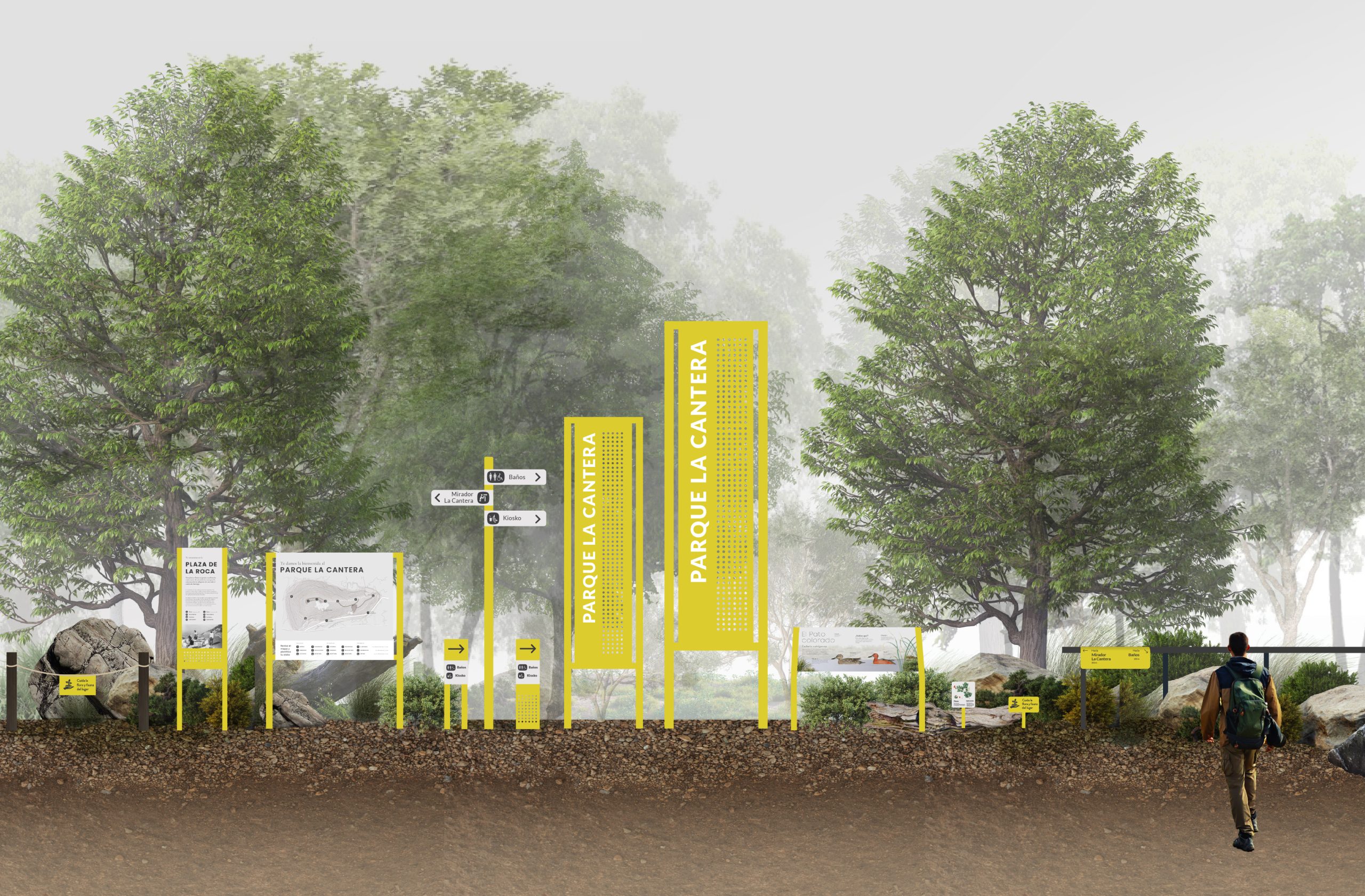
Potential of the Island Hills
The 26 island hills are distributed across 16 communes of Santiago, and 70% of their surface area is located in low-income municipalities with limited public budgets for designing, consolidating, and maintaining green areas. Since public green areas are unevenly distributed within the urban area of Greater Santiago (Forray et al., 2012), the island hills become a key tool for promoting urban equity principles.
If the island hills of Santiago were properly conserved, they could address ecological fragmentation, reduce inequality in the distribution of green areas between low- and high-income neighborhoods, and increase Santiago’s green area index from 3.3 to 11.7 m2 (UAI, 2017) per inhabitant, approaching international standards corresponding to 20 m2 per inhabitant in developed countries (Wang, 2009).