
Participatory design for conservation and social cohesion
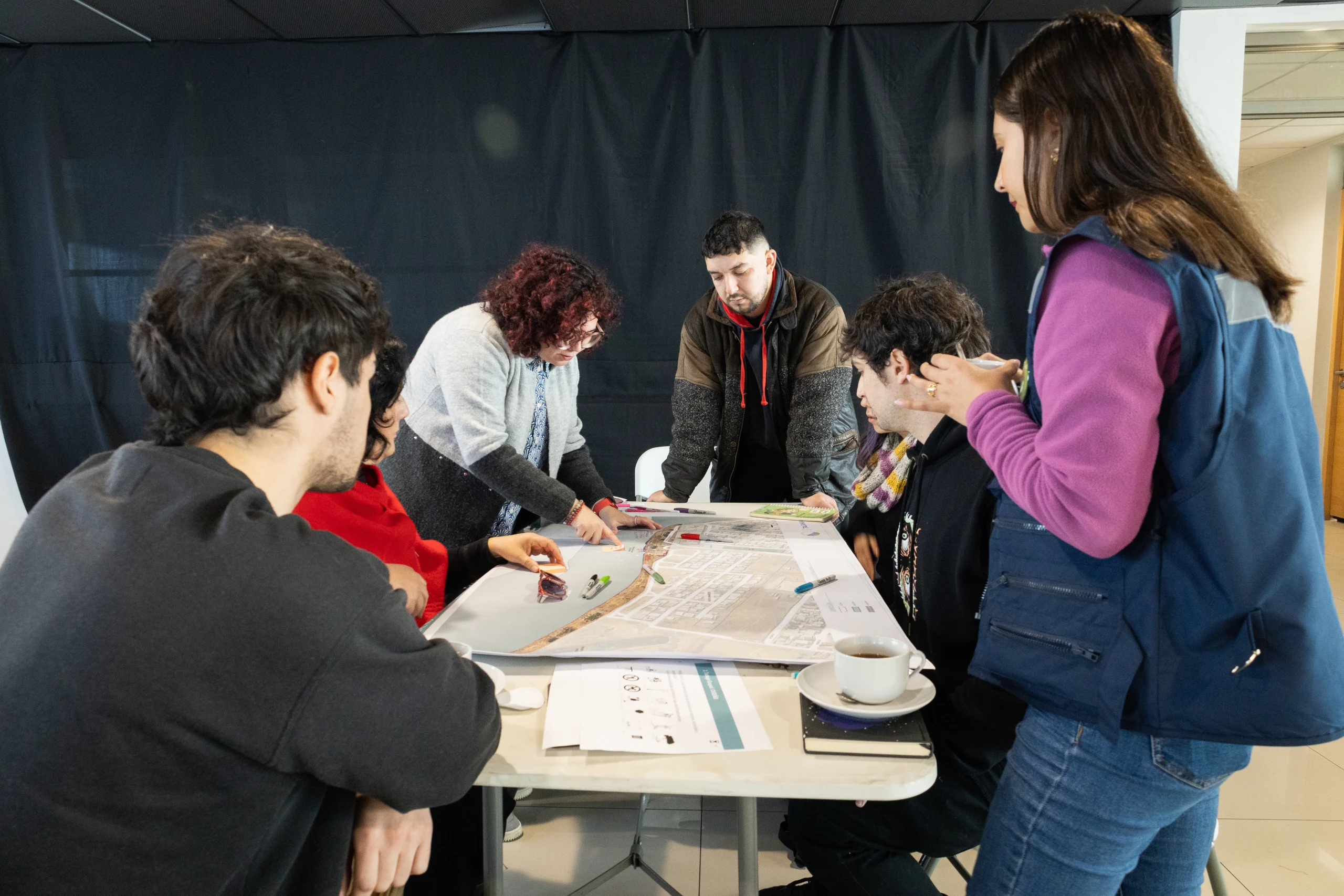
Santa Clara Park was born from the land and its history. Through a participatory design process driven by the Cosmos Foundation, the Municipality of Talcahuano, and the consulting firm URBANCOST, the community has played a leading role in defining the project, integrating its visions, needs, and connections to the place.
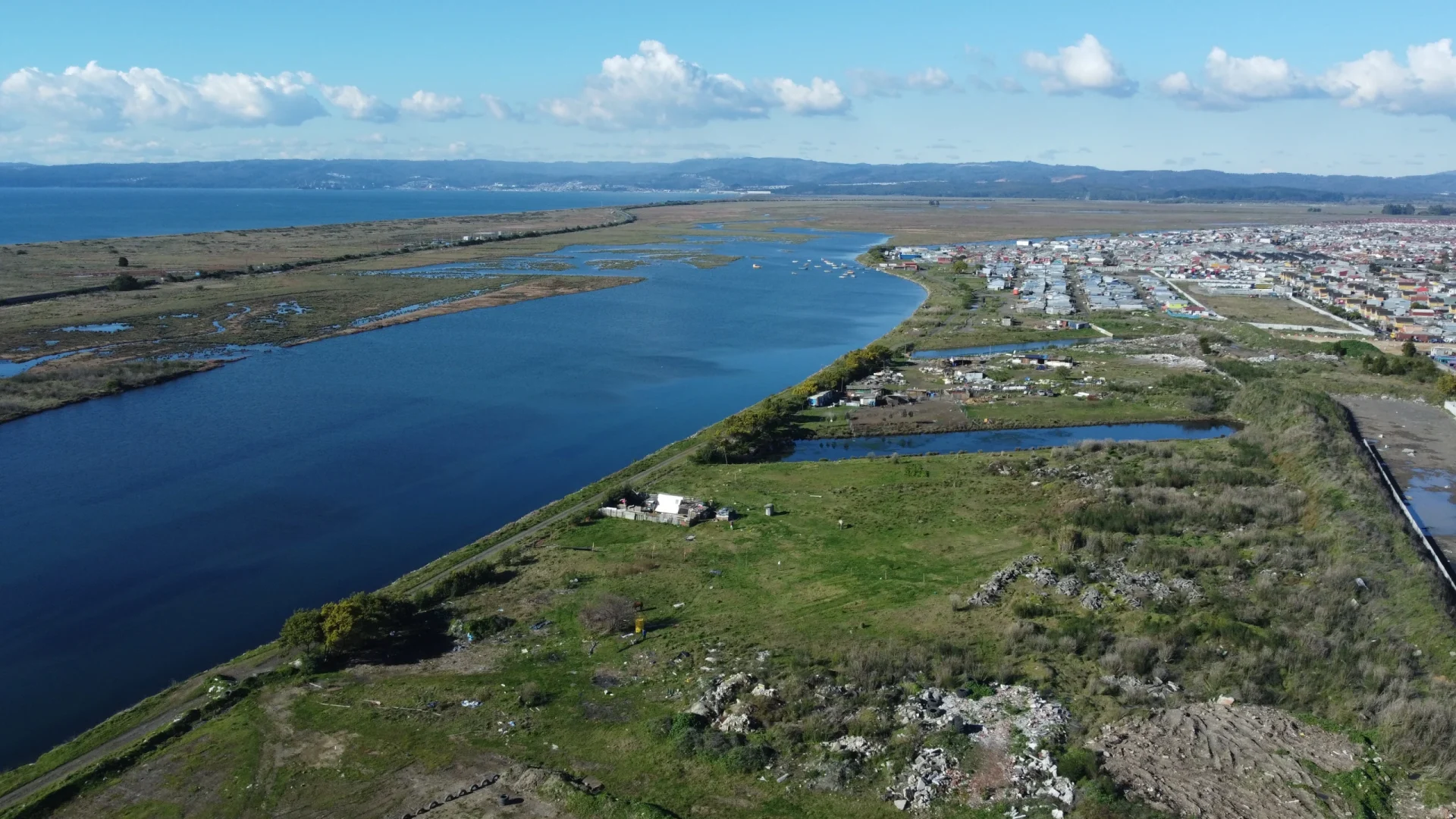
Participatory processes have revealed a strong identity deeply rooted in the wetlands and the memory of the February 27th earthquake, solidifying the idea of a park that not only restores the ecosystem but also serves as a space for gathering, remembrance, and rebuilding the bond between the community and its landscape. This shared vision envisions a multifunctional park where environmental education, recreation, nature observation, and traditional activities like artisanal fishing coexist.
Design of the Santa Clara Wetland Park
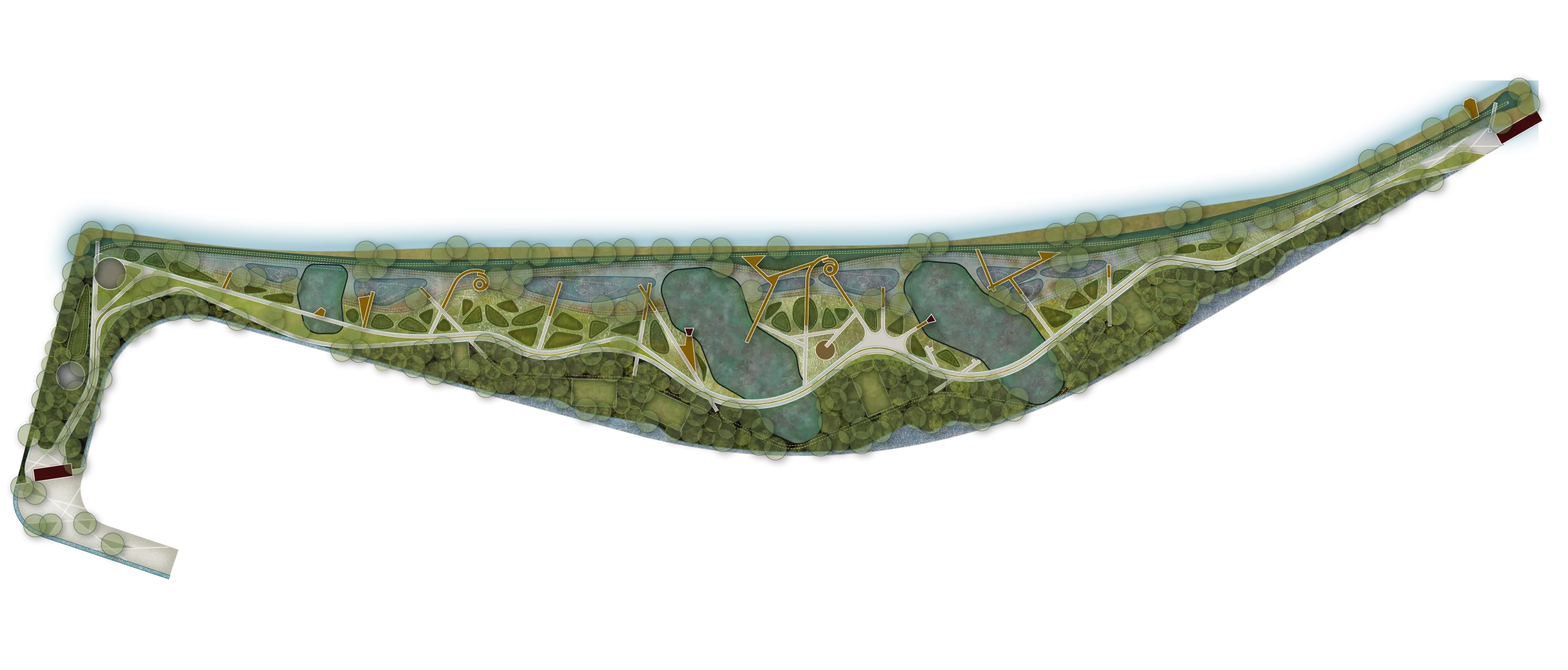
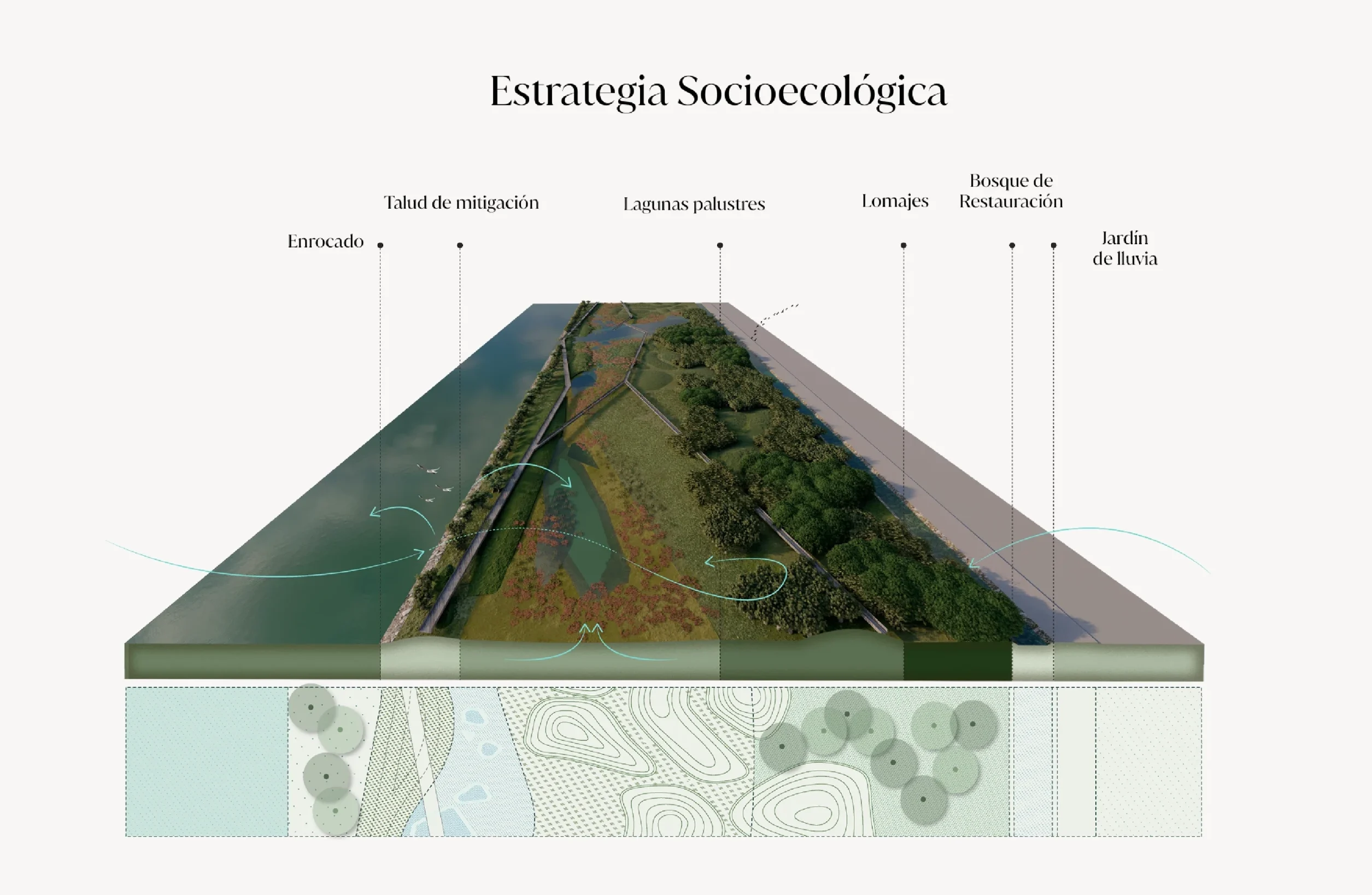
The park’s design is based on an ecological infrastructure strategy and water-sensitive design, understanding water as the structuring axis of the landscape. Through nature-based solutions, the aim is to infiltrate, retain, and channel water in a controlled manner, improving its quality and reducing the risk of flooding.
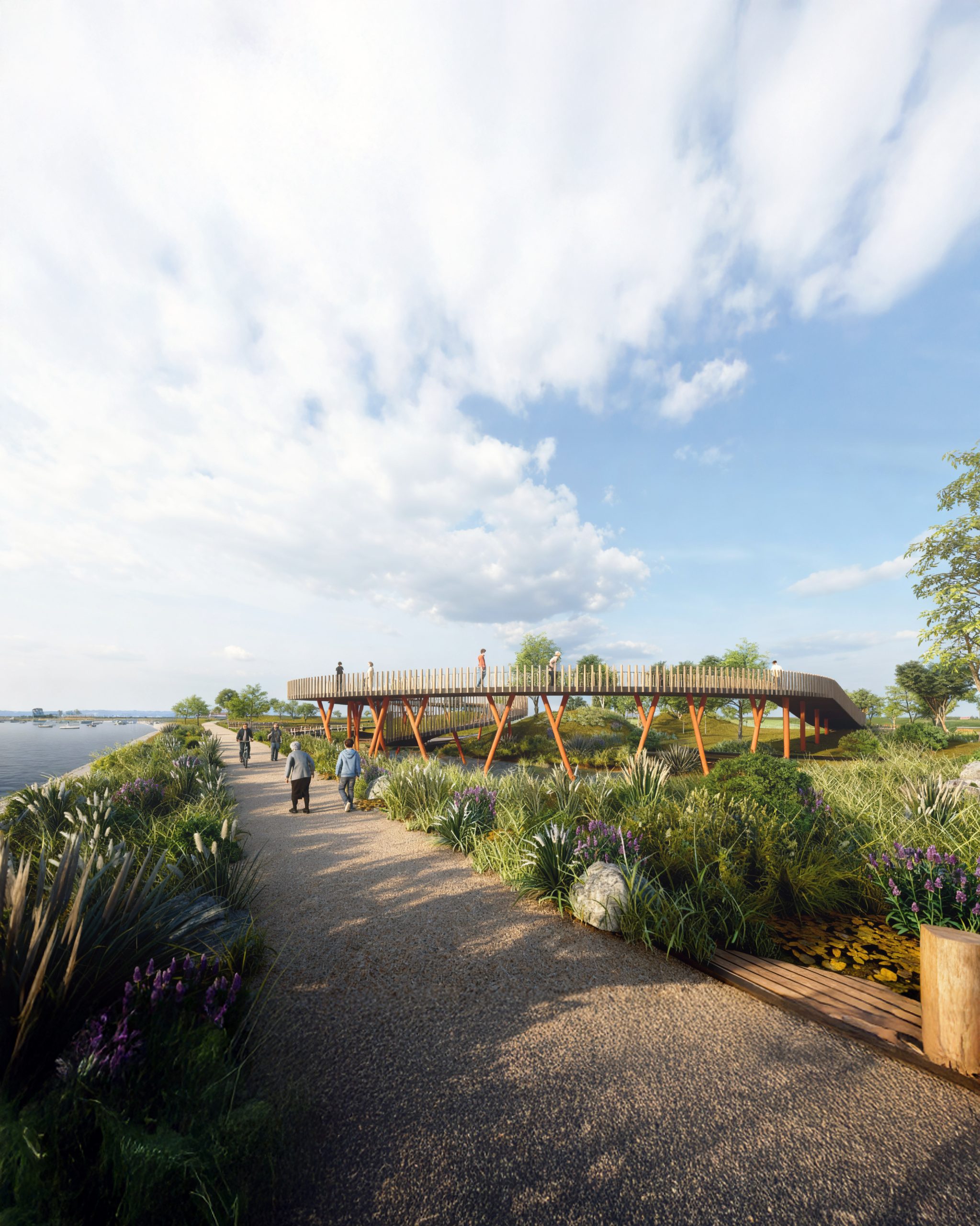
The proposal incorporates tidal lagoons, rain gardens, raised fields, and restoration areas with native vegetation, which allow for the recovery of ecosystem functions and increased biodiversity. These strategies are complemented by a tsunami mitigation slope, which also serves as a scenic walkway, and by the rehabilitation of existing lagoons to promote bird nesting.
Infrastructure for meeting and experience
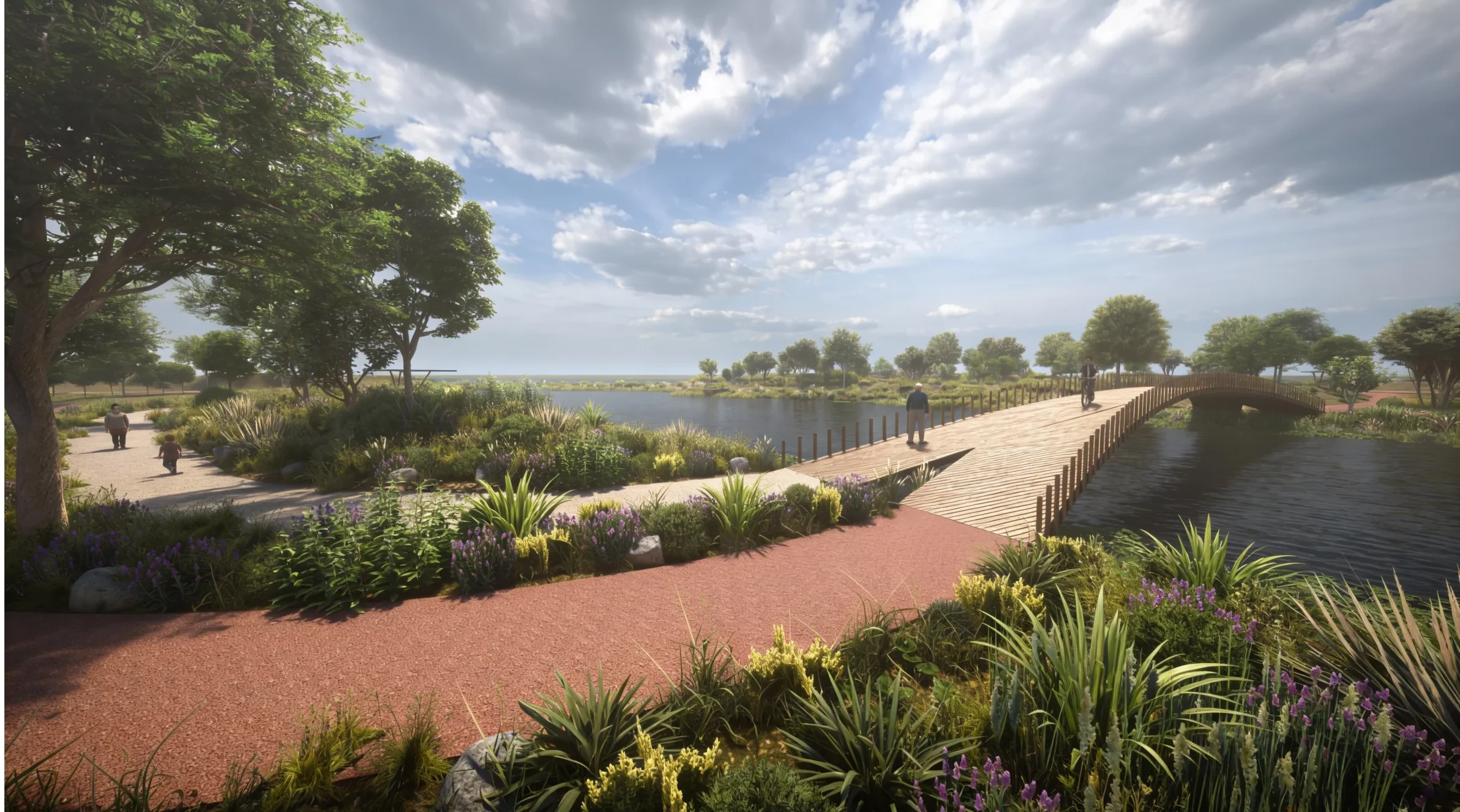
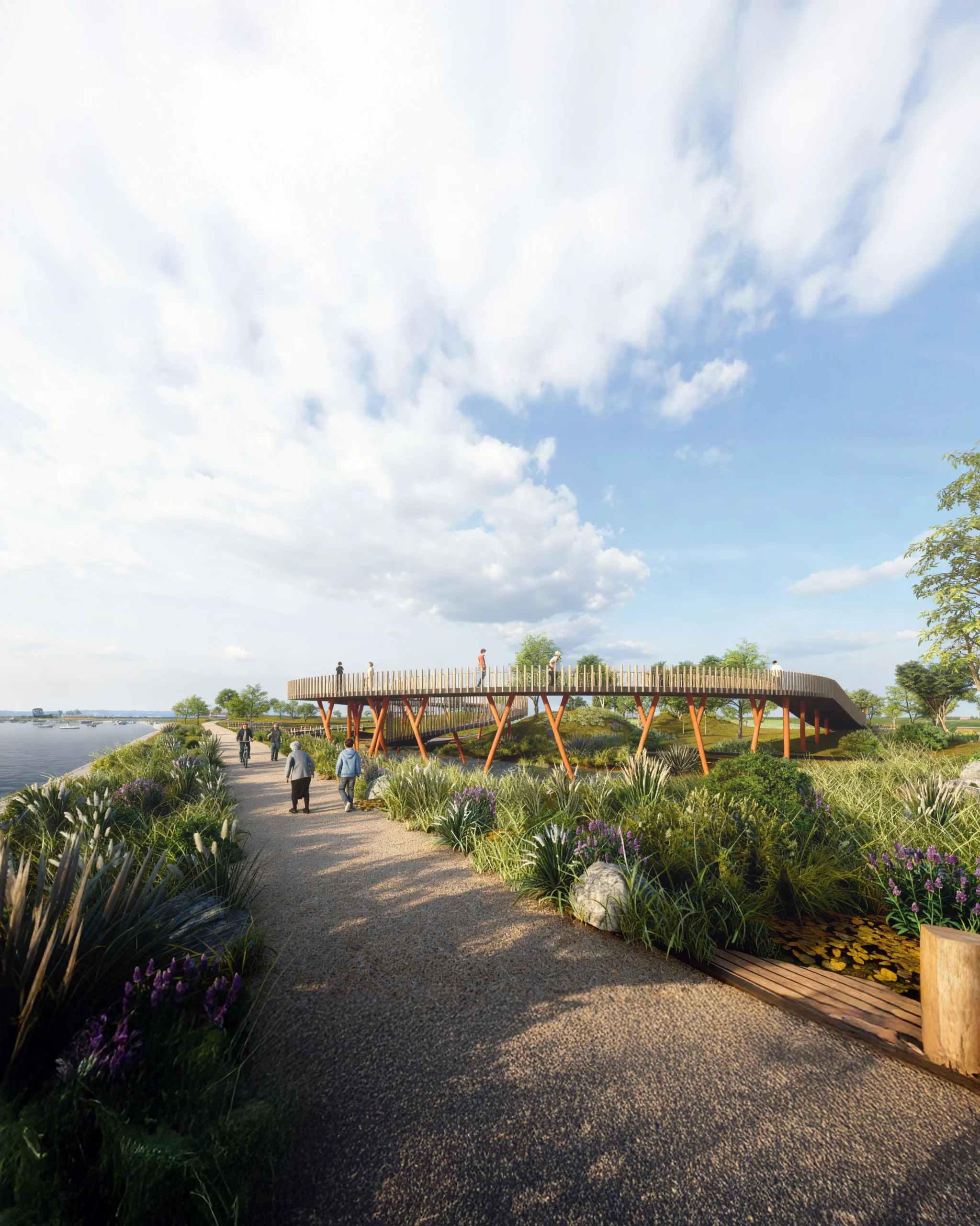
The park is structured around a system of accessible routes that integrate pedestrian paths, bike paths, and elevated walkways, allowing visitors to explore the wetland in a respectful manner. Along these routes are various landmarks that enrich the experience:
- A main entrance conceived as a civic esplanade, with community facilities and services.
- An amphitheater nestled in vegetation, designed for low-impact activities.
- A memorial that honors the victims of the tsunami, as a space for reflection and remembrance.
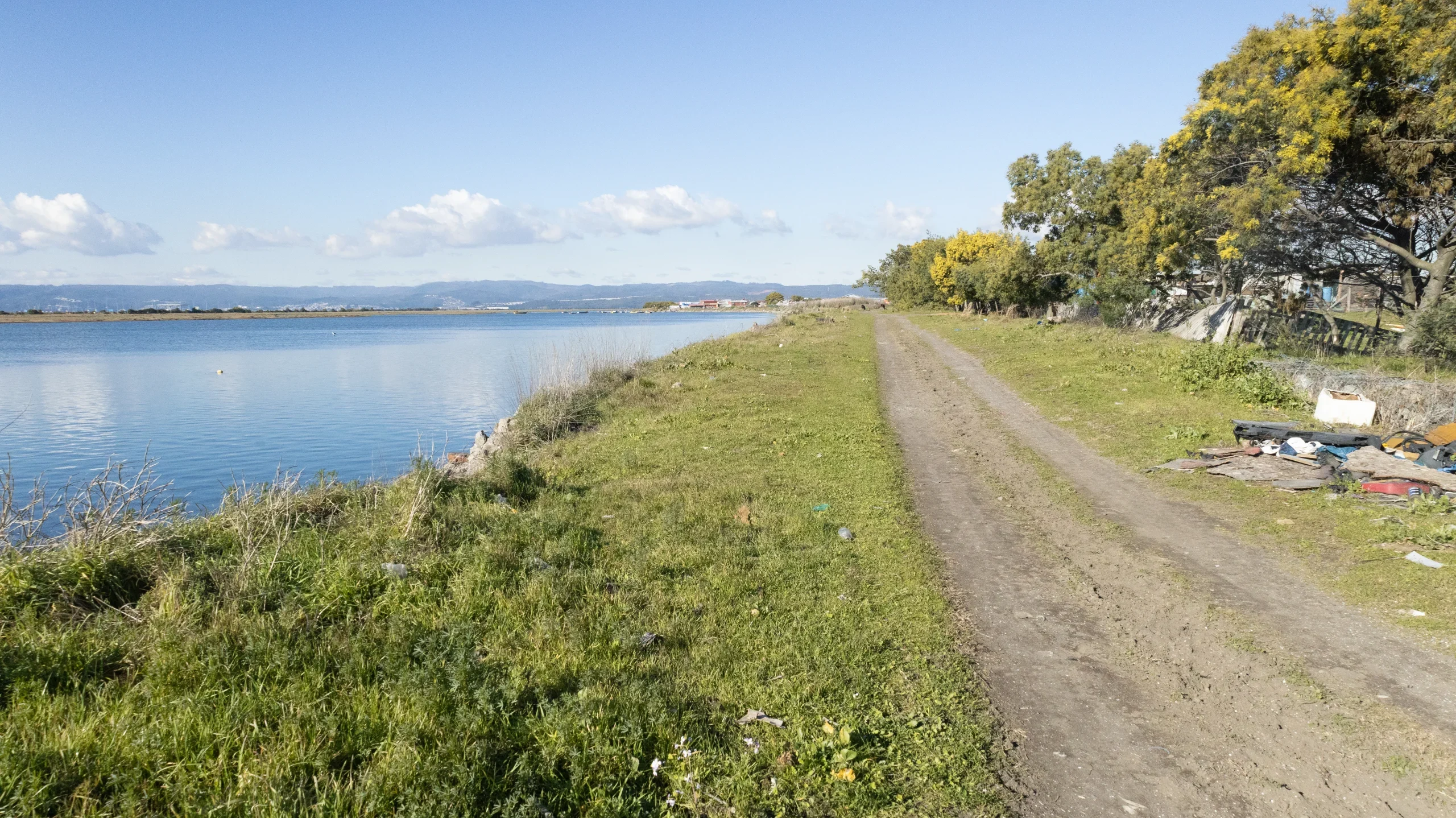
- A waterfront promenade along the El Morro Canal, with views towards the ocean.
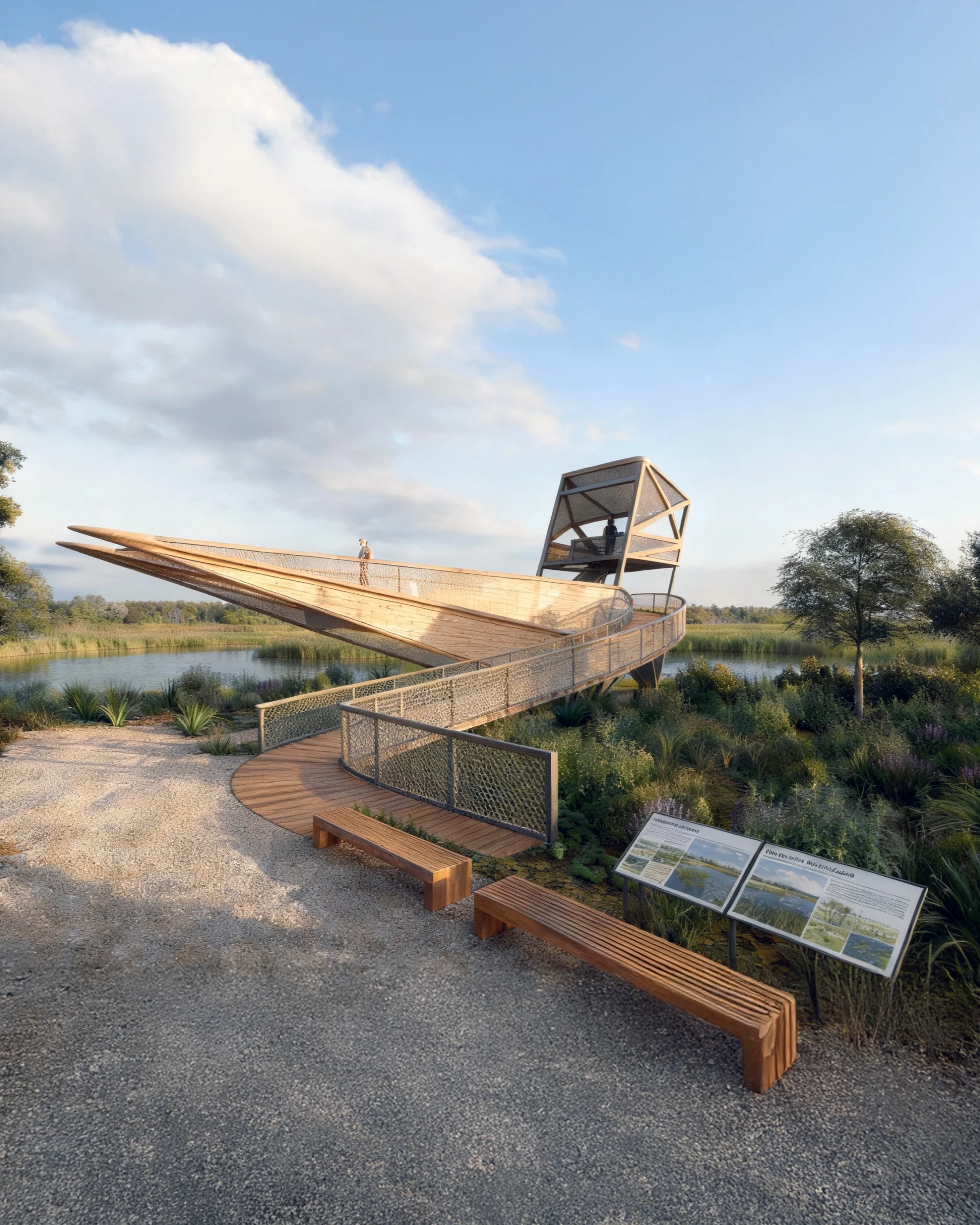
- Viewpoints inspired by local birdlife and elevated platforms that allow you to observe the landscape from new perspectives.
- A crowning viewpoint, with privileged views for bird watching and contemplation of the ecosystem.
These elements seek to articulate nature, culture and community, promoting an educational, contemplative and accessible experience for all.
A park for territorial resilience
More than just a one-off project, Santa Clara Park is envisioned as part of a network of wetland parks in the Rocuant-Andalién system, contributing to ecological restoration on a territorial scale. Its approach combines conservation, sustainable infrastructure, and community participation, positioning it as a model of urban adaptation to climate change.
Currently, the project is progressing in finalizing its preliminary design and developing its technical phases, along with securing public funding for its implementation. Through this process, the aim is to create a park that not only restores an ecosystem but also strengthens the connection between communities and their environment, integrating nature, history, and future into a single space.