
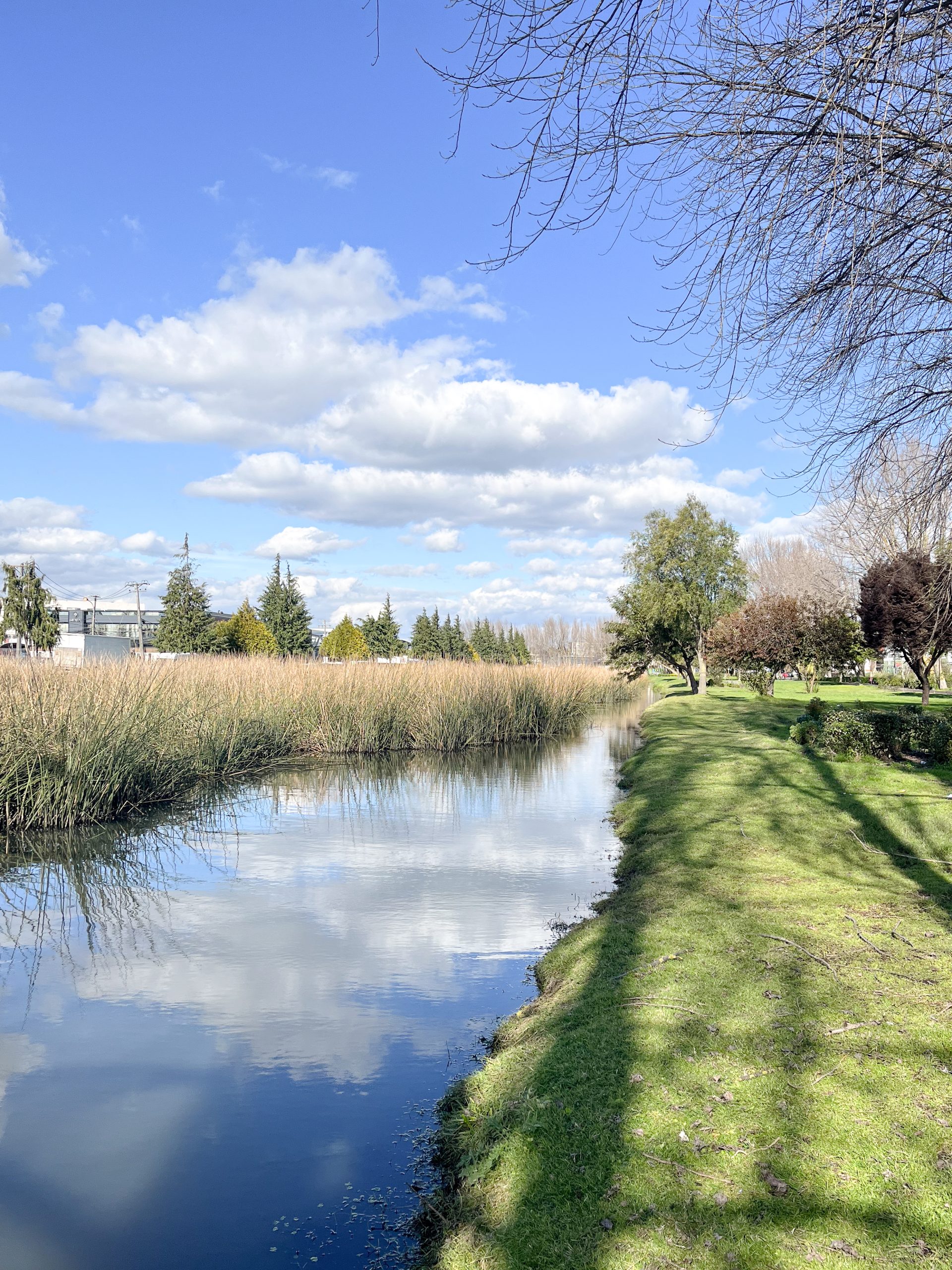
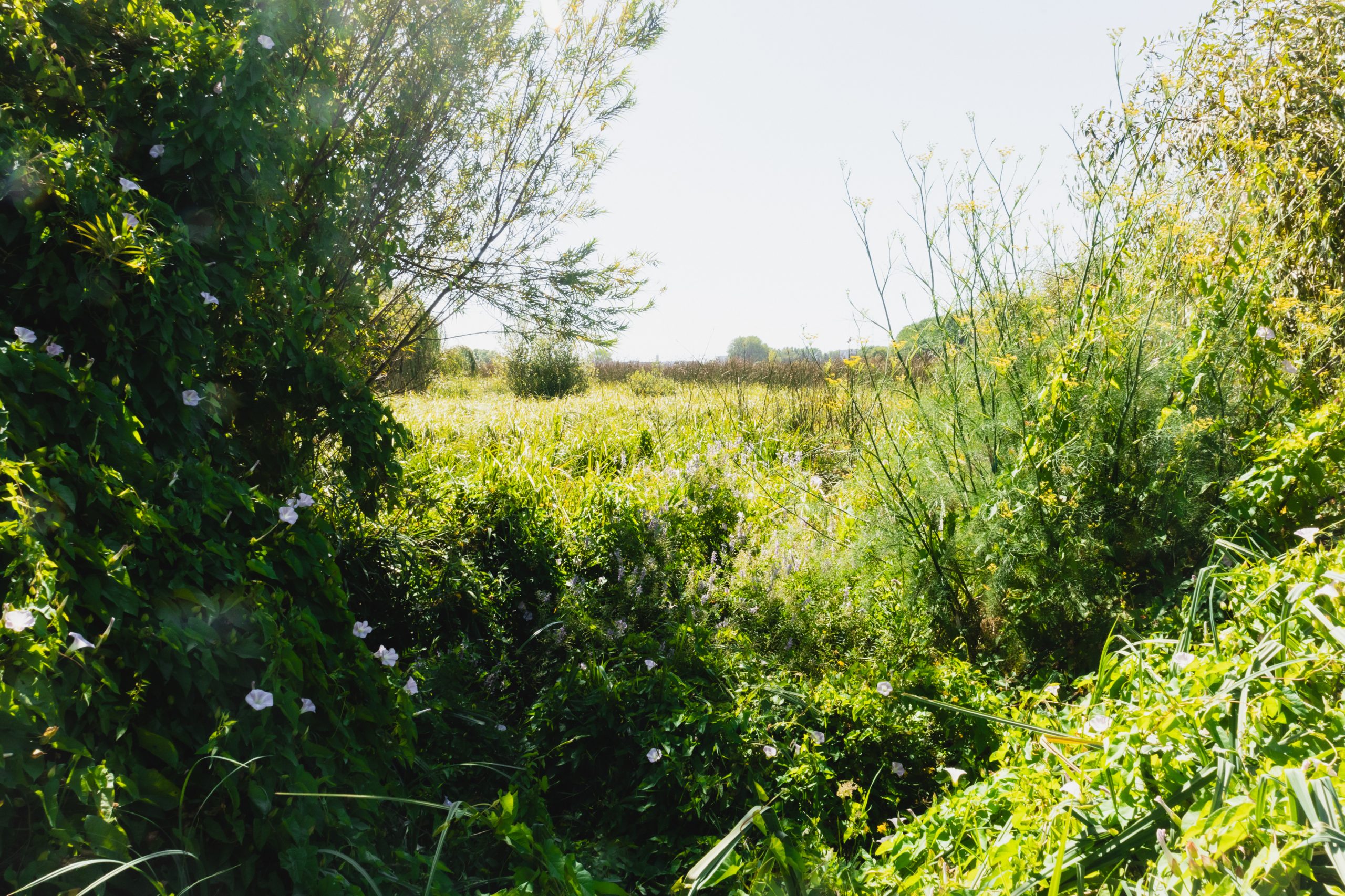
The Paicaví wetland survives as a valuable relic of the ancient wetland systems that once extended across what is now Greater Concepción, forming part of an interconnected system associated with a former branch of the Biobío River that flowed into Concepción Bay. Surrounded by urban sprawl, the wetland has seen its extent and ecological continuity reduced, becoming a fragmented ecosystem, but one that remains essential for the city.
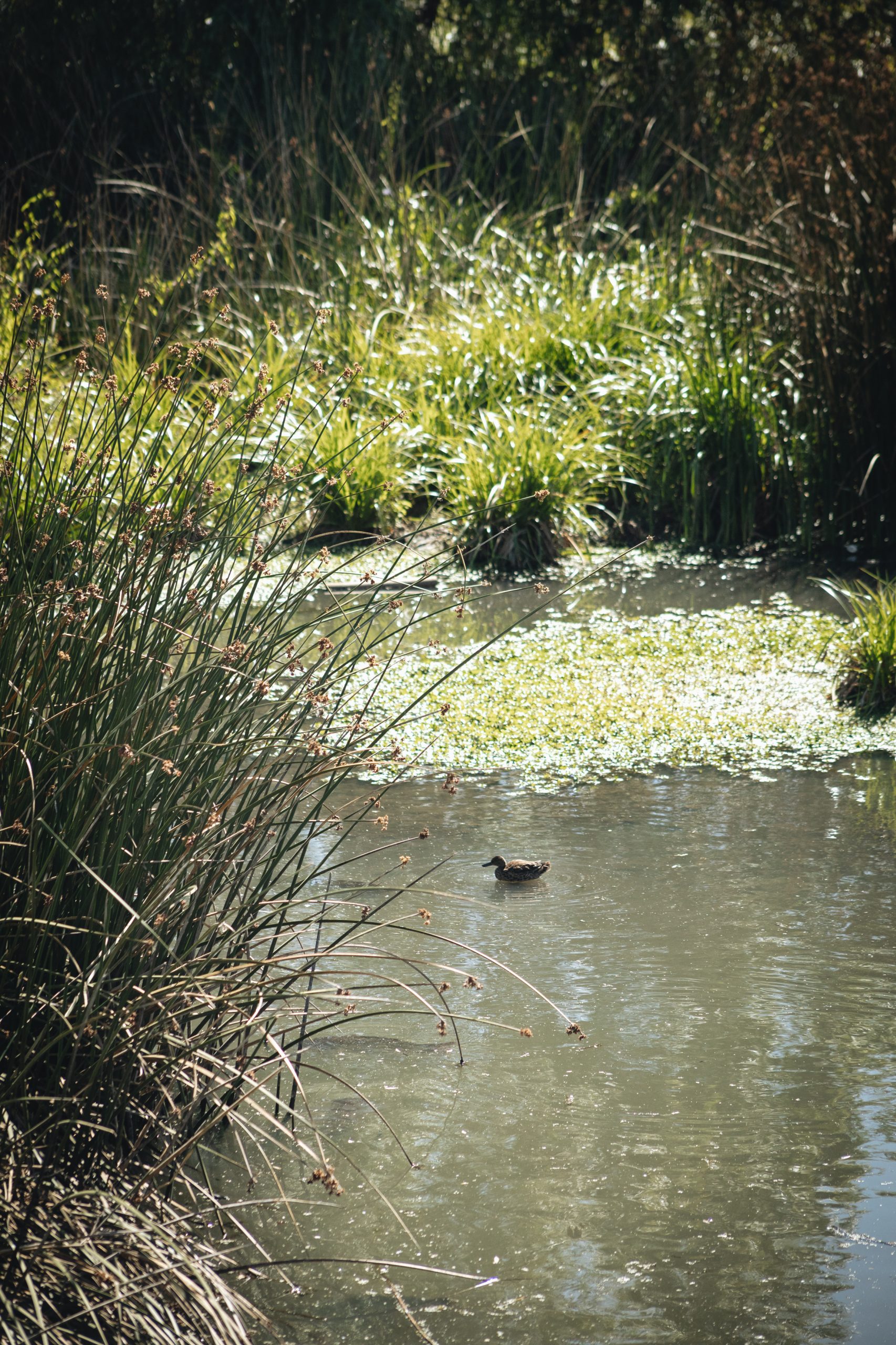
Despite this pressure, the wetland maintains a high socio-environmental value . It is home to at least 69 species of birds—both resident and migratory—mammals such as the coypu, and vegetation dominated by rushes and cattails that plays a key role in filtering pollutants.
This ecosystem not only conserves biodiversity, but also regulates flooding, captures carbon, and offers a space for learning and encountering nature in the middle of the city.
Understanding its importance, between 2020 and 2025 the GEF Coastal Wetlands Conservation project promoted actions to improve its ecological status and promote sustainable management of the territory.
Based on the experience of Cosmos FoundationIn 2024, an agreement was established with the Municipality of Concepción to enable a sector of the wetland as a natural park open to the community, promoting environmental education, social cohesion and the conservation of this unique ecosystem.
Participatory design for conservation and social cohesion
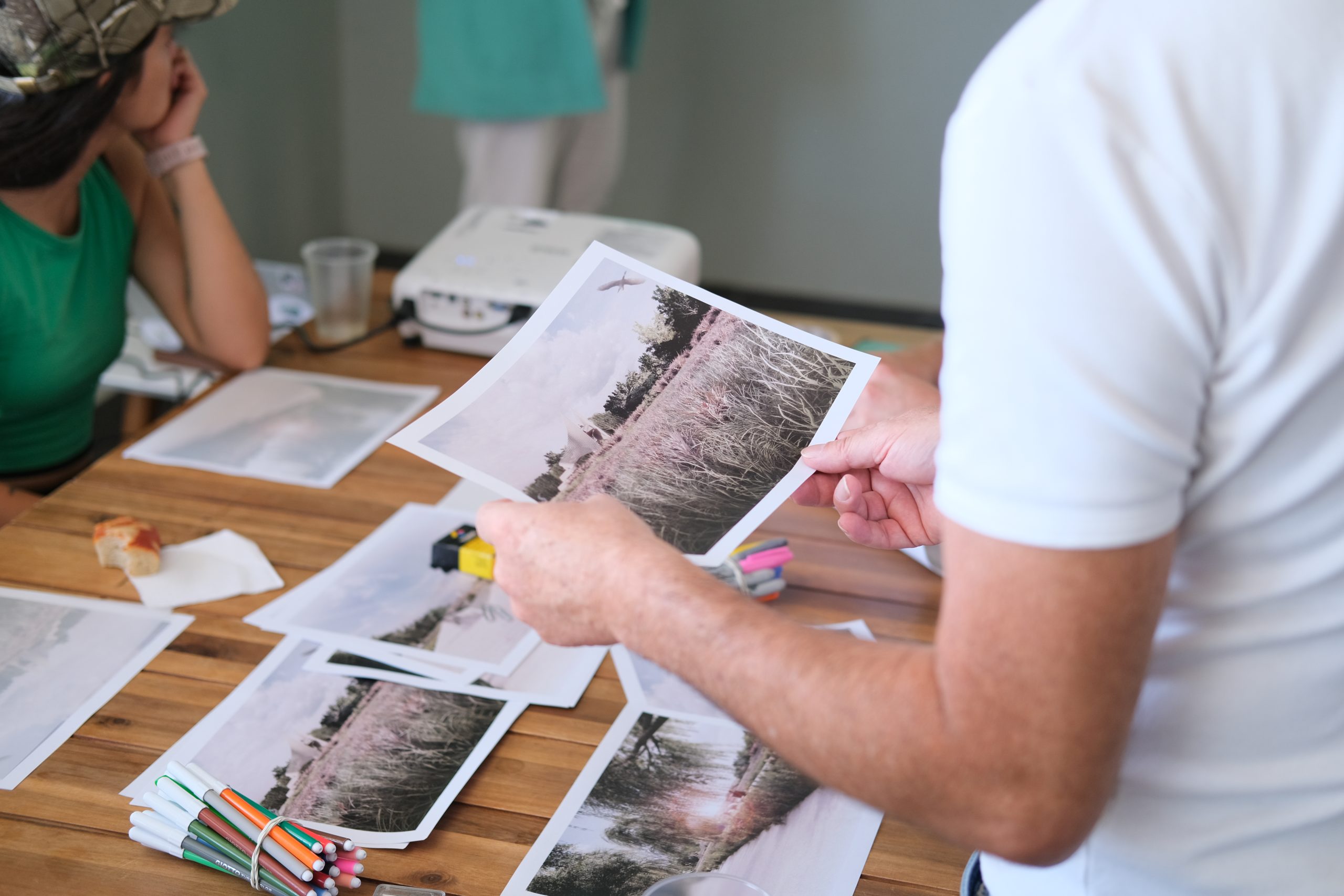
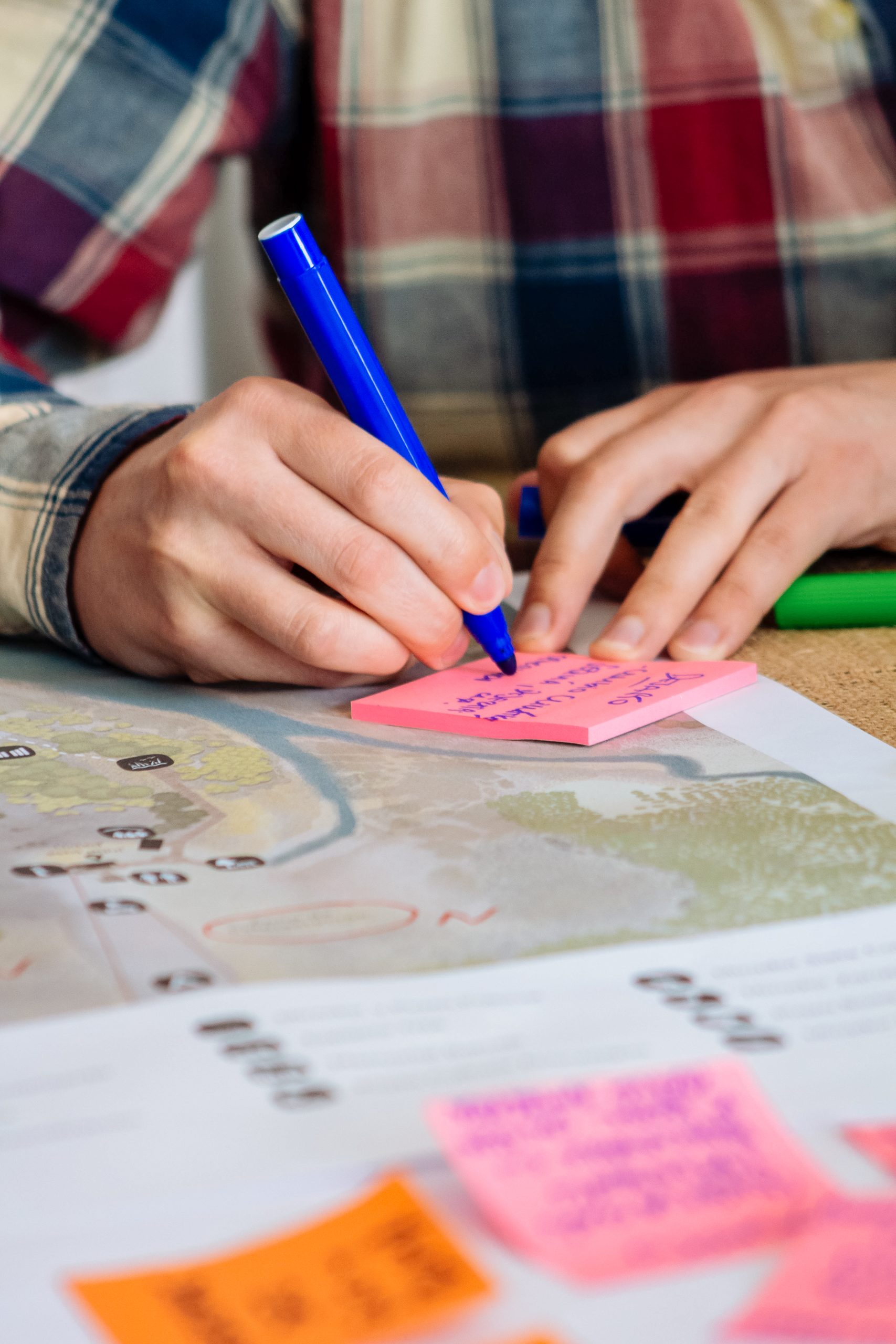
Following the Cosmos Foundation’s methodology for infrastructure development in natural areas, a social and territorial assessment of the wetland was conducted. This assessment allowed for an understanding of the local context and the identification of its key stakeholders. Based on this assessment, a participatory design process was implemented to gather the perceptions, needs, and aspirations of the communities connected to the area.
Through a series of workshops led by the consulting firm URBANCOST , community organizations, authorities, and residents of Concepción and Hualpén jointly defined a vision for the wetland. This process laid the groundwork for the development of a sustainable architecture project that seeks to address local challenges, strengthen social cohesion, and promote ecosystem conservation.
Paicaví Wetland Park Design
Through a participatory process, the communities surrounding the Paicaví wetland expressed their interest in developing a space that strengthens the connection between nature, education, and environmental organizations. In this context, the Park is envisioned as a meeting point for diverse activities, from family outings to educational, artistic, and wildlife observation events.
Taking these proposals into account, the park’s design includes an entrance portal that connects to an environmental education area linked to the Inmaculada Concepción school, incorporating a shaded area and a community garden. In addition, trails are planned through areas of tall vegetation, along with elevated walkways to explore the grasslands, low-impact lighting, and interpretive signage, promoting an experience that respects the ecosystem.
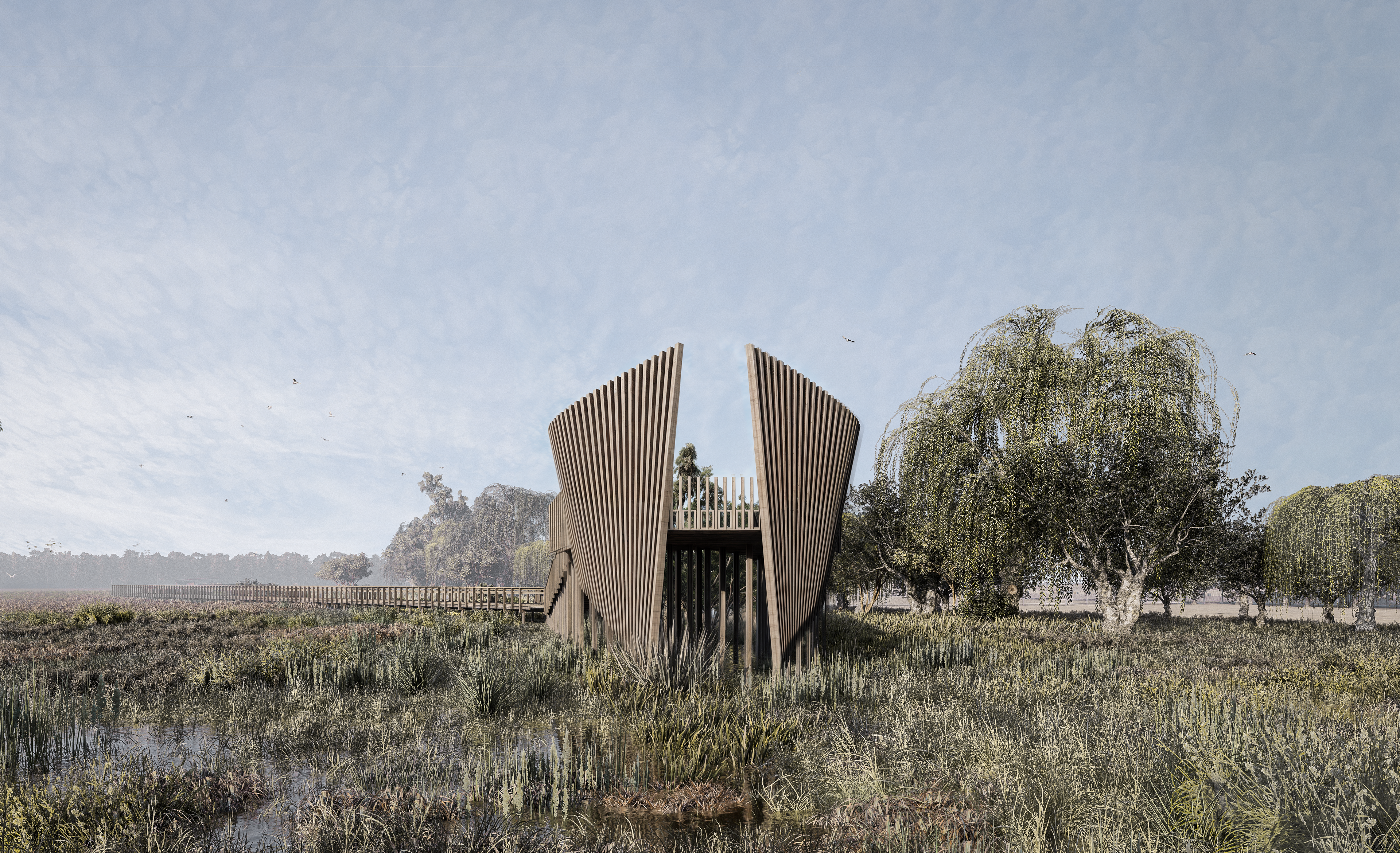
The project also includes the installation of an open space for activities and a lookout point named “Traiwe,” which means heron in Mapudungun. Its architectural design is inspired by the morphology of this bird’s wings and the three stages of its flight—preparation, acceleration, and takeoff—symbolically integrating nature, culture, and experience into the park’s infrastructure.
Paicaví-Tucapel Bajo Wetland
The residents of the Paicaví wetland emphasized their interest in establishing links with academia and environmental organizations , using the lookout point as a meeting point and proposing infrastructure that would serve everything from family outings to artistic activities and wildlife observation.
Based on their proposals, the final design proposes an access portal to an environmental education area connected to the Inmaculada Concepción School, which includes a shaded area and a vegetable garden. Paths in areas of tall vegetation and elevated walkways through the grassland area are also part of the proposal, with environmentally friendly lighting and informative signage.
Biomimicry:
Biomimetic architecture is a contemporary philosophy that seeks sustainable solutions in nature, not merely by replicating its forms, but rather through understanding the rules that govern them.

The project also includes the installation of an open space for activities and a viewing platform named “Traiwe,” which means heron in Mapudungun. The three-stage flight process (preparation, launch, and flight) and the morphology of its wings served as a reference for the architectural design of this facility.
With the proposals already presented to the municipalities of Concepción and Hualpén , the next step is the development of the technical designs and finalize the prioritized application of the two projects to the Urban Improvement and Communal Equipment Program (PMU) to raise public financing that allows its execution.