LIRH: Innovation Laboratory for Wetland Restoration
A laboratory for restoring, learning, and regenerating
The Innovation Laboratory for Wetland Restoration (LIRH) was born from the experience developed in the Río Maipo Wetland Nature Sanctuary, with a clear purpose: to promote the recovery of wetlands from a collaborative, scientific and territorial perspective.
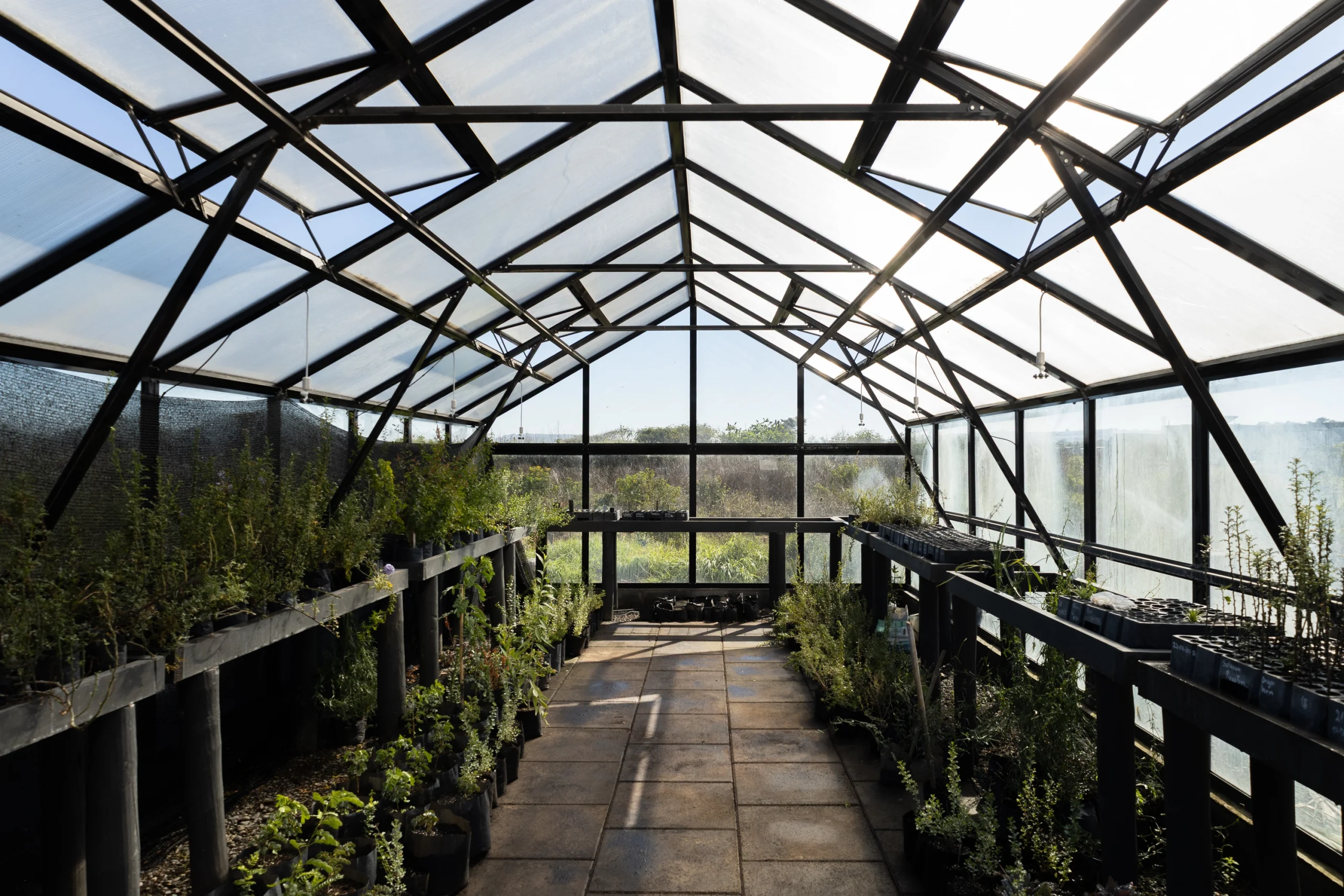
This space aims to generate applied knowledge to address the common challenges of these ecosystems through the testing of restoration methodologies, monitoring their effectiveness, and fostering collaboration among communities, organizations, and institutions. From the propagation of native flora in nurseries to the implementation of techniques in the field, the LIRH promotes continuous, experience-based learning.
More than a project, the laboratory is envisioned as a bioregional platform capable of scaling up solutions, sharing learning, and becoming a replicable model for wetland restoration in central Chile.
An ecosystem of hemispheric relevance
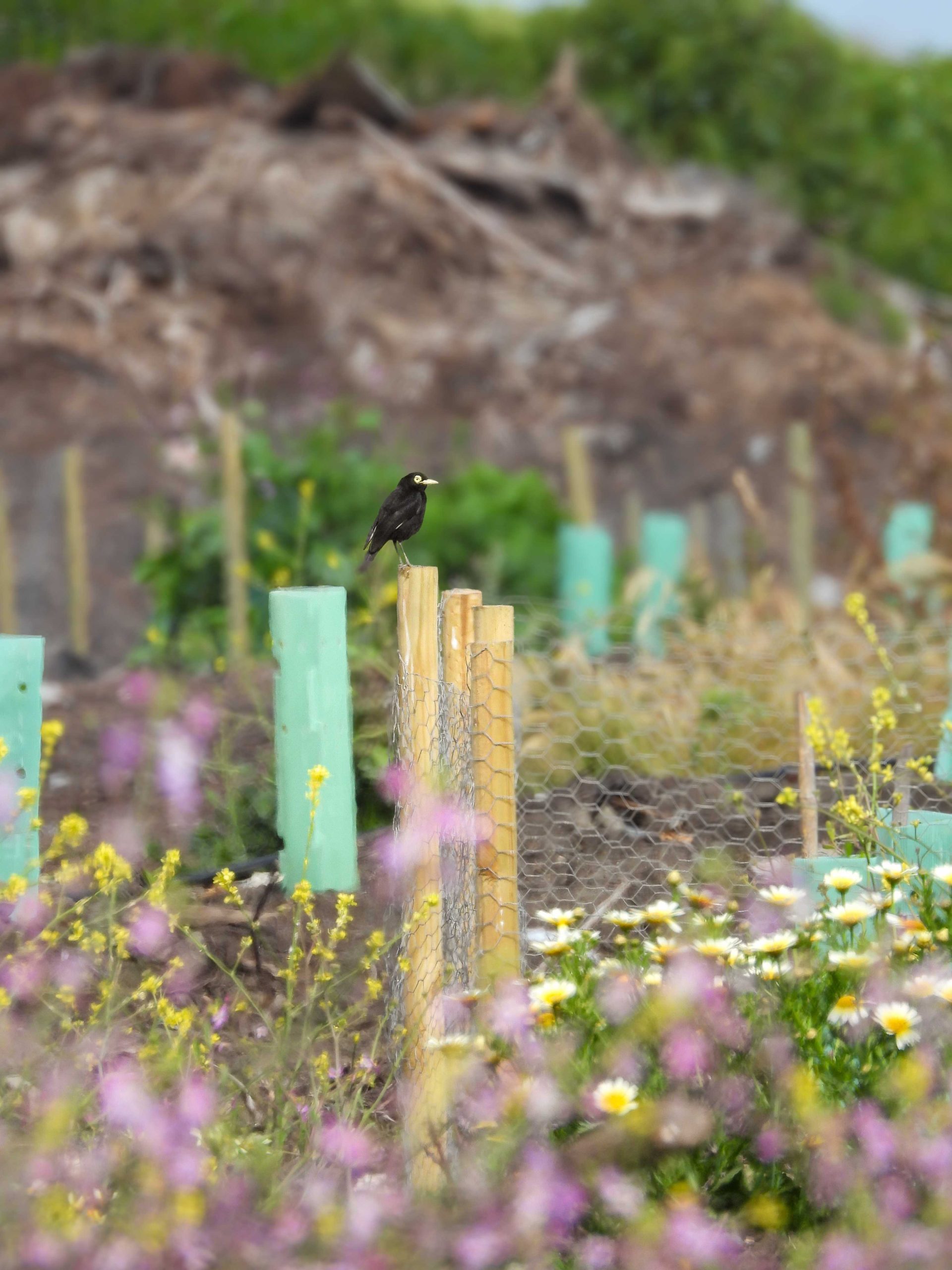
The Maipo River Wetland Nature Sanctuary is one of the most important ecosystems in central Chile. It is home to more than 190 bird species—including over 50 migratory species—and ranks as the second most biodiverse site in the country, playing a key role in nesting, feeding, and resting.
In addition to its ecological value, the wetland fulfills essential functions for the region, forming part of one of Chile’s most important watersheds and receiving over 40,000 visitors annually. Its importance has been recognized internationally, establishing it as a strategic site for conservation on a hemispheric scale.
From degradation to regeneration
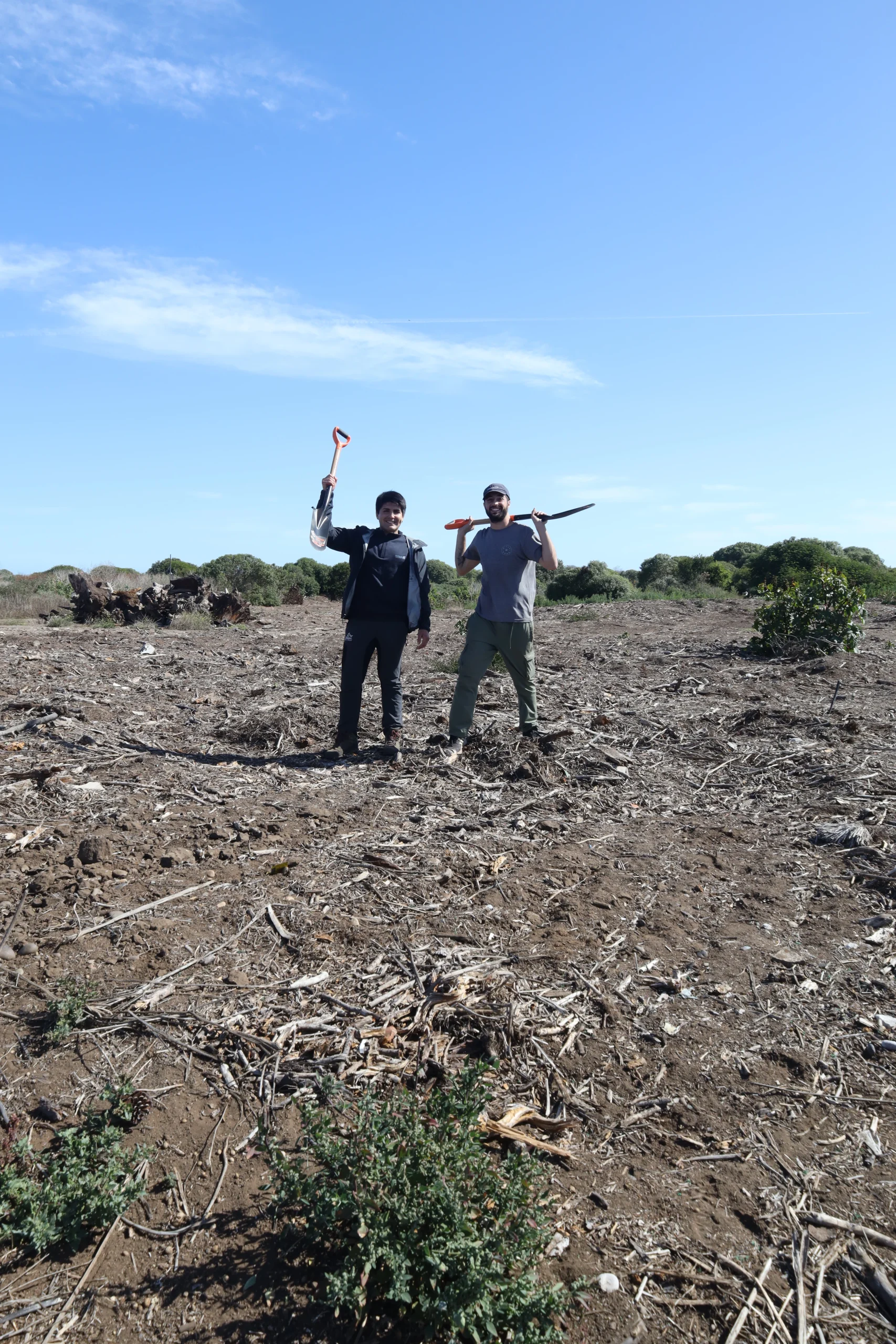
For decades, parts of the sanctuary were used as dumps for plant waste, garbage and rubble, severely affecting its ecological functions and its relationship with the communities.
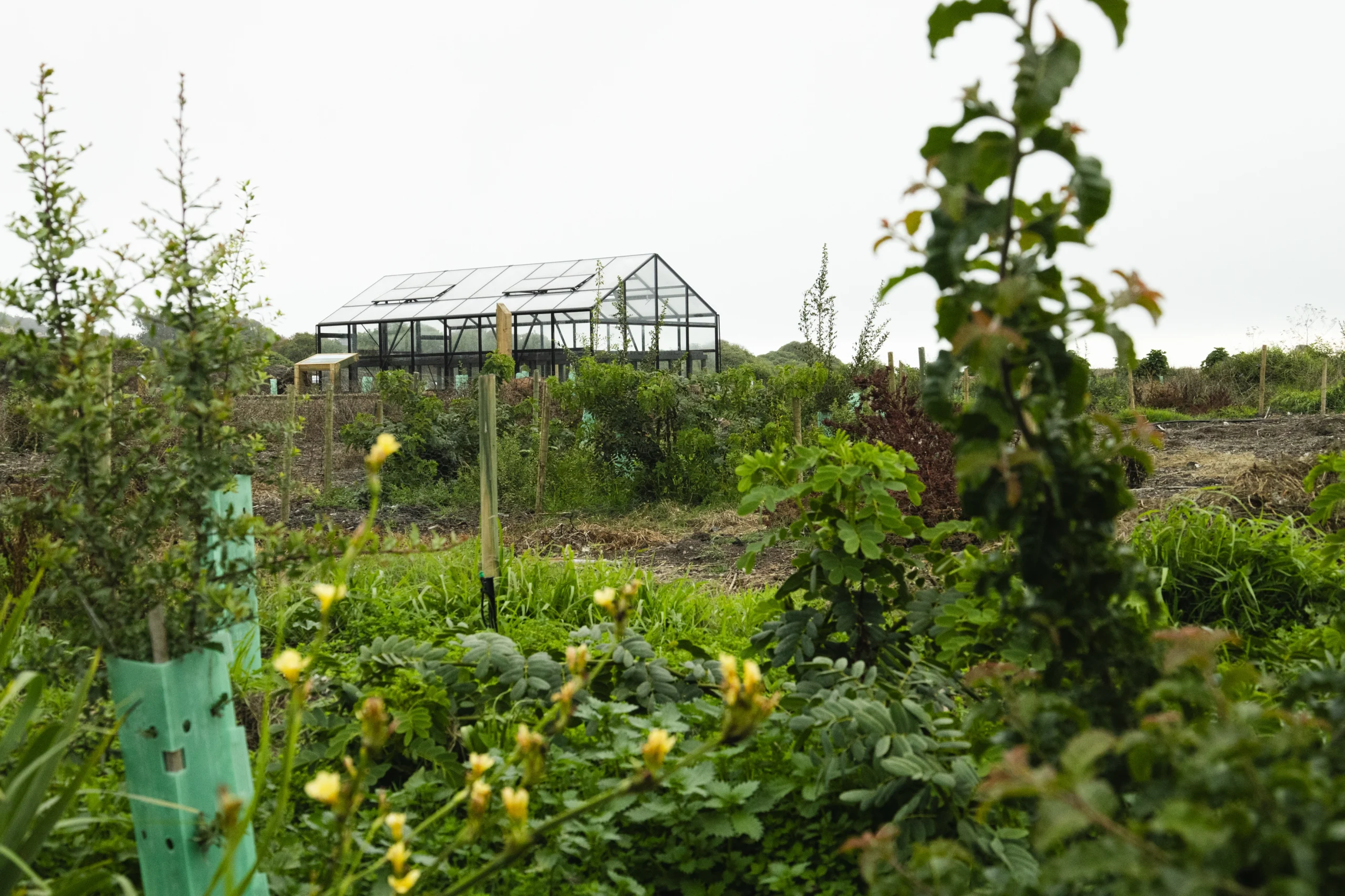
In 2023, the Cosmos Foundation launched the Comprehensive Recovery Program for the Río Maipo Wetland Nature Sanctuary, funded by the Valparaíso Regional Government, with the aim of restoring three degraded hectares and reactivating the link between people and their environment.
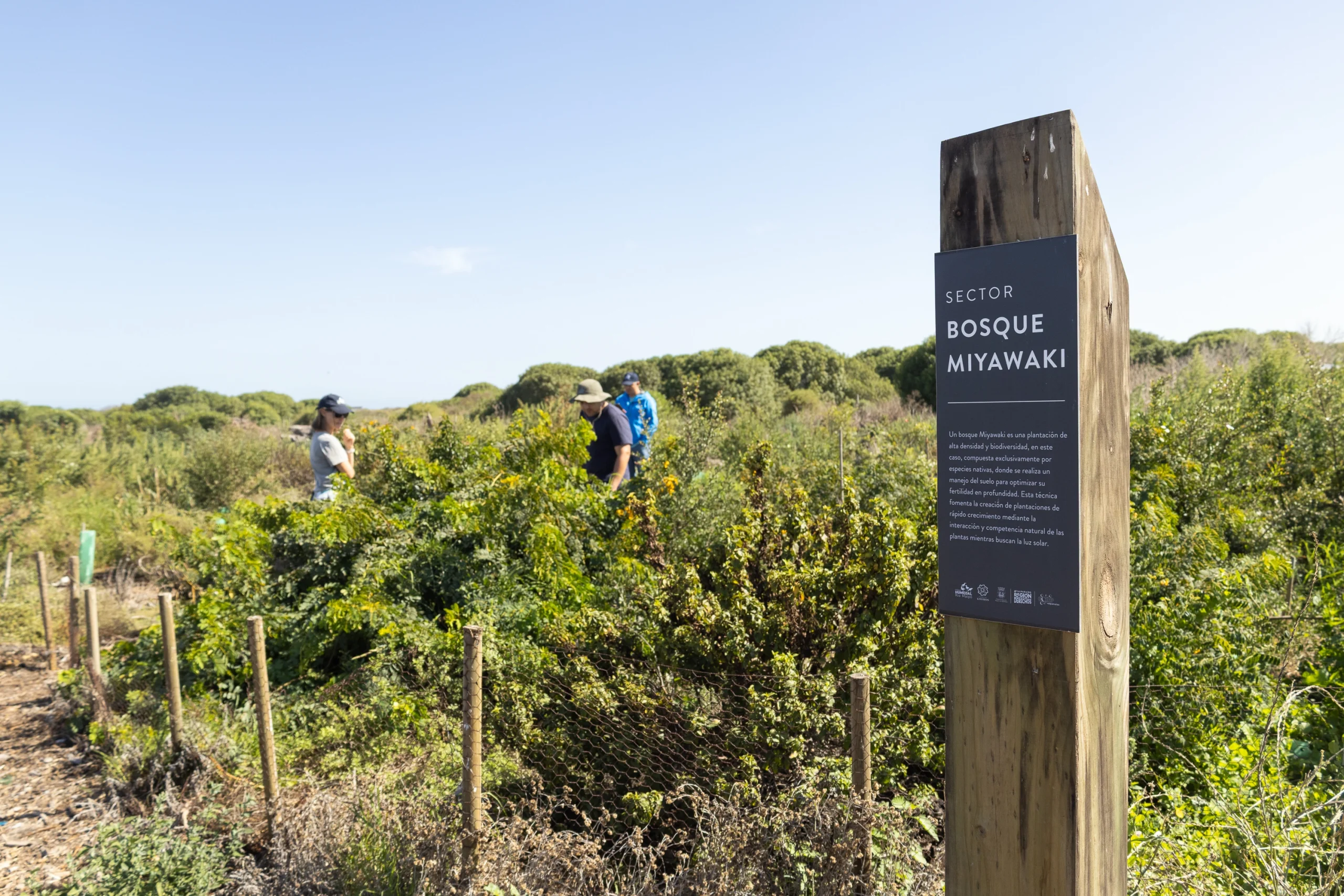
Through this program, more than 10,600 m³ of waste were removed and ecological restoration actions were implemented in more than 6,500 m², including the planting of native species, the installation of regeneration nuclei and the application of innovative techniques adapted to the local context.
Science and community as drivers of change
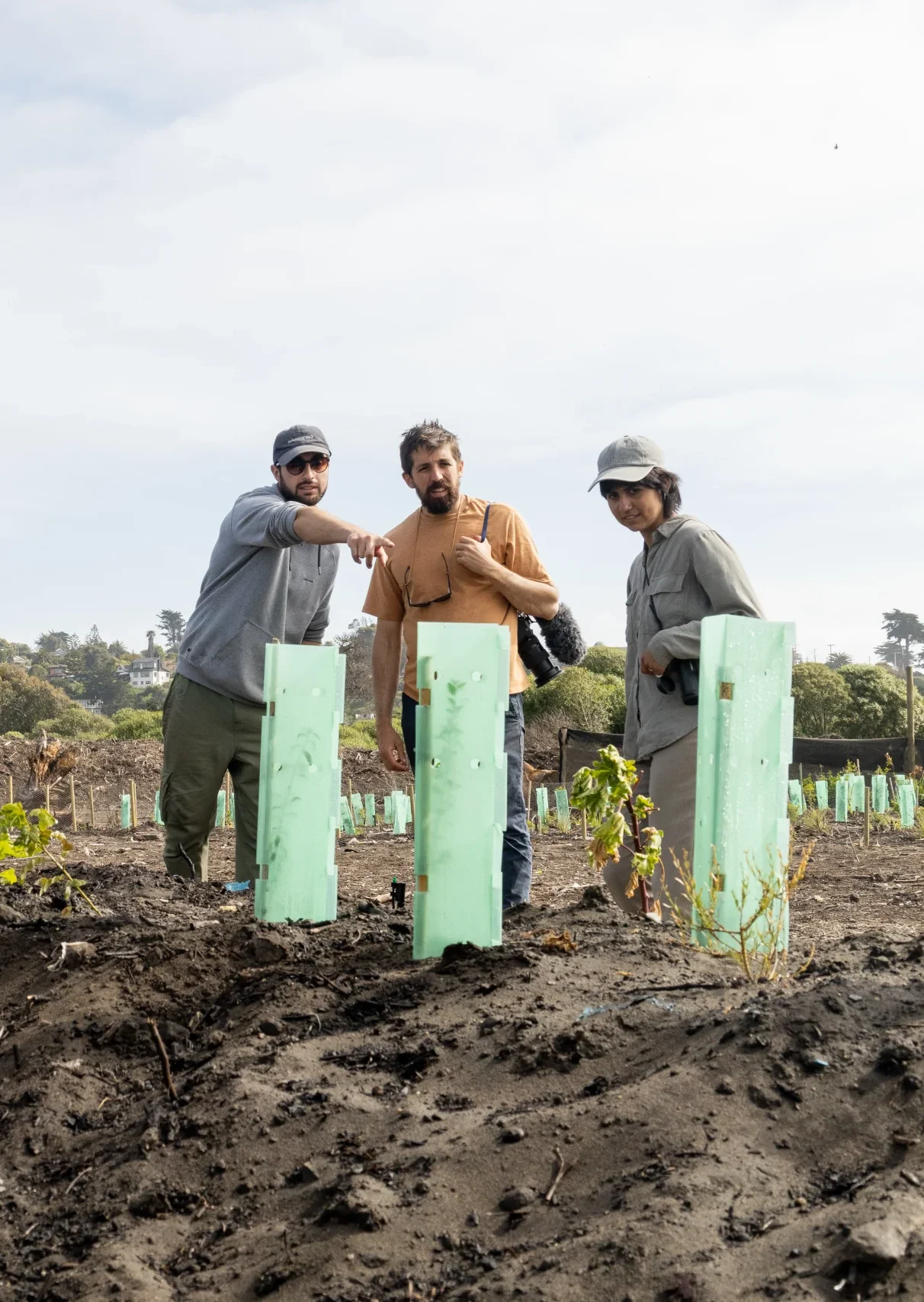
The restoration process was developed from a socio-ecological perspective, combining scientific knowledge with active community participation. Through volunteer work, certified courses, seminars, and open activities, local capacities were strengthened and a culture of wetland stewardship was promoted.
This work not only made progress in ecological recovery, but also in building a community committed to its territory, generating collective learning and replicable tools.
A platform to scale impact
The LIRH (Laboratory for the Research and Development of Wetlands) gathers and projects this experience, establishing itself as a space for experimentation, learning, and collaboration. Through the generation of applied knowledge, collaboration among stakeholders, and the implementation of innovative solutions, the laboratory seeks to amplify the impact of restoration beyond the Maipo River Wetland.
Its aim is to become a bioregional platform that addresses the challenges of wetland degradation in central Chile, providing concrete solutions based on experience and open to being shared and replicated in other territories.