Alma House – Florida
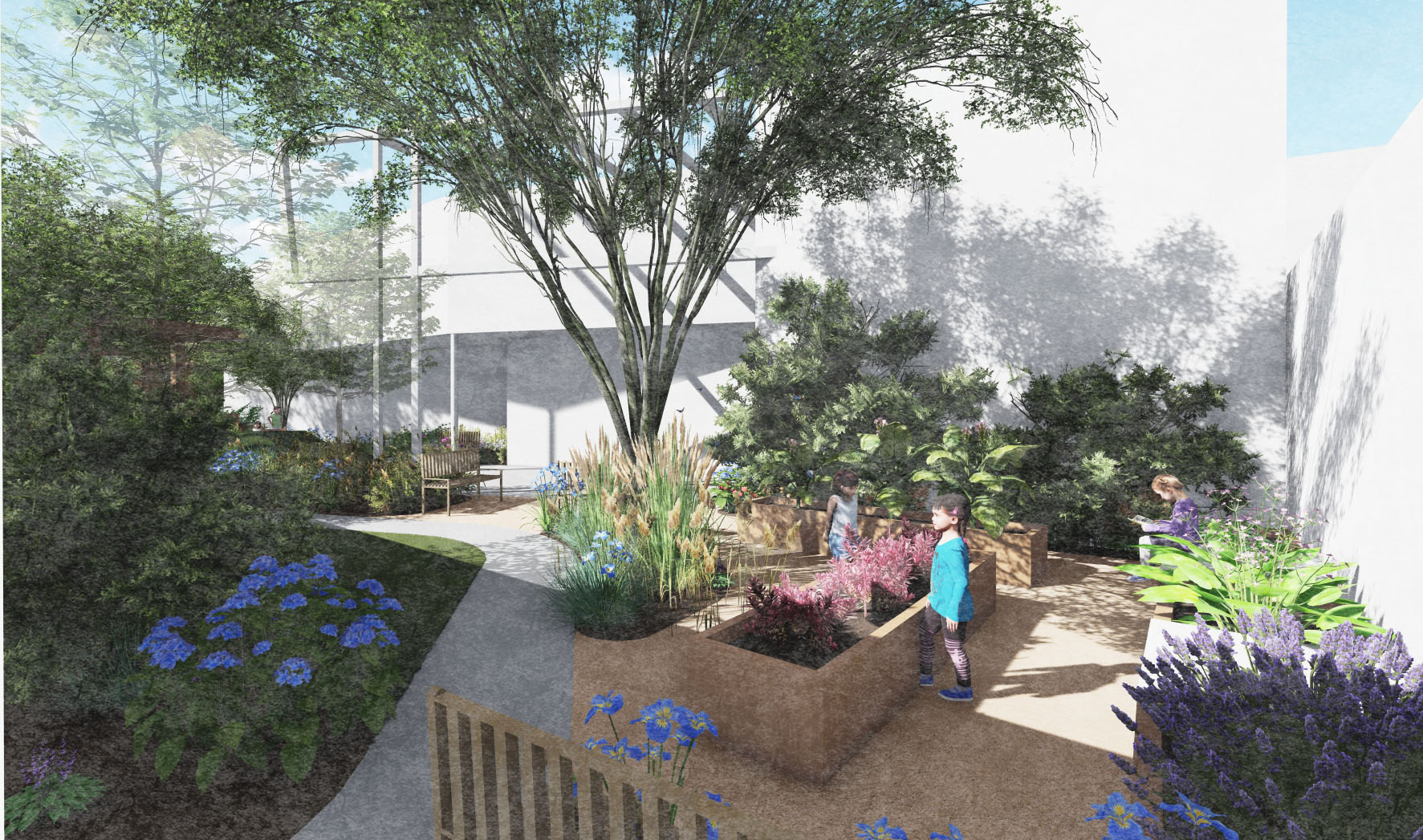
This project is one of two pilot projects for the María Ayuda Corporation’s new therapeutic intervention management model. Called “Casa Alma,” this new approach seeks to promote the comprehensive development of the children it fosters, transitioning them from a protective care home to a therapeutic care home. The model involves management, intervention, and infrastructure, with kindergartens playing a special role due to the importance of recreation and play in children’s lives.
Recognizing the therapeutic and healing power of nature, the Cosmos Foundation is collaborating with this new model of the María Ayuda Corporation, designing healing and therapeutic gardens and adapting its experience in health facilities to the needs of children and adolescents with complex trauma.
Gardens to heal trauma
The children fostered in María Ayuda’s homes are vulnerable children who have suffered complex trauma. That is, they are children who have been exposed to traumatic events within their care environment, impacting their safety, stability, and self-esteem, among other factors. In this context, this new model involves healing gardens, providing space for rest, contemplation, and, above all, play, which plays a fundamental role in childhood.
Play is a child’s way of making sense of their physical and social world. In this way, the healing garden can become a place to practice and improve long-standing physical and social skills, while promoting inclusion and fostering understanding and tolerance.
Various therapies can be applied in a garden to treat children, such as play therapy, horticultural therapy, animal therapy, nature therapy, and sensory integration. Any one or a combination of these can be incorporated into a healing garden designed for children, achieving excellent results.
We had the experience of measuring the impact of the healing garden we implemented in the Child and Adolescent Psychiatry Unit of El Salvador Hospital in Valparaíso. At this hospital, the therapeutic garden increased the number of hours of group therapy activities by 35%, reduced the feeling of stress by 70%, shortened recovery times, and reduced physical restraints due to violence by 60%.
Participatory diagnosis and design for girls’ needs
Of the twelve girls who permanently reside in this home, the vast majority have complex traumatic experiences, symptoms of mental illness, an educational gap, or a lack of trust in adults. This reality poses an enormous challenge in designing a kindergarten that adapts to the unique and complex needs of the girls who will live in this Alma House.
Based on a social and community assessment in which staff, girls, and family members from the home participated, three objectives were defined for this healing garden:
- Offering opportunities for multiple and flexible uses within the available space ; utilizing the potential of the land and defining boundaries that provide security based on the needs of each space, avoiding the feeling of being confined and functioning as a place they can use without asking permission.
- To meet Casa Alma’s space needs by incorporating the comprehensive therapeutic infrastructure model, creating spaces that guarantee the physical, emotional, and spiritual development, family bonding, and quality of work for staff.
- Allowing for the development of a stronger identity and sense of belonging to help redefine complex trauma ; designing appropriate environments to restore connection with place and others. And creating spaces that encourage a childhood connected to nature, developing skills or enhancing acquired ones.
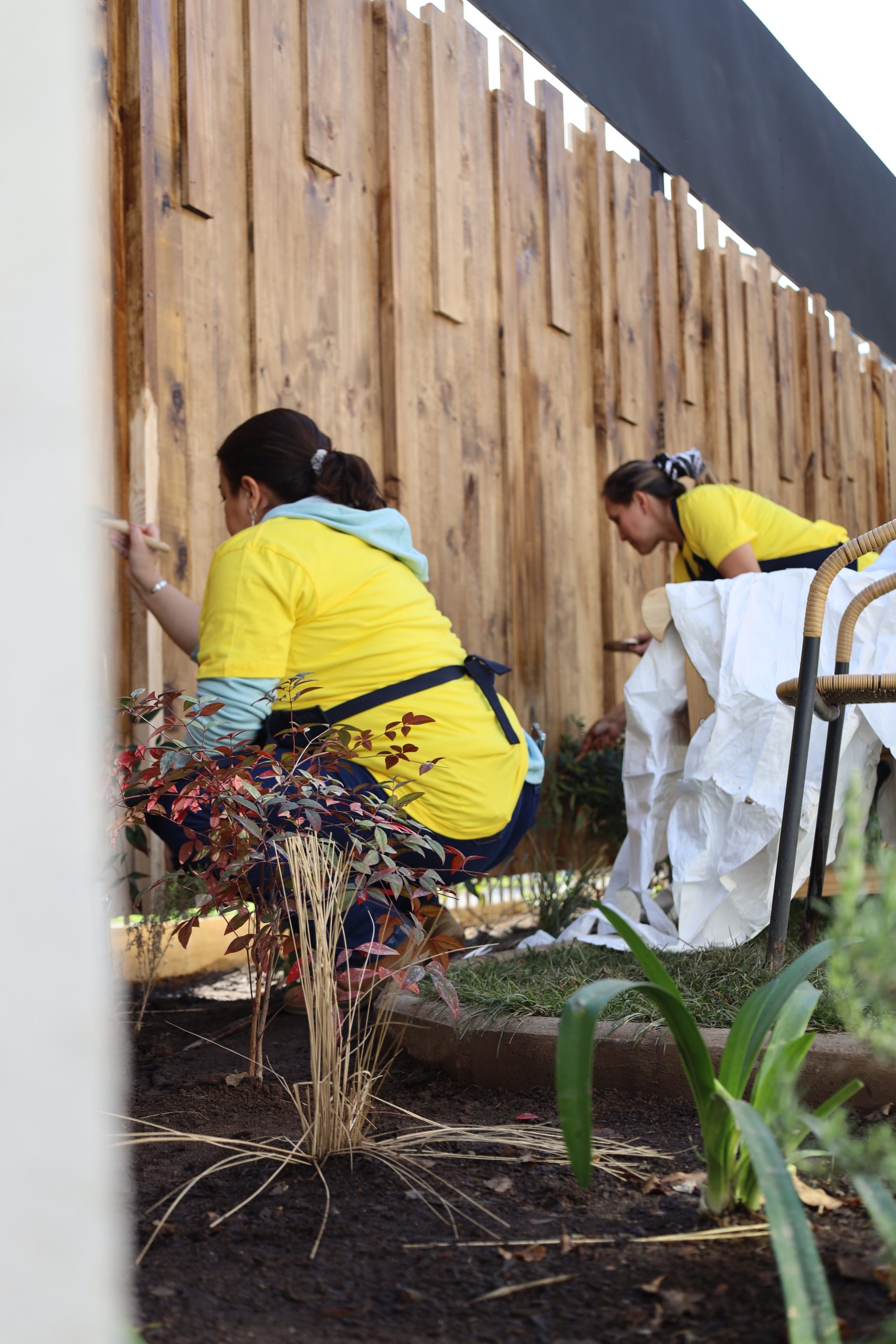
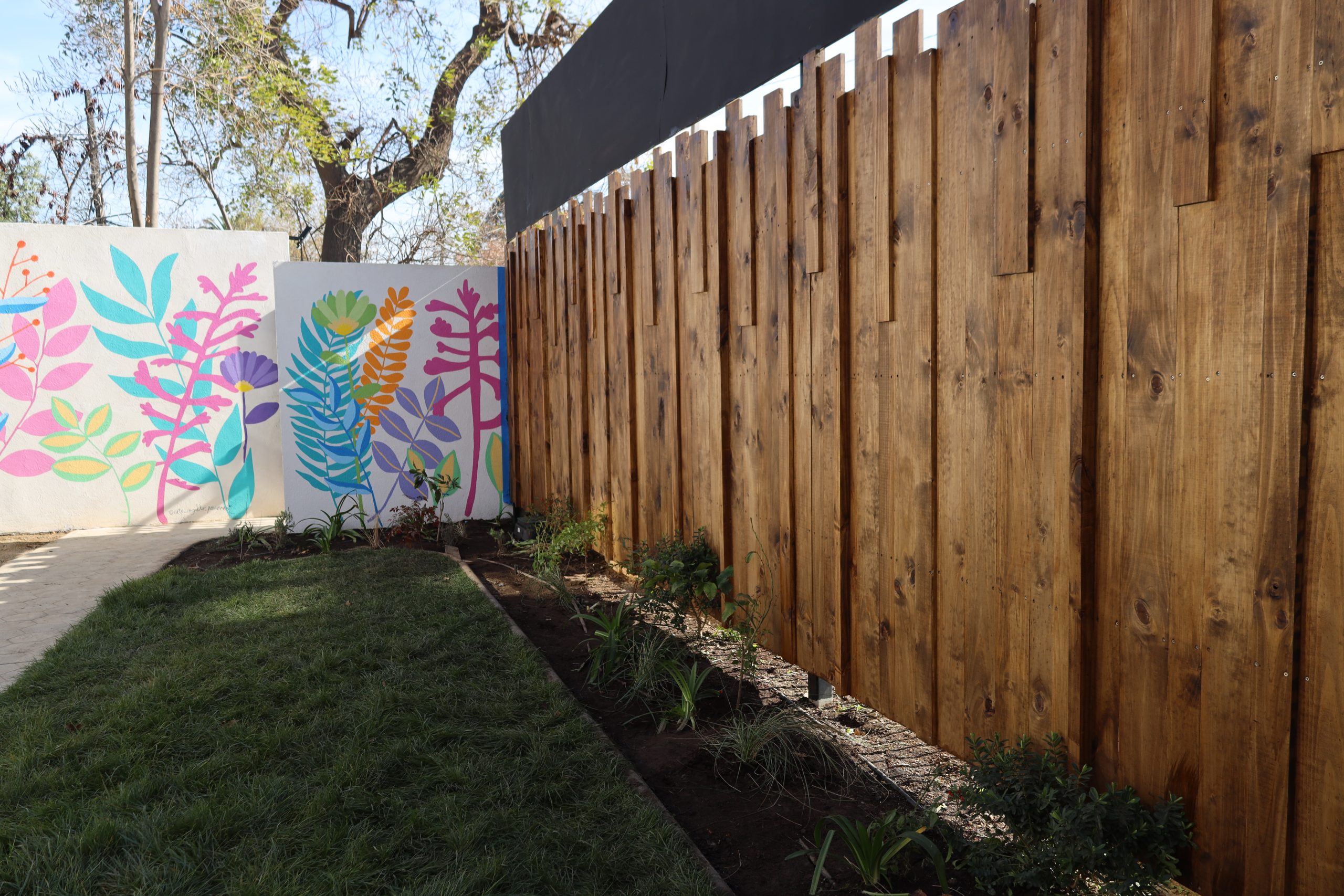
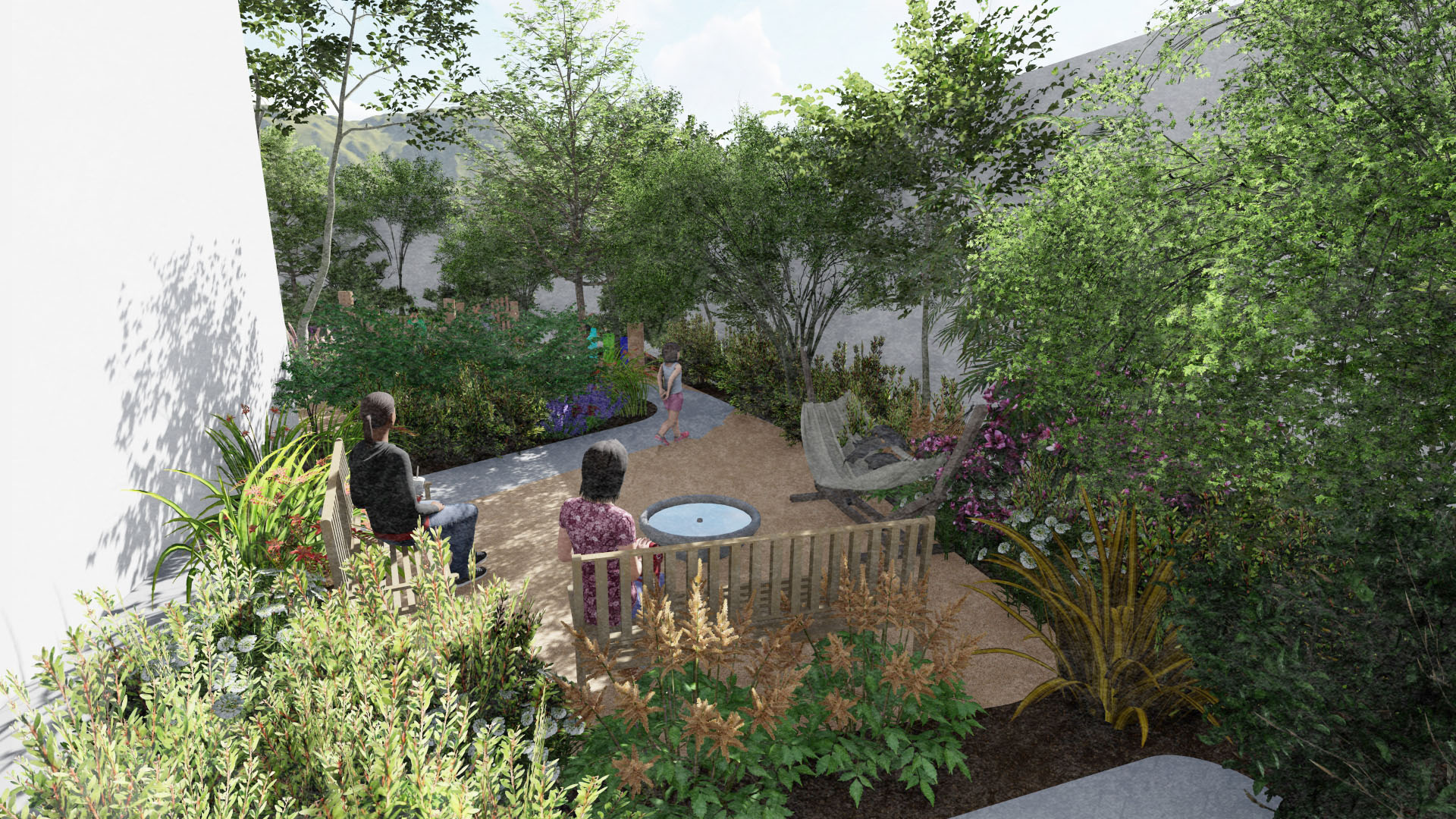
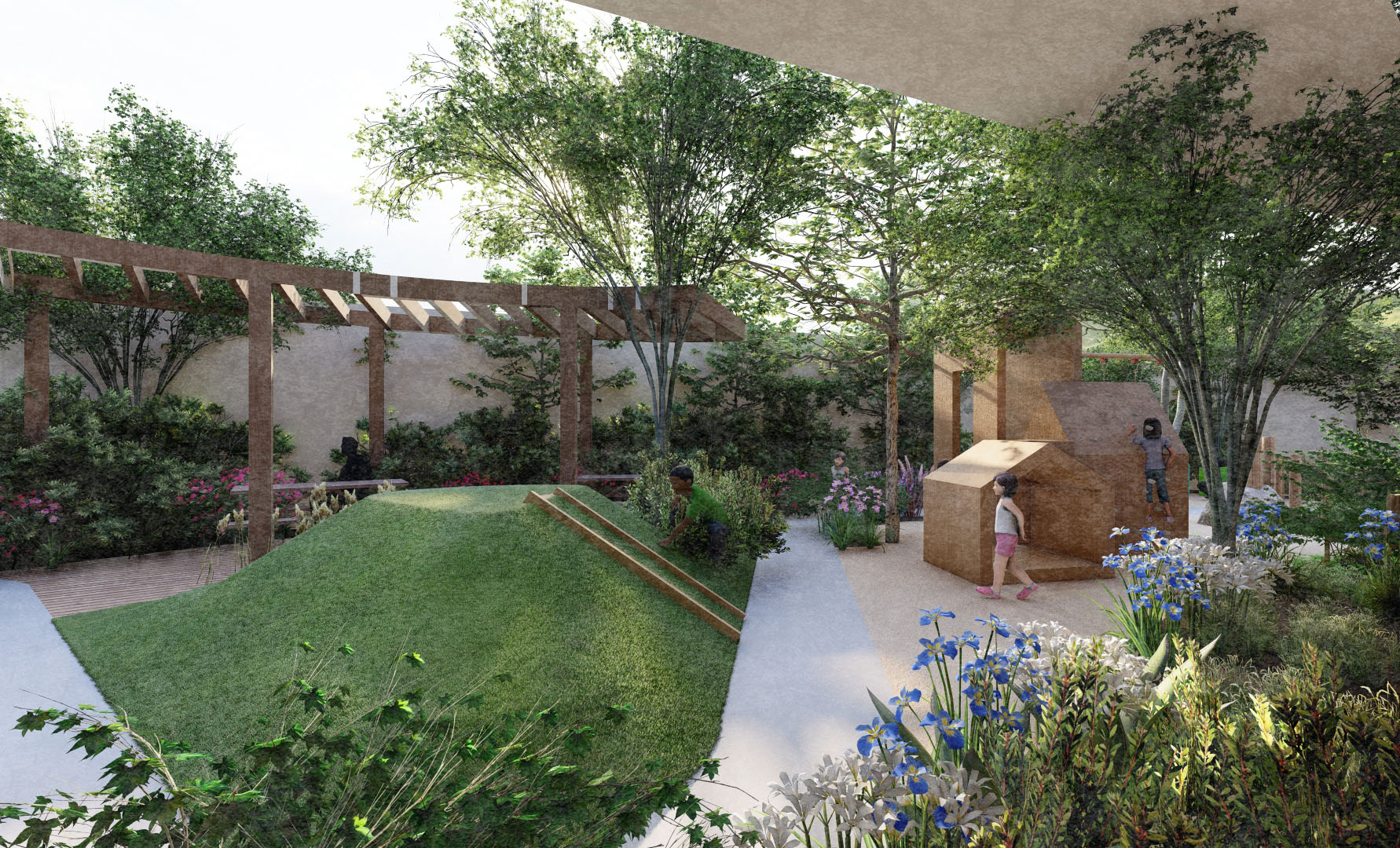
Based on the assessment and participatory activities with the community, a 450 m² garden was designed, featuring an area for staff, a shared space, a vegetable garden, wooden games, an activity and events area, a family visiting area, and a rest and support area. These spaces aim to meet the expectations of staff, girls, and their families by creating an open space that invites them to go outside and develop motor and social skills through play, therapy, and nature.