Alberto Hurtado University

“University students must come to understand that in their field of profession, they are not just technicians, but intellectual workers for a better world.”
Alberto Hurtado Cruchaga
The UAH is a private, non-profit university founded in 1997 by the Society of Jesus with the aim of offering the country an education based on the 450-year-old Jesuit tradition and 200 higher education institutions worldwide. It was conceived as an institution that welcomes and integrates students from different socioeconomic backgrounds, reflecting its location in the central area of Santiago.
Our work with Alberto Hurtado University (UAH) is part of our organization’s founding philanthropic initiatives and continues the work initiated by Alberto Hurtado Fuenzalida from the University’s inception, motivated by his commitment to the institution’s values and educational vision.
Collaboration for academia, education and infrastructure
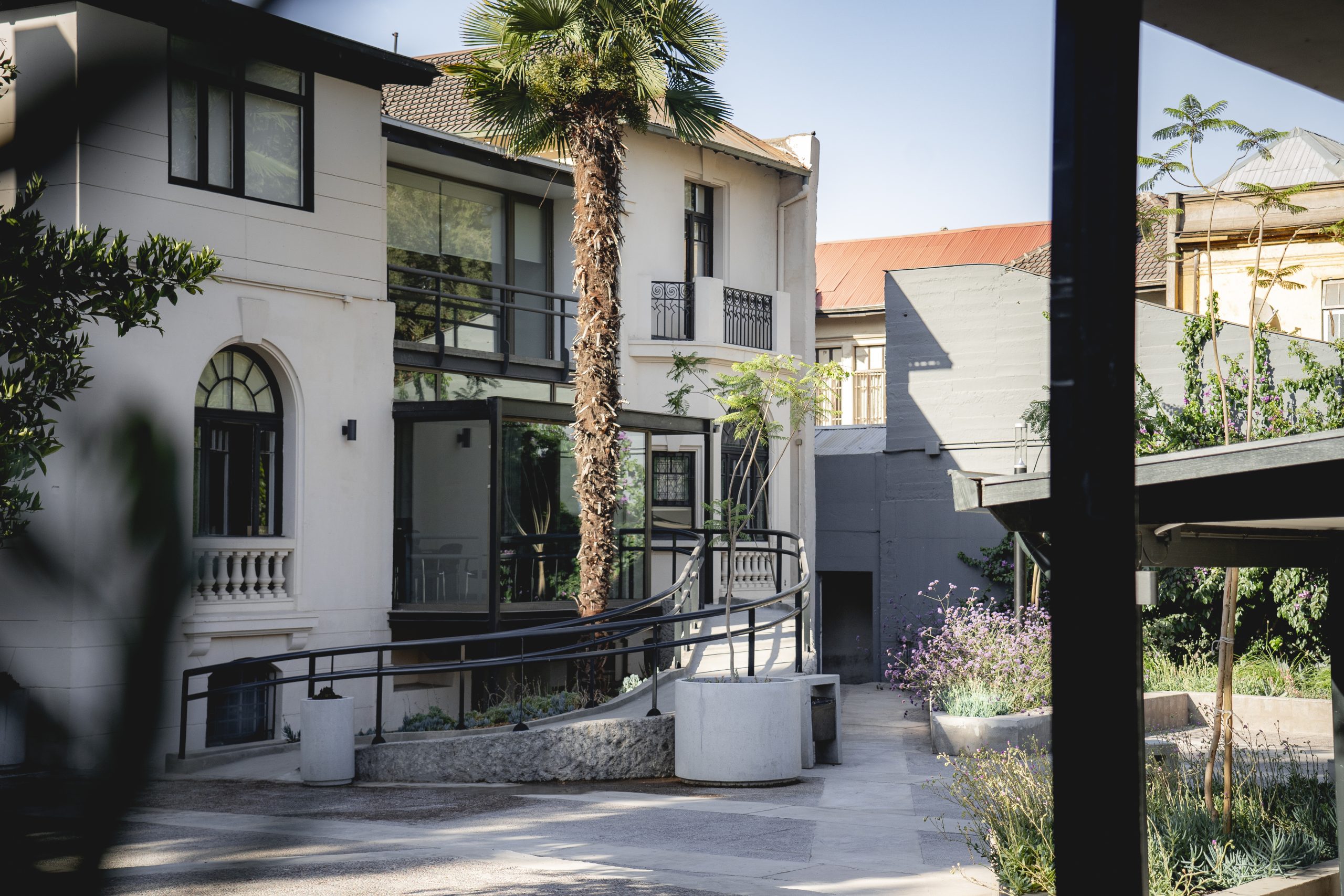
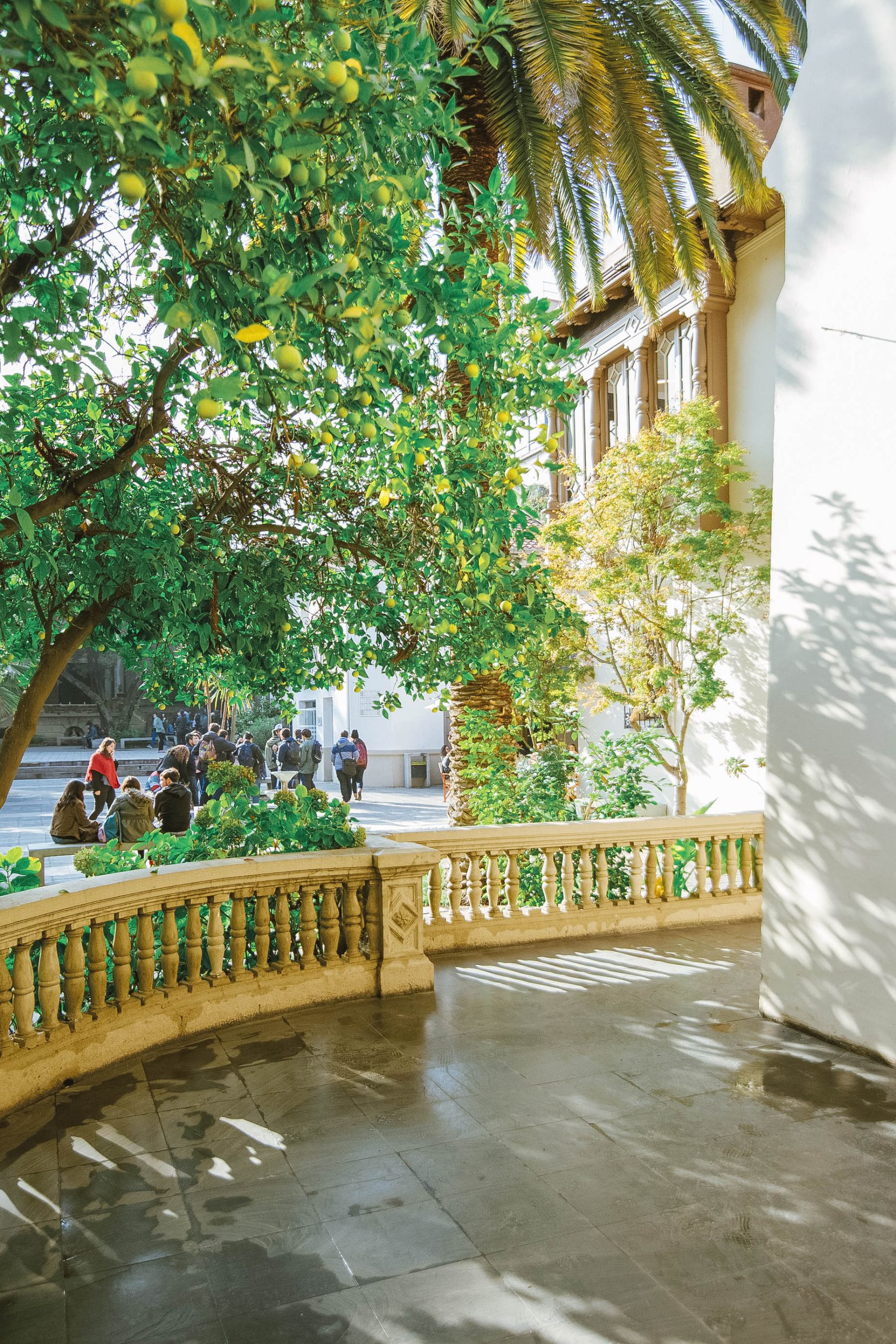
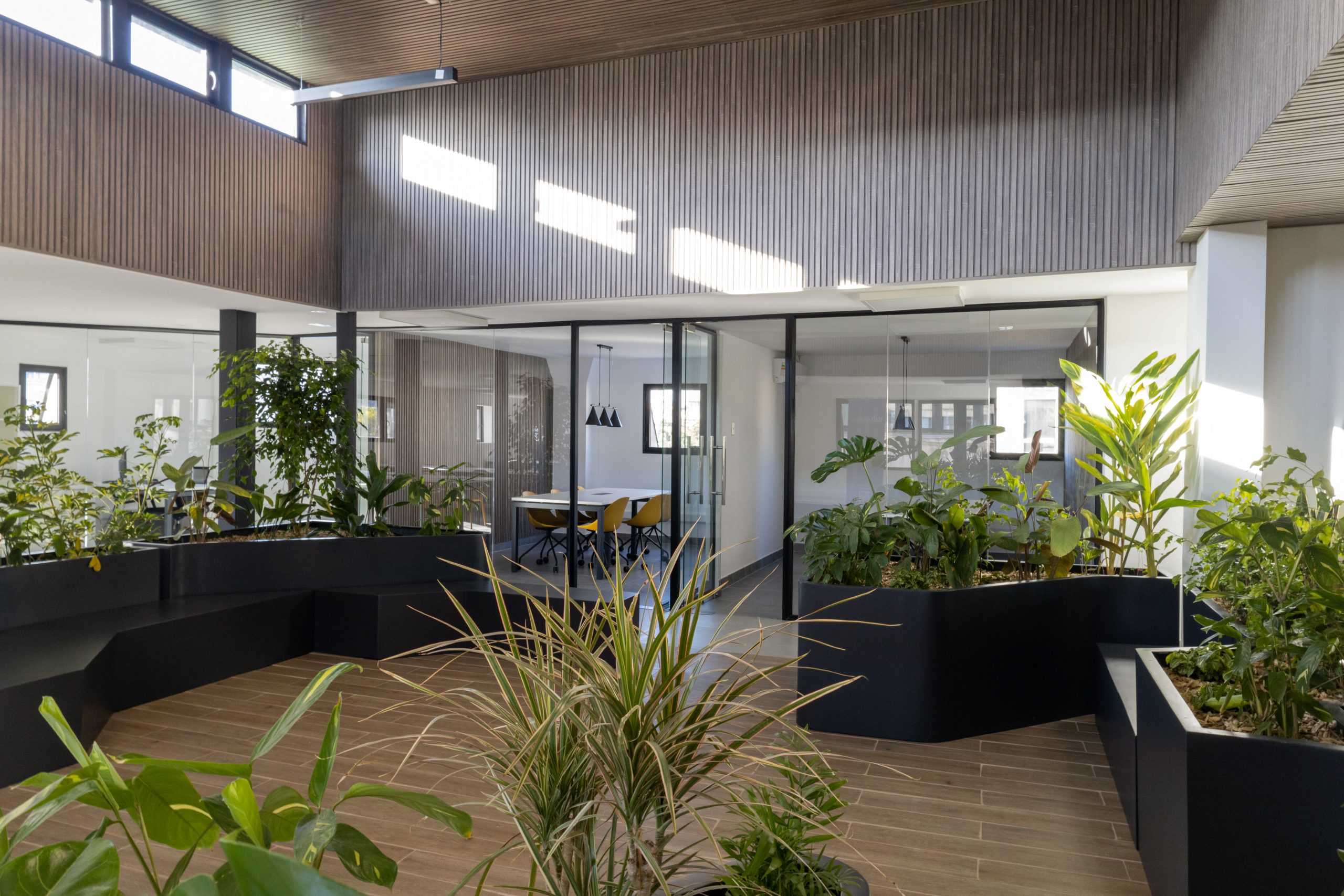
The Cosmos Foundation’s commitment to Alberto Hurtado University is to permanently support the educational project that this institution embodies and promotes. Thus, we have developed a comprehensive plan for common spaces that fosters internal connections between the different faculties that make up the campus, through safe spaces equipped with vegetation, furniture, and good lighting. These spaces also capture the value of the facades of existing buildings to enhance their heritage value and university life.
Furthermore, our mutual collaboration has led us to expand this alliance to the academic and research areas with various faculties, such as:
- Faculty of Social Sciences, Department of Geography; in the development of the Master Plan for the Maipo River Wetland Nature Sanctuary (2020-2021)
- Faculty of Social Sciences, Department of Social Work; in the development and implementation of a Use and Impact Assessment of Healing Gardens
- Faculty of Education; creating a new pedagogical model through the Transformative Nature program.

Infrastructure for university life
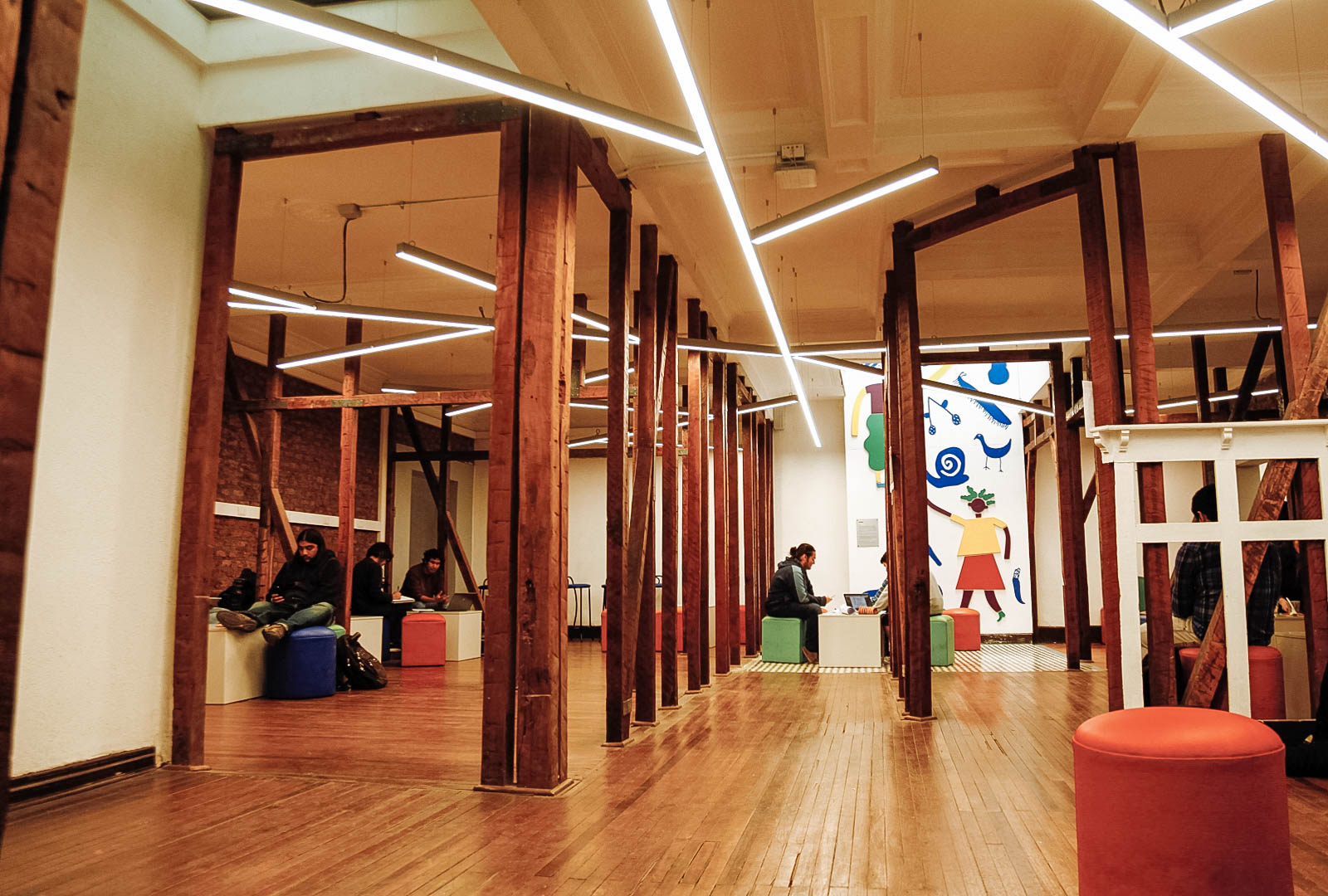
The collaboration between Fundación Cosmos and Fundación Mar Adentro with Universidad Alberto Hurtado has been consolidated as an alliance aimed at strengthening the educational project through the design of significant infrastructure for its community.
From a shared vision of the role of education in building the common good, both foundations have promoted the development of spaces that integrate nature, well-being and university life, accompanying the learning, meeting and reflection processes of students, academics and staff.
Through the design of courtyards, libraries, halls, auditoriums and other spaces, this collaboration seeks to contribute to a more comprehensive university experience, where the quality of the built environment actively contributes to the development of people and their connection with society and the territory.
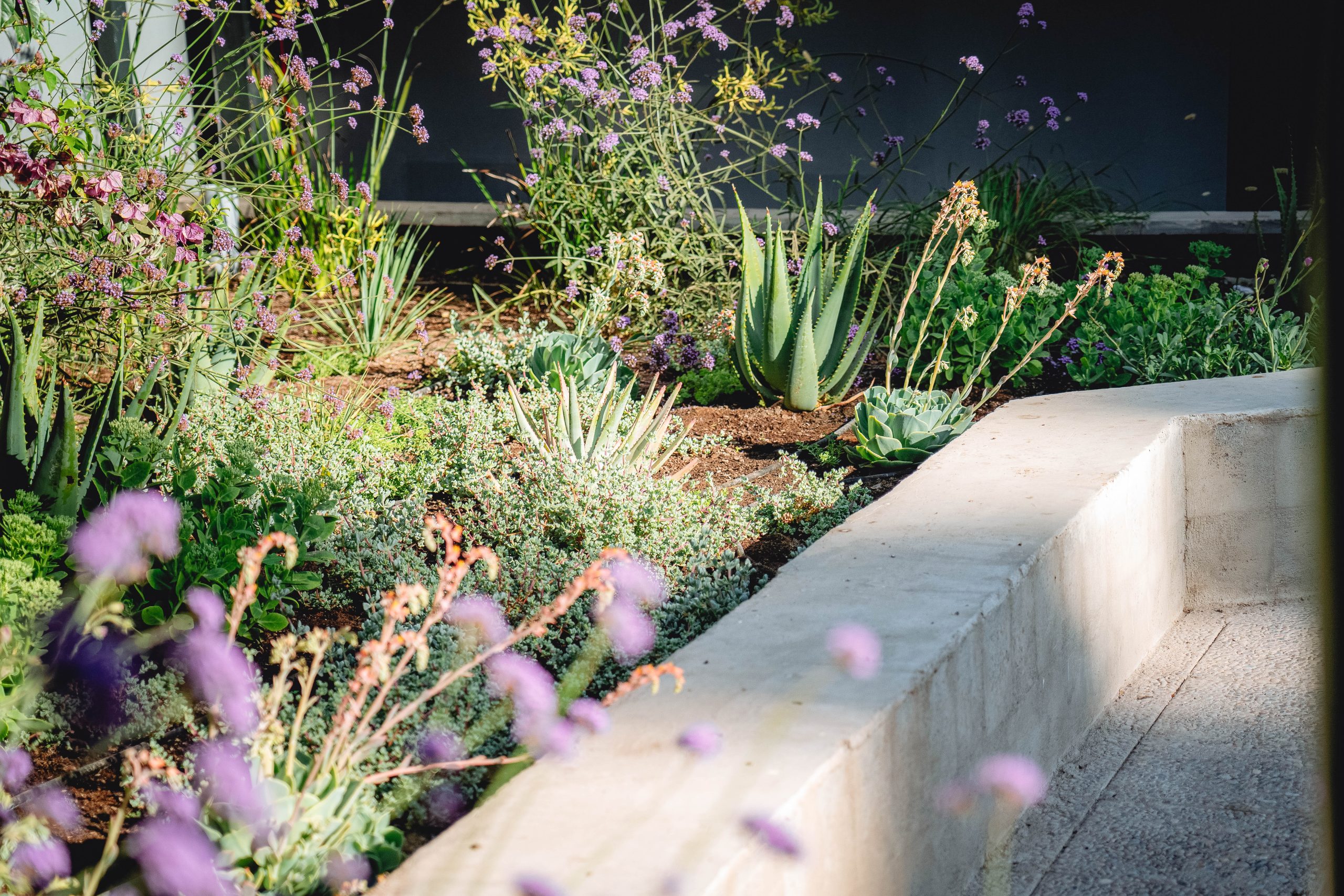
Restoration of interior facades at UAH:
Alberto Hurtado University is located in the heart of Santiago, within the Yungay and Brasil neighborhoods, which have been declared Historic Preservation Districts, as well as a Typical and Picturesque Zone , by the National Monuments Council. Its campus has been shaped over time through the remodeling and connectivity of its spaces and buildings, respecting and safeguarding their heritage value, which has ultimately resulted in a suitable infrastructure for integration and interaction within the city.
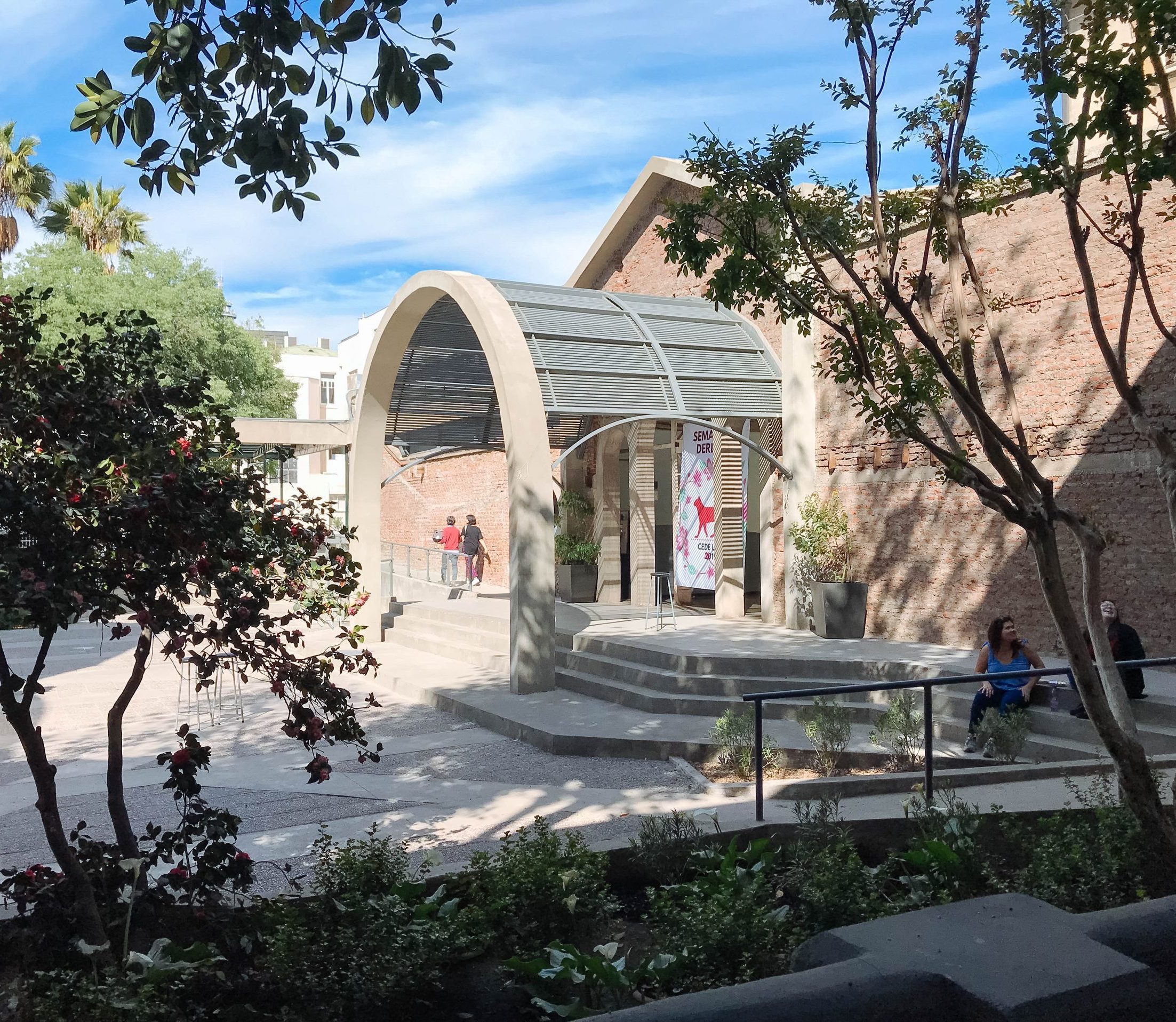
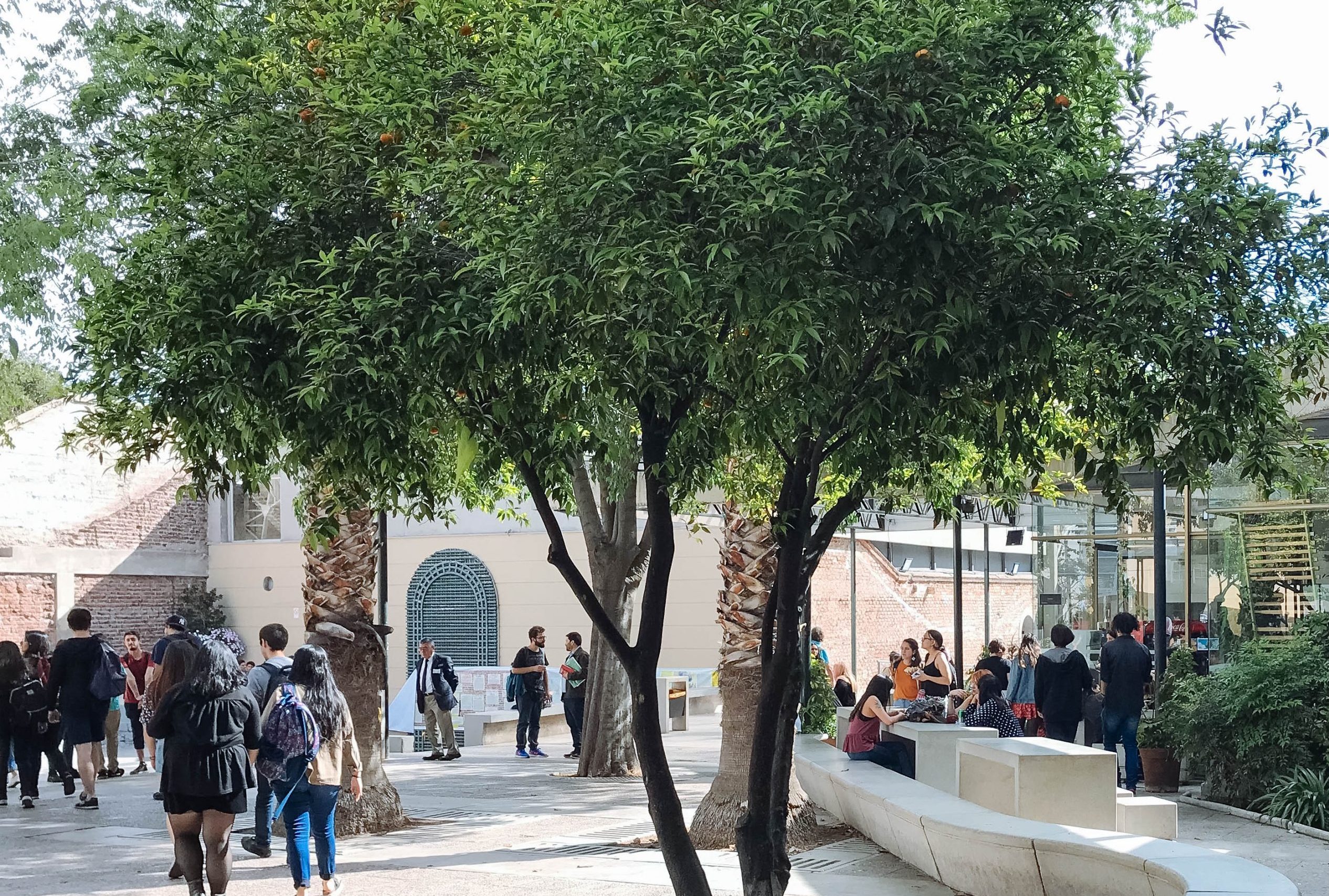
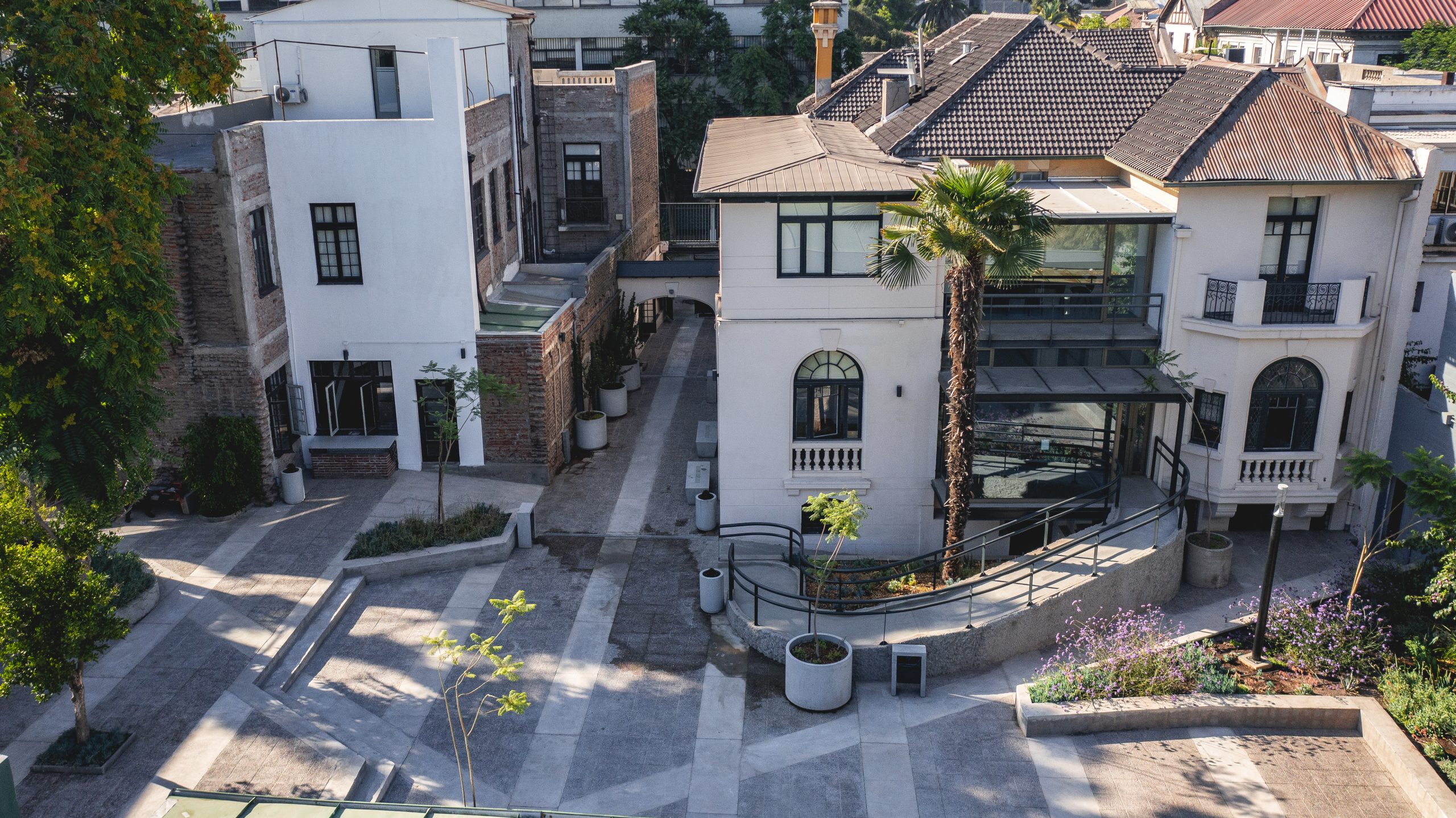
Together with the Mar Adentro Foundation and the professional team from the University of Alcalá (UAH), we worked on the restoration of 12 building facades facing the campus’s inner courtyard. This project continued the work previously done to improve connectivity between the various houses and buildings that make up the university, while also creating a unified landscape for the outdoor spaces and providing new furnishings.
Through the various projects developed within the university, we have sought to contribute to creating welcoming meeting spaces that seek to promote creativity, thought, and the well-being of the university community.
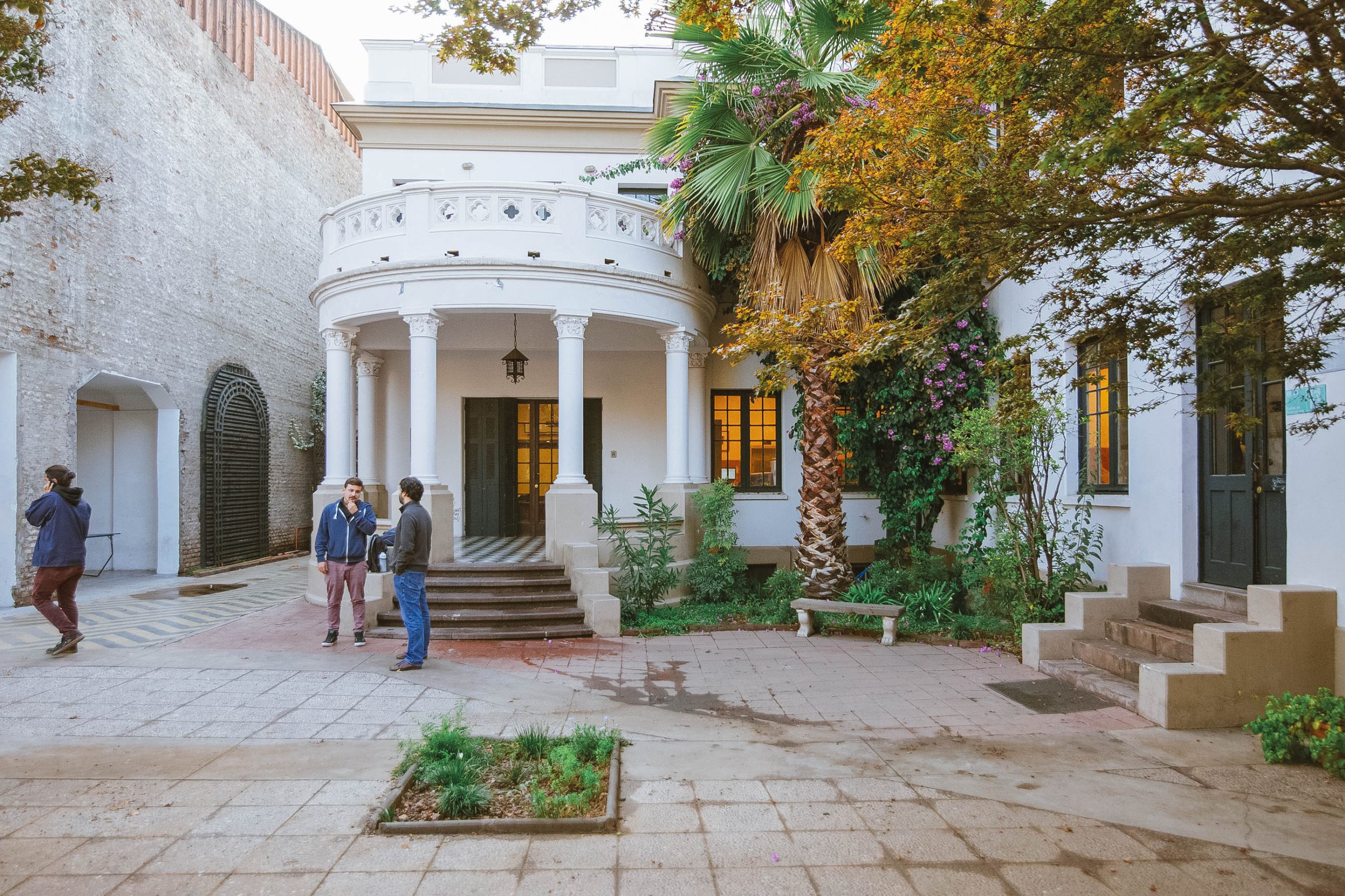
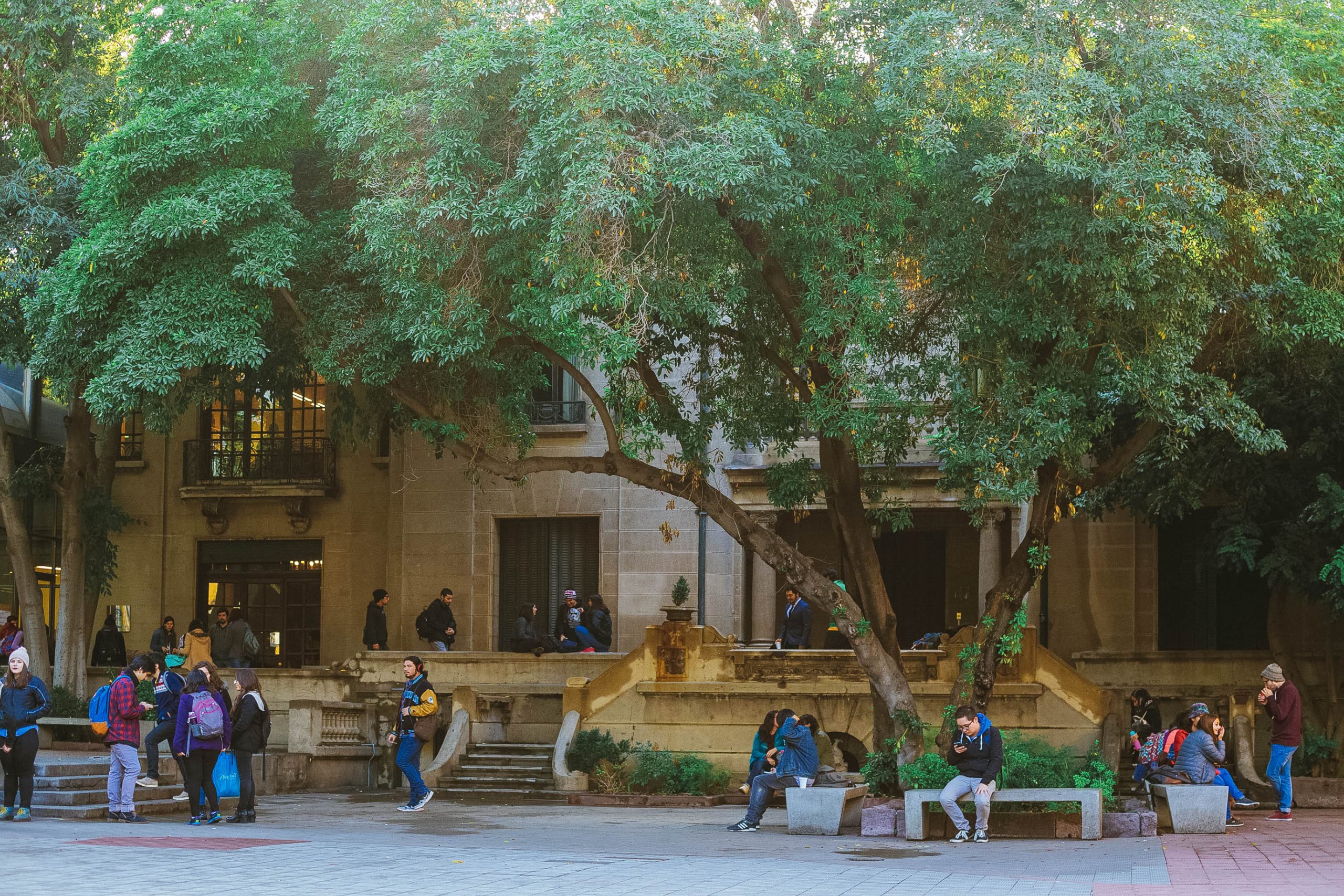
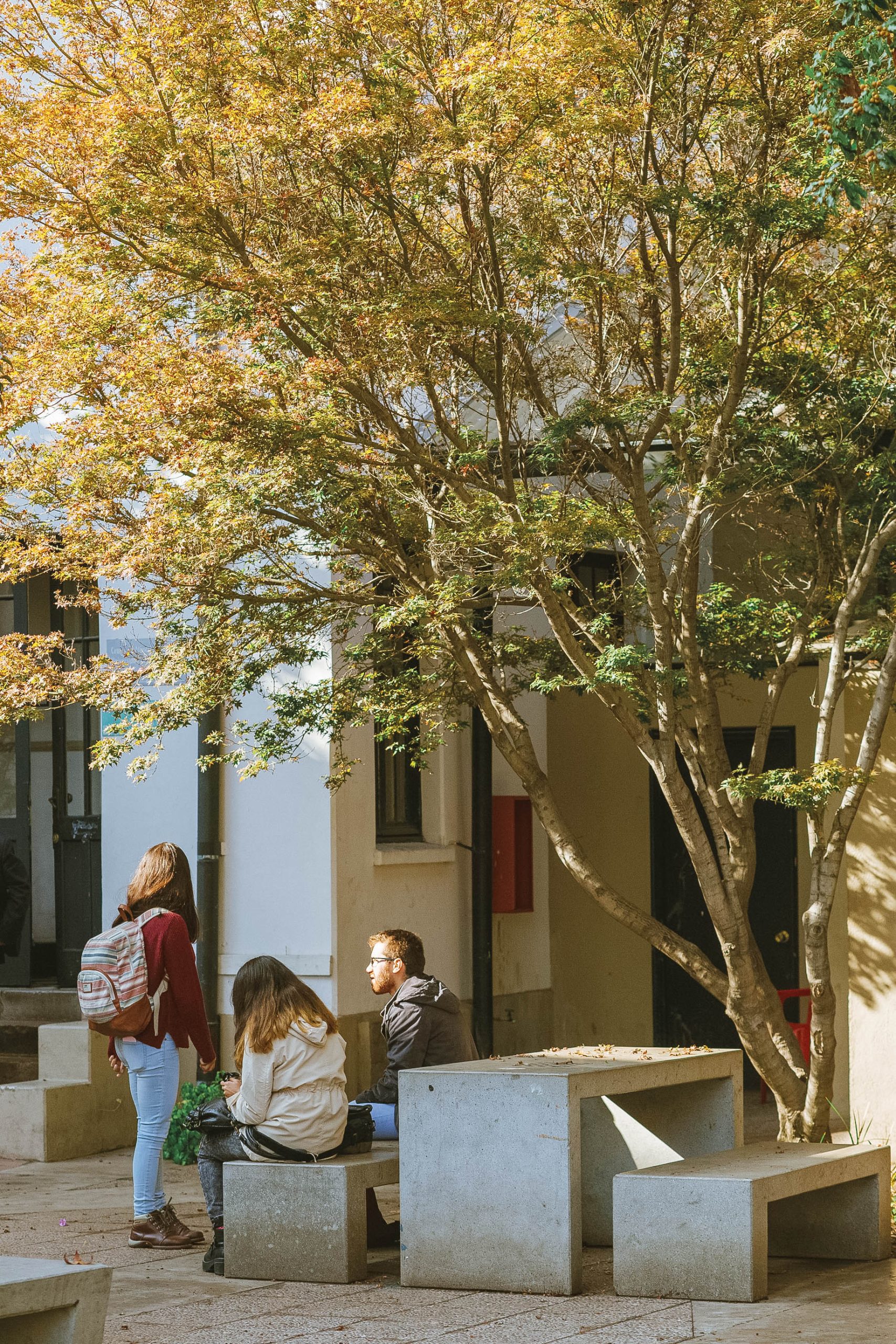
Restoration of interior facades at UAH:
Alberto Hurtado University is located in the heart of Santiago, within the Yungay and Brasil neighborhoods, which have been declared Historic Preservation Districts, as well as a Typical and Picturesque Zone , by the National Monuments Council. Its campus has been shaped over time through the remodeling and connectivity of its spaces and buildings, respecting and safeguarding their heritage value, which has ultimately resulted in a suitable infrastructure for integration and interaction within the city.
Together with the Mar Adentro Foundation and the professional team from the University of Alcalá (UAH), we worked on the restoration of 12 building facades facing the campus’s inner courtyard. This project continued the work previously done to improve connectivity between the various houses and buildings that make up the university, while also creating a unified landscape for the outdoor spaces and providing new furnishings.
Through the various projects developed within the university, we have sought to contribute to creating welcoming meeting spaces that seek to promote creativity, thought, and the well-being of the university community.
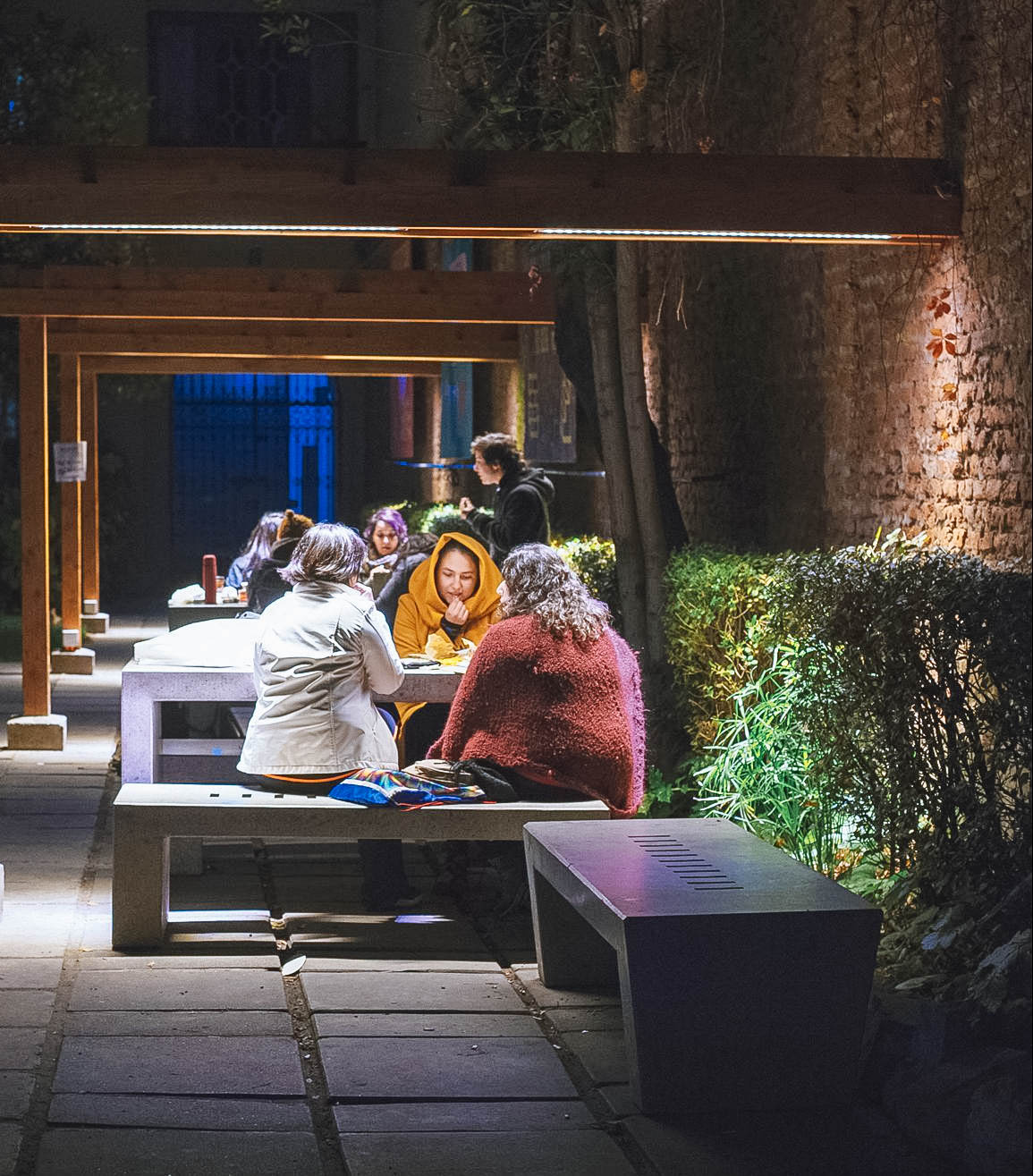
Cienfuegos Campus Courtyards
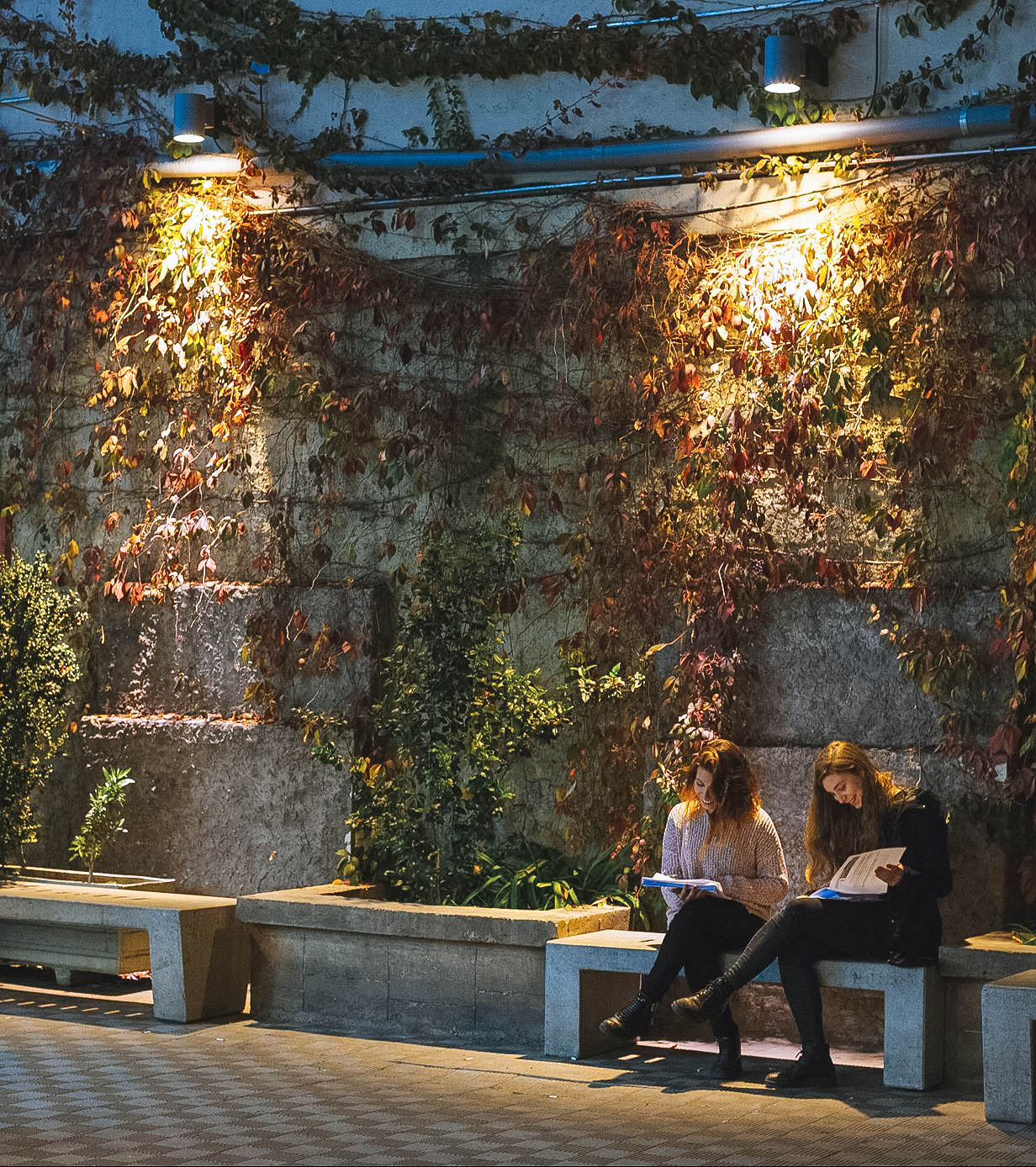
As part of the commemoration of the 28th anniversary of the Alberto Hurtado University, two new courtyards were inaugurated on the Cienfuegos campus, designed as spaces for rest, meeting and university life in contact with nature.
These courtyards aim to strengthen the well-being of students, academics and staff, promoting opportunities for disconnection, study, coexistence and physical activity in an environment that integrates nature and daily life.
These new spaces are integrated into the university’s educational project, providing infrastructure that not only meets functional needs but also seeks to inspire and support the learning process. As its rector, Cristian del Campo SJ, pointed out, these courtyards, “full of nature and beauty,” are expected to be an act of resilience and hope, capable of motivating students to reach their full potential during this stage of their lives.