The Clinic | Environmental Education: A Call to Action
- Publicado el 26.01.2024
- Escrito por Angel Fondon
The executive director of the Cosmos Foundation and the dean of the Faculty of Education at the UAH state that “it is time for public policies to recognize the need to incorporate Environmental Education into the school curriculum in a structured and sustainable manner.”
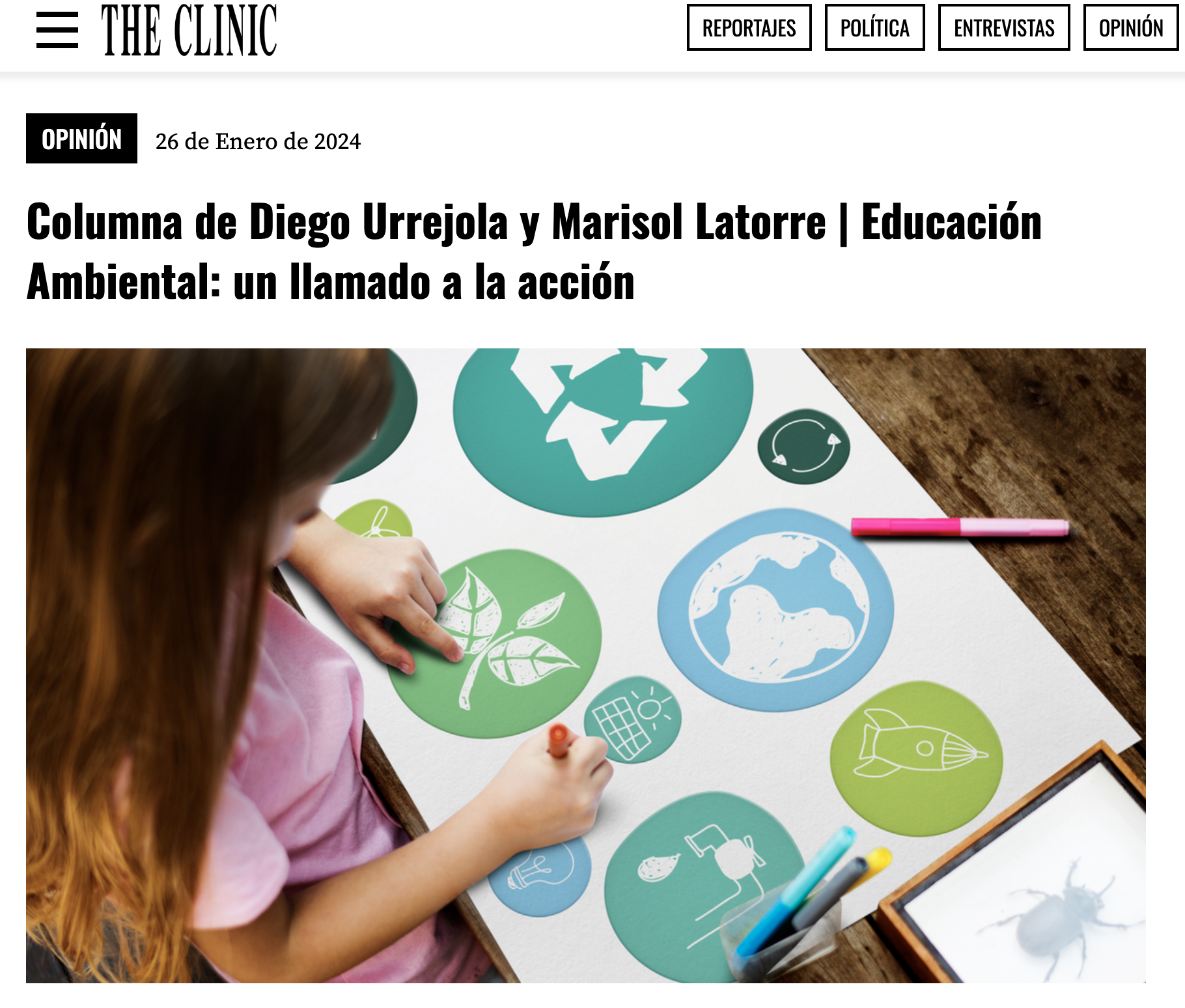
We live in and with nature, but we are educated outside of it. Our education, from kindergarten through high school, has been isolated from the environment that enables us to exist.
According to UNESCO data from 2021, which analyzed national education documents from 46 Member States, the concept of “biodiversity” appears in only 19% of the documents analyzed, while “climate change” appears in 47% of policies and curricula.
On World Environmental Education Day, we want to call on our representatives, those who have the power to change things, to make public policy decisions on education at a systemic level, so that they can lead us to develop ecological citizenship.
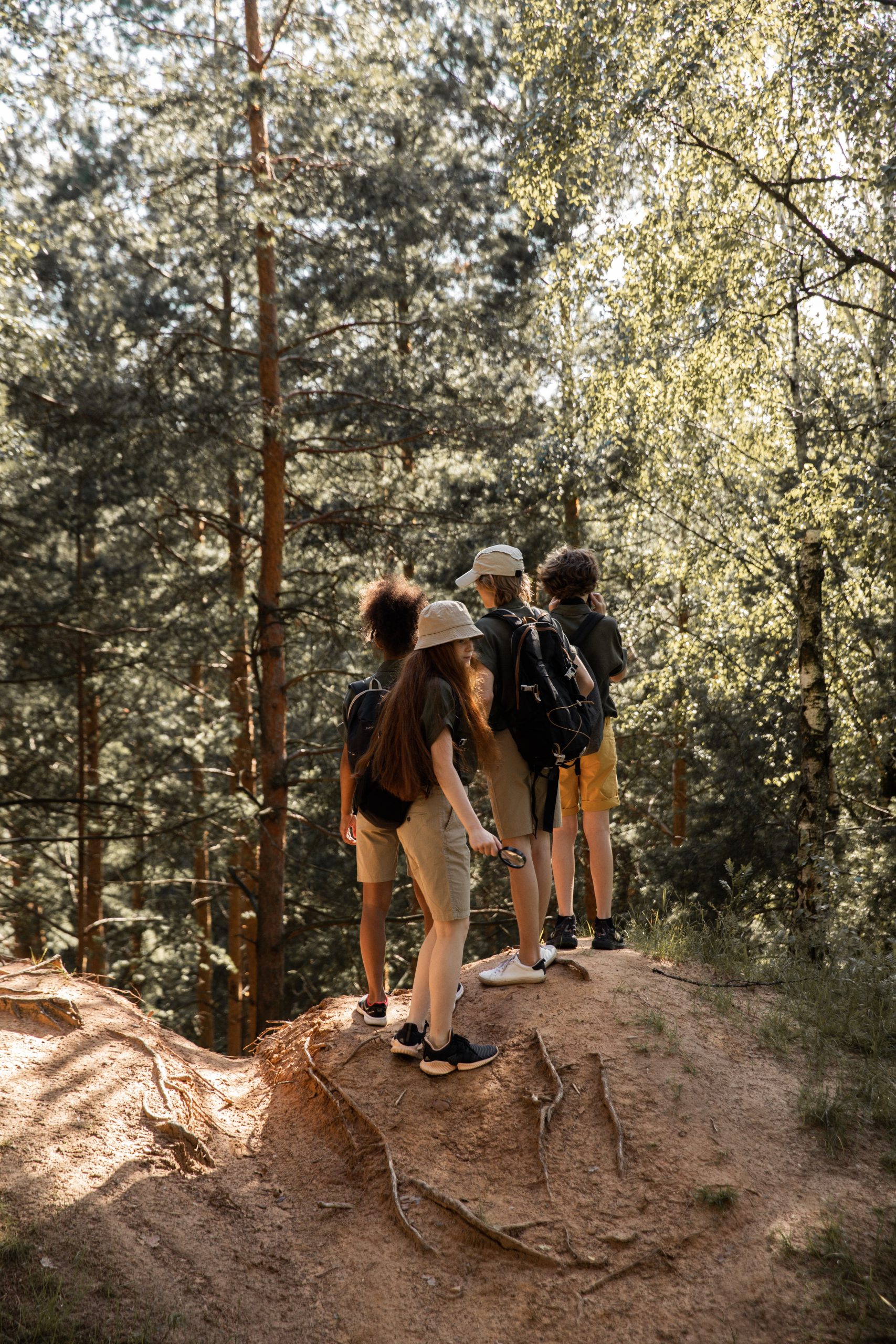
Nature needs us to recognize it as part of our daily lives, and at the same time, we need to grow connected to it. It is in this context that it is essential to place environmental education at the center of the school curriculum.
This is the work that the Cosmos Foundation and the Faculty of Education at Alberto Hurtado University have been carrying out for three years in different educational contexts, with the goal of educating future generations who are connected to nature.
A society in which the educational system adopts a pedagogical model of Environmental Education as a public policy seeks to impact the interaction of different spheres of knowledge and skills for transformation; to develop generations of citizens aware that we live in shared worlds in and with nature; and to project desired futures for the common good of all.
Therefore, the call to action is clear and urgent: it is time for public policies to recognize the need to incorporate Environmental Education into the school curriculum in a structured and sustainable manner.
By doing so, we will not only be responding to the environmental imperative but will also be laying the foundation for a society that is more conscious and committed to our planet.