Terram || The pilpilén’s struggle to survive: the worrying case of the Maipo River Wetland
- Publicado el 13.09.2024
- Escrito por Angel Fondon
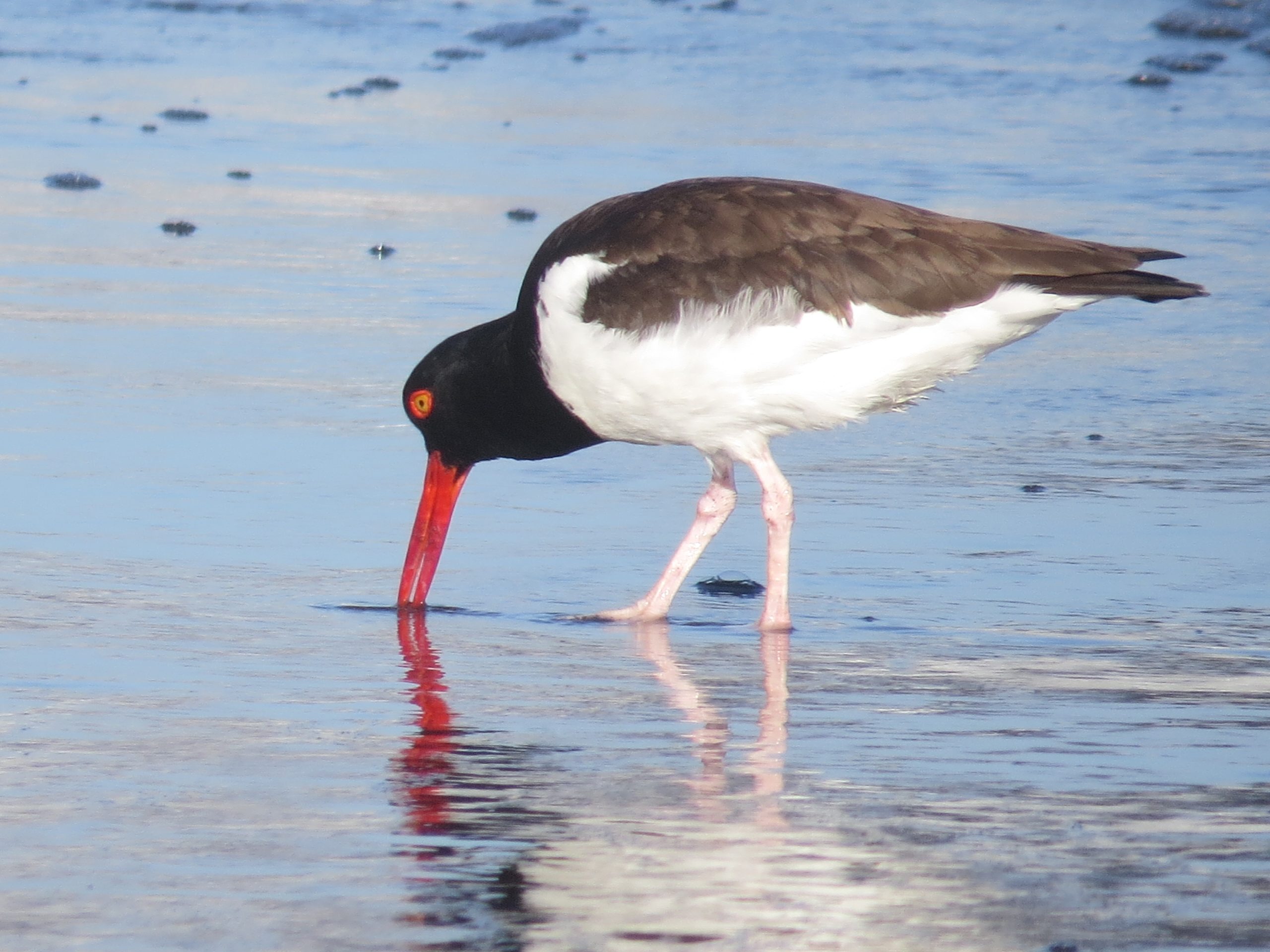
Exposed to a latent danger, the common pilpilén (Haematopus palliatus) lays its eggs in the sand along Chile’s coast. Its nests, invisible to the unsuspecting eye, are vulnerable to any attack: free-roaming dogs, motorized vehicles, and human intervention.
In the context of World Shorebird Day, the Pilpilén stands as a symbol of the struggle for survival on Chile’s coasts. With its distinctive brown plumage and white belly, it roams the beaches of our country, constantly facing threats that jeopardize its ability to survive. It is considered a biological indicator, meaning its presence is a sign of good environmental health, according to the Aves Chile website. The International Union for Conservation of Nature (IUCN) classifies it as “Least Concern,” however, the Conservation Status Classification (CSC) measure of species in the Environment (ESC) considers it to be in the Near Threatened phase.
According to Chile Animal, some studies have revealed alarming reproductive rates, reaching 0% in some locations. This is the case of the Maipo River Wetland Nature Sanctuary, a protected area located at the mouth of the Maipo River, where no egg hatchings were recorded between 2017 and 2021. The reasons are varied; from the increasing human presence in their nesting areas, the lack of responsible pet ownership, to the destruction of their natural environments. For this reason, the Cosmos Foundation has worked intensively to protect the Pilpilén for the past eight years. The foundation’s Conservation Project Coordinator, Matías Fuentealba, highlighted the role that the Maipo Wetland Nature Sanctuary, located in Santo Domingo, plays in protecting these and other species. “The Pilpilén has faced significant challenges in its reproductive cycle. Between 2017 and 2021, we recorded no reproductive success, mainly due to free-roaming dogs and people keeping their pets off-leash on the beaches,” Fuentealba said. In response to this crisis, Cosmos conducted responsible ownership campaigns during the summer and installed a fence measuring approximately 6,000 square meters, the purpose of which is to prevent both people and other types of predators from entering the nesting areas.
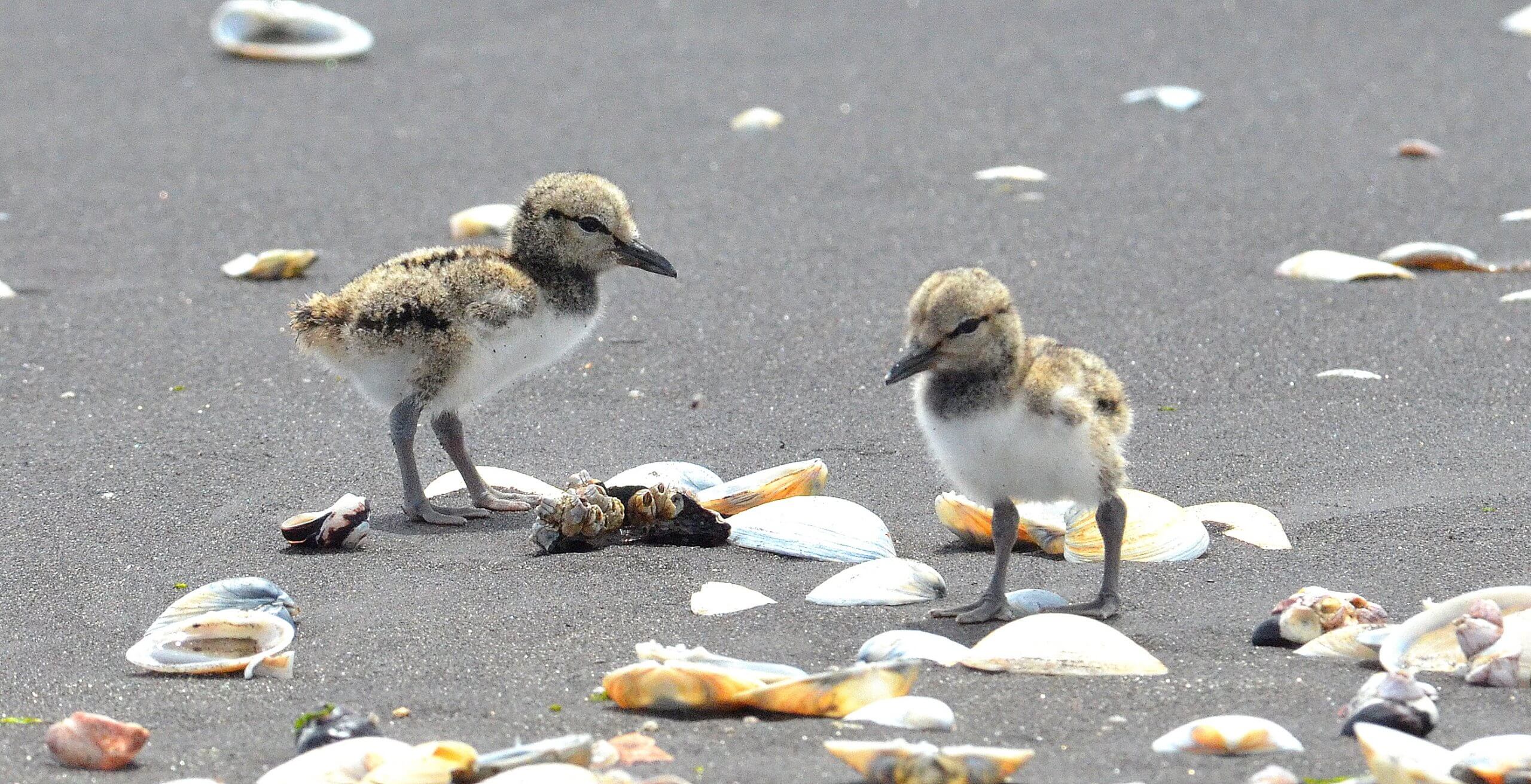
Initially, the first fence installed in 2020 was a collaboration between the Cosmos Foundation, the Cornell University Coastal Solutions Fellows Program, and the Chilean Bird Watchers Network (ROC). After witnessing how smaller cage and fence prototypes were ineffective due to the area required for successful breeding, they decided to advance this project by enlarging and maintaining the fence. This improved its ability to keep out foxes and dogs. Fuentealba emphasized that by the summer of 2021, after making the modifications, this work began to bear fruit, increasing the bird’s birth rate. Despite the existence of sanctions imposed by the municipal ordinance of the Illustrious Municipality of Santo Domingo, such as the law on responsible pet ownership, Matías Fuentealba emphasized that: “Environmental education is the most important and crucial role of all. I am sure that if we were aware of the impact of our actions, we would not have zero reproduction rates in species.”