
Salvador Hospital users have a new healing garden, El Ceibo.
- Published on 14.09.2016
- Written by Angel Fondon
No one doubts that being in contact with nature is good for us; we’ve always known this intuitively, and in recent decades, science has also proven it. Aware of this, two years ago, Hospital del Salvador, together with the Inspira and Cosmos Foundations, launched the Recovery of the Interior Gardens of Hospital El Salvador project. This project seeks to transform these spaces into more friendly spaces that support the recovery process of patients and contribute to the well-being of their families and staff. Together, they have already built six healing gardens, one of which was inaugurated this morning: the El Ceibo garden. This universally accessible space, open to the entire community, is located in front of the ICU waiting room, and therefore plays a fundamental role in welcoming and supporting the families of patients hospitalized in that unit, as well as the rest of the hospital community.
“We are very pleased with this newly restored courtyard, because healing courtyards are fundamental to the entire process of change we are undergoing within the Hospital. The complementary works for the construction of the new hospital are in full swing, and more than 250 staff members have already moved into their new facilities, making it necessary to have new places where the community can come together. The restored courtyards are part of this process,” said Dr. Carlos Altamirano, Director of Hospital del Salvador.
During its restoration, the El Ceibo garden was equipped with rest areas, landscaping, and universal accessibility. In addition, several elements from the old hospital building—currently under demolition—were reused, such as the circular bench surrounding the ceibo tree and the garden access gates, which belonged to the maternity unit; and the seats that were once part of the central park.
“In addition to the landscaping and new infrastructure, the great value of this garden lies in the enthusiasm and energy that hospital staff put into its design, the painting of the surrounding walls, and the planting. This is crucial because, ultimately, this space is also theirs, for them,” added Doris Erlwein, Executive Director of the Inspira Foundation.
The Hospital del Salvador has more than 12 interior gardens, which were incorporated into its original design and construction in 1871, but have been neglected over time. These spaces have great potential to become healing or therapeutic gardens, thus complementing patient treatment and improving the quality of life of all users .
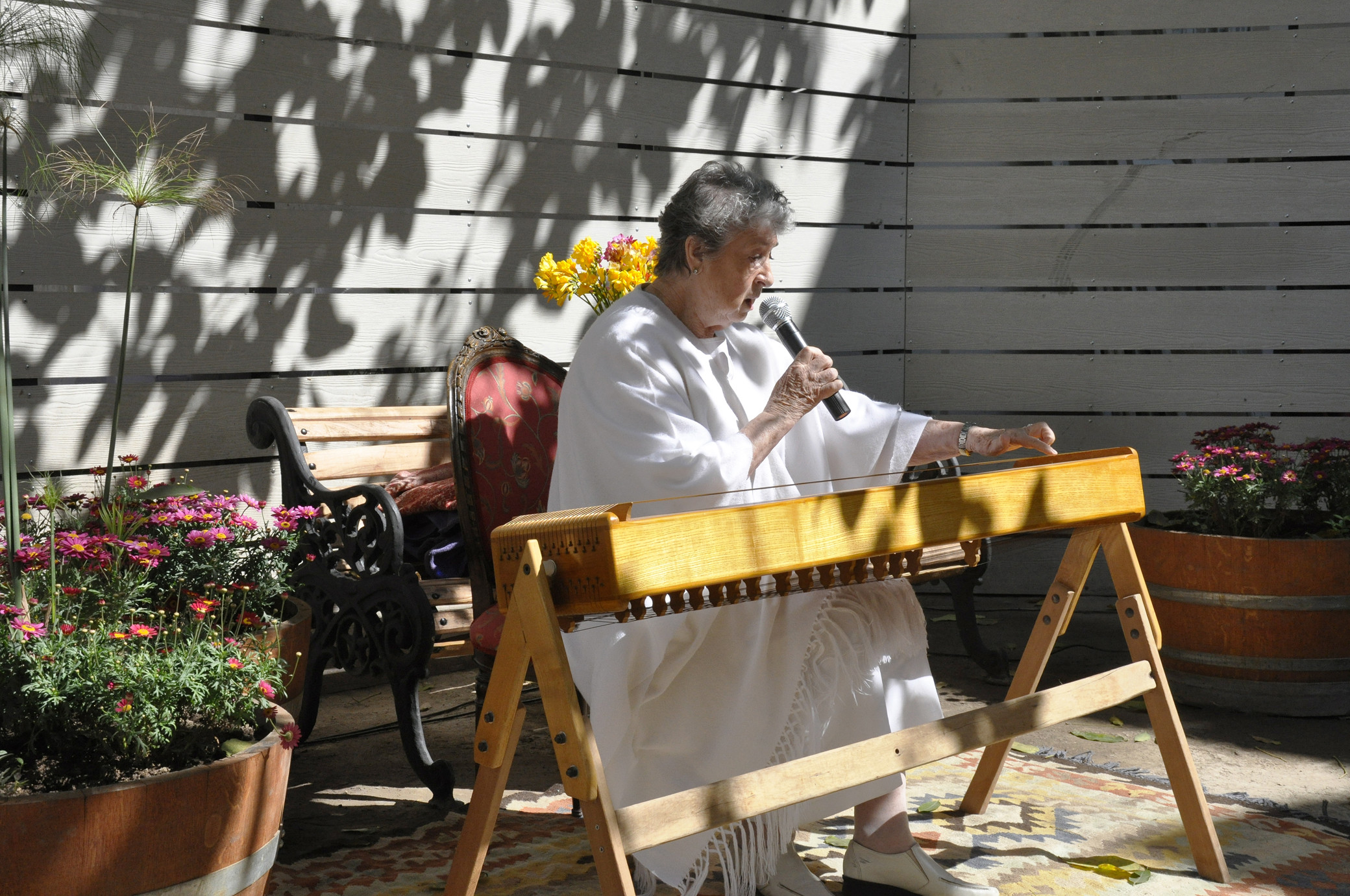
Finally, Felipe Correa, Project Director of the Cosmos Foundation, emphasized that “It is important to understand that gardens within health centers are not a luxury, but a necessity, and therefore, there should be increasing initiatives from the private and public sectors to develop projects like this.”
The creation of healing gardens in healthcare centers is already a trend in countries like the United States and Europe, as a growing number of scientific studies prove that exposure to vegetation has positive impacts on our bodies, helping them heal. An example of this is the study conducted by physician and neuroimmunologist Esther Sternberg, who found that just three to five minutes of observing spaces dominated by trees, flowers, or water can help reduce anger, anxiety, and pain, and can also induce changes in blood pressure, muscle tension, and electrical activity in the heart and brain. Similarly, another study by Walch et al. (2005) showed that people recovering from surgery in a room with natural light and a garden view required 22% less pain medication than those in rooms without these conditions.