
Public Foundation | Hospital Gardens: Therapy Without a Roof
- Publicado el 14.05.2023
- Escrito por Angel Fondon
“In the morning when we start, especially with those who are hospitalized, the first thing they ask is, ‘Are we going to the garden, are we going to play ball?’” . Patricia Rivas is a psychopedagogue and gets emotional when she talks about her healing gardens. We conduct this interview sitting on one of the benches in the Jacaranda garden. She breathes in the scent of the plants and flowers that she, along with all the staff from the pediatric neurology and psychiatry unit at the San Borja Arriarán Clinical Hospital , planted by hand. She tells us that five years ago this was a barren, ugly, and bare lot, and now, it makes them proud.
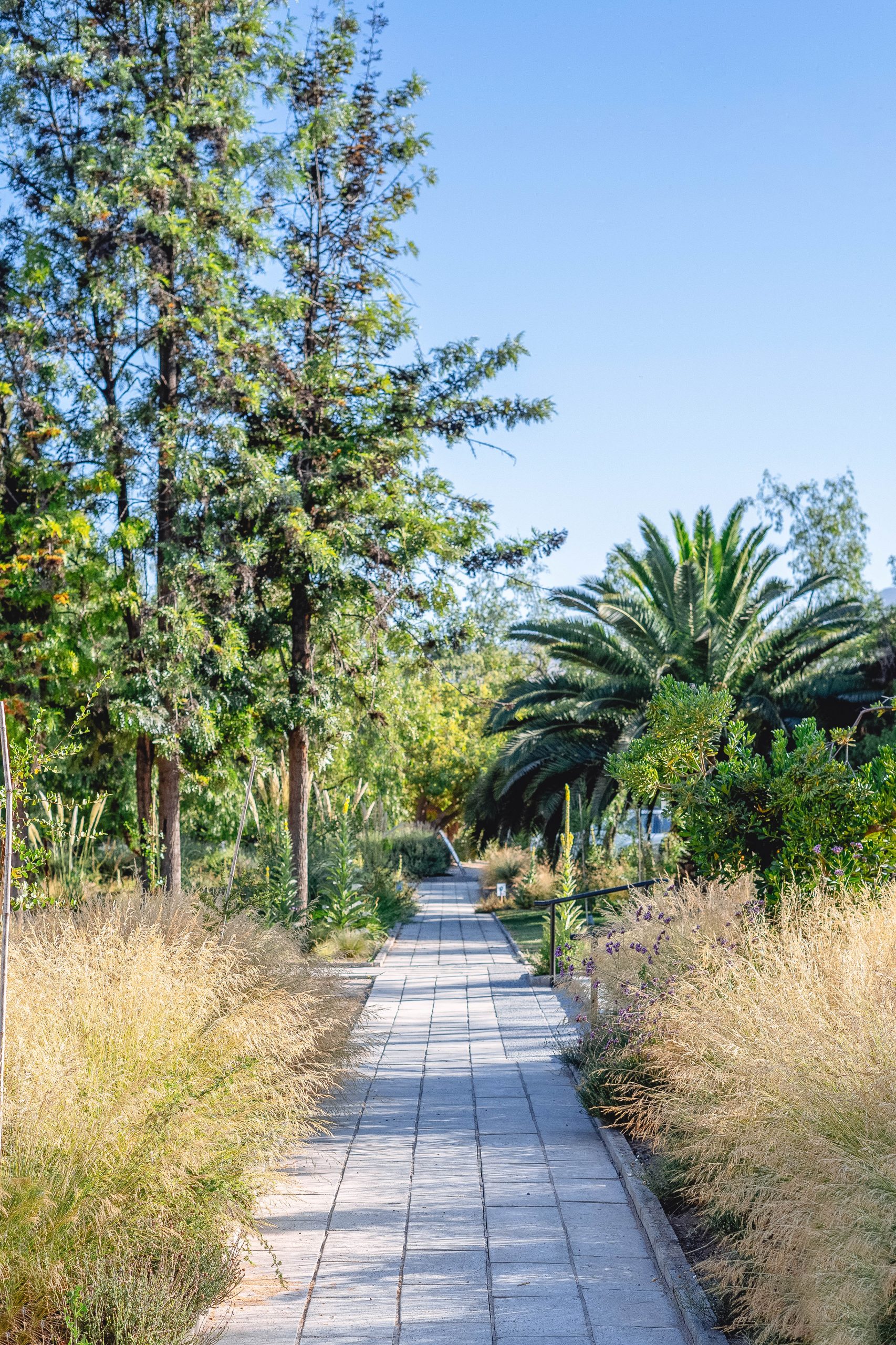
Next to two ancient palm trees, native flora, and paths with benches for taking a break, lies Santa Rosa Street, one of the capital’s busiest Transantiago corridors. “I spoke with a mother; her daughter has Down syndrome, and she told us that after the pandemic, she was furious, rabid, and used to hit her. But when she got to kindergarten, she calmed down. She told me—I got my daughter back—that’s it (laughs) and that’s it, the job’s done,” says Valentina Schmidt, architect and project coordinator for the Cosmos Foundation , the creators of the Therapeutic Gardens in Chile.
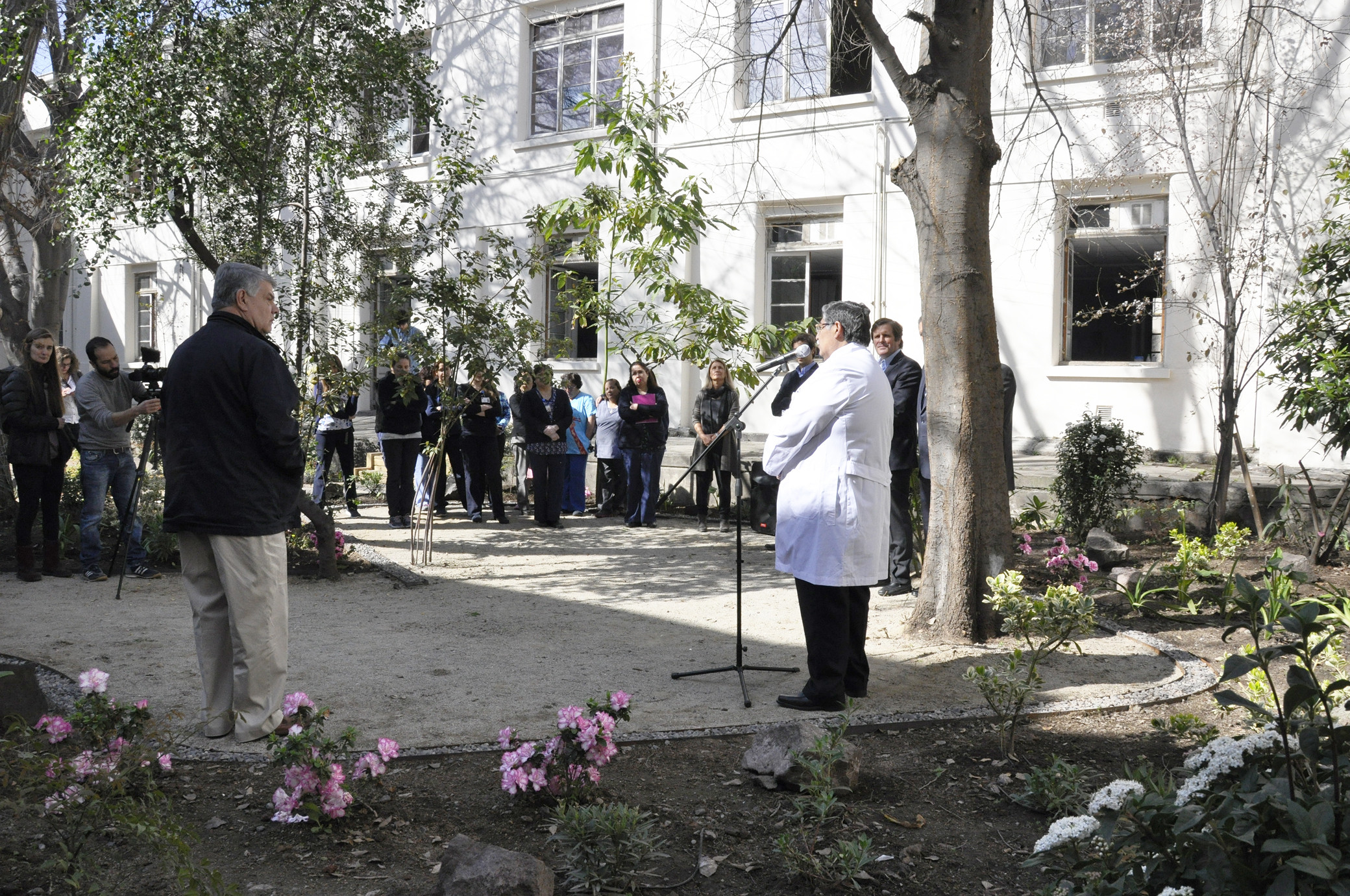
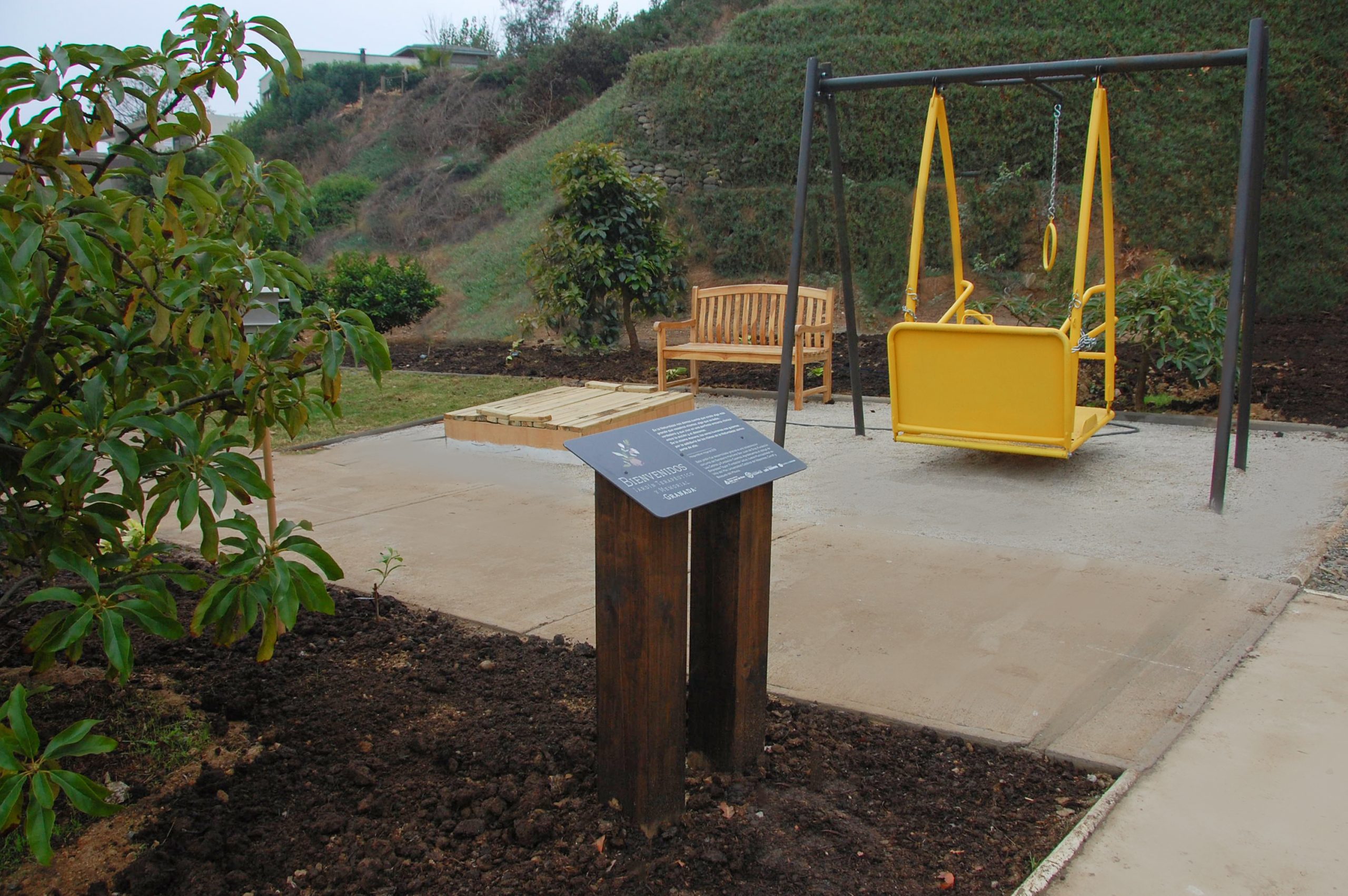
The Cosmos Foundation already has fifteen therapeutic gardens that they design and build collaboratively. “We never imposed a vision, like, ‘Hey, you need this,’ because that’s not going to last. There has to be genuine interest, because making them is one thing, and taking care of them is another. We provided a user manual for maintaining them, and that requires community commitment.” , adds Valentina.
The San Borja Arriarán Clinical Hospital was built in 1772 and currently serves patients from five communities: Santiago, Estacion Central, Maipú, Cerrillos, and part of Pedro Aguirre Cerda. The pediatric neuropsychiatry unit treats nearly 40,000 children annually, and it is also a national referral center for highly complex neurological diseases. These healing gardens are used by thousands of patients and families, and they also serve as a space for rest and refuge for healthcare professionals.
Neurologist Guillermo Guzmán has worked in this unit since 2005 and was part of this process of change. “It was a vacant lot, where hospital equipment, containers, and other items were piled up. We knew it had a lot of potential, and one day we saw a television report from the Cosmos Foundation and said, ‘Okay, this is it.'”
This is how they all began their work. First, they enlisted the support of Director Mónica Troncoso and then the hospital management. Later, together with the Foundation, they raised public and private funds. The GTD group joined the effort, and they secured support from civil society through the Amancay and Proceder foundations.
“Here we have patients who remain hospitalized for 30 days, most of them for psychiatric reasons, who are confined to four walls with artificial lights, and now these patients can go out into a garden. They connect with the trees, with the sound of the wind, with the water in the pool, and in this way we promote better recovery.” For Dr. Guzmán, this project had to be realized, because, he adds, “Who can refuse to provide better quality care for children?”
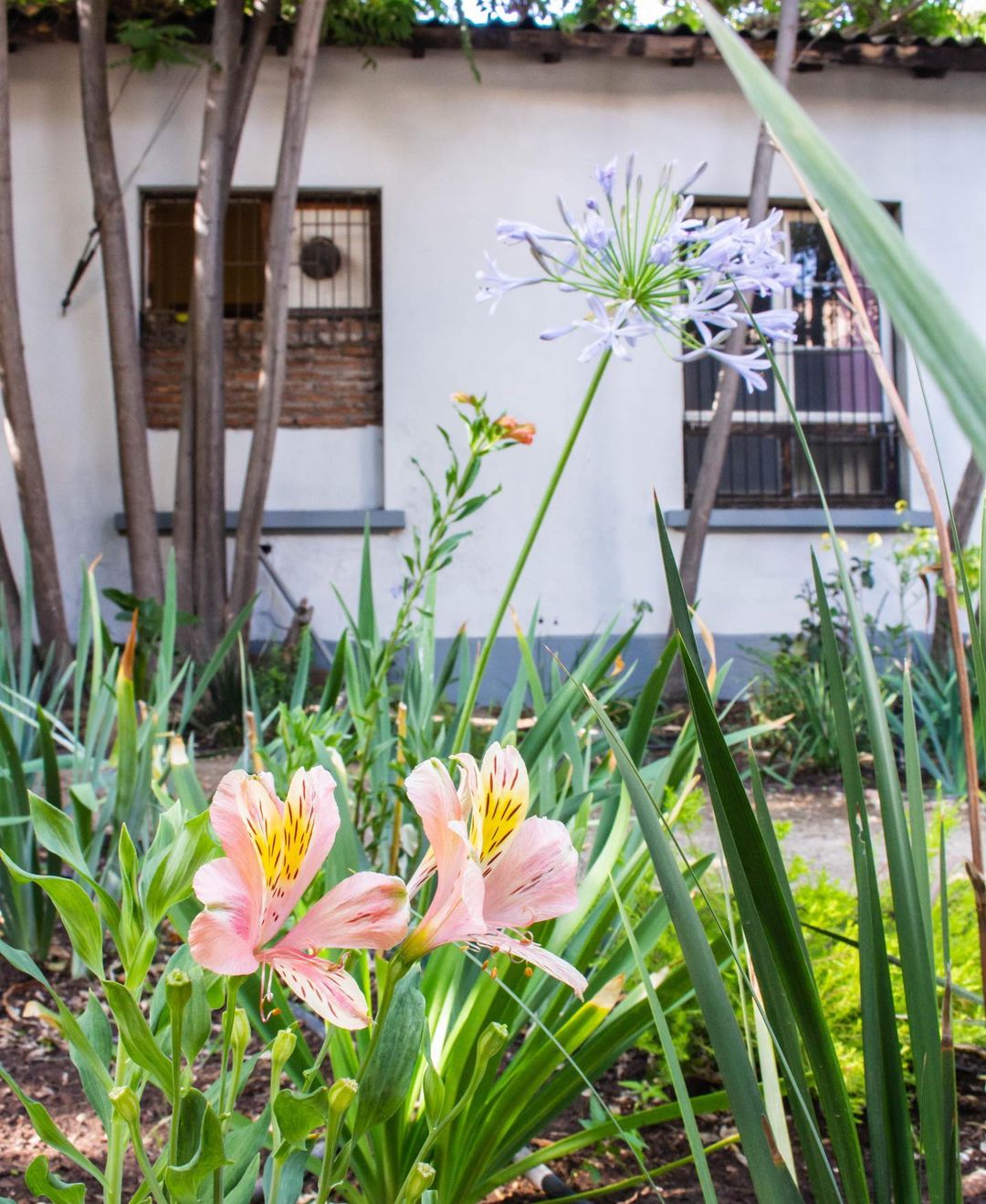
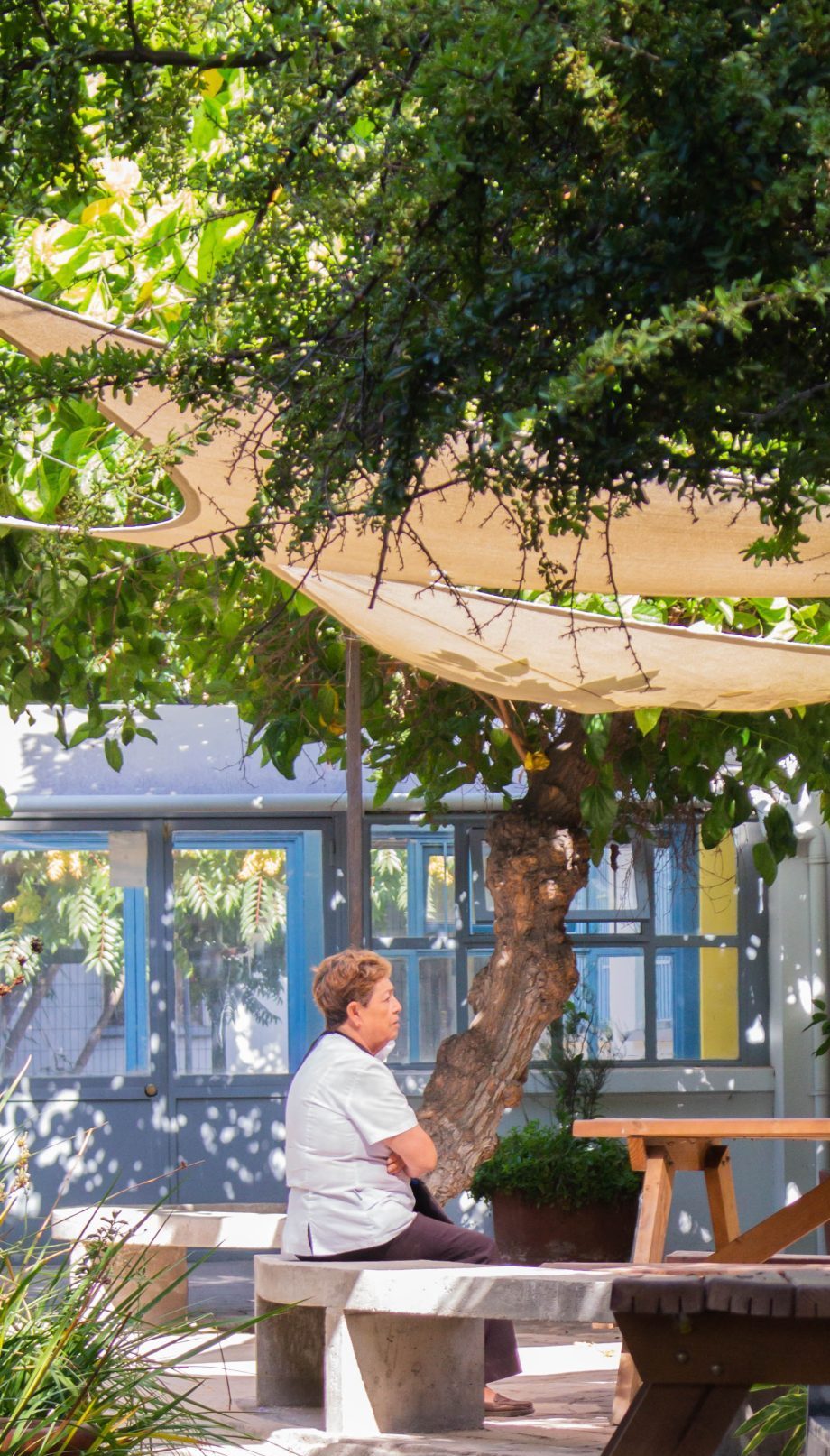
The two units, pediatric psychiatry and neurology, connect to this garden via a ramp, which also serves as a rehabilitation center. In these healing gardens, every space is utilized. Individual and group therapies are offered, and the space is staffed by doctors, therapists, visual artists who lead art therapy workshops, and teachers. For families, it’s a place to meet and also to let off steam.
Patricia Rivas tells us that for them as a team, it has been a challenge that forces them to think about outdoor therapies. “We were able to introduce therapeutic gardens and learn what being in contact with nature means in the healing process. This garden encourages us to use this space for the benefit of the children, and since it has no walls, no ceiling, no limits, and since it has no limits, there’s no limit to creativity.”
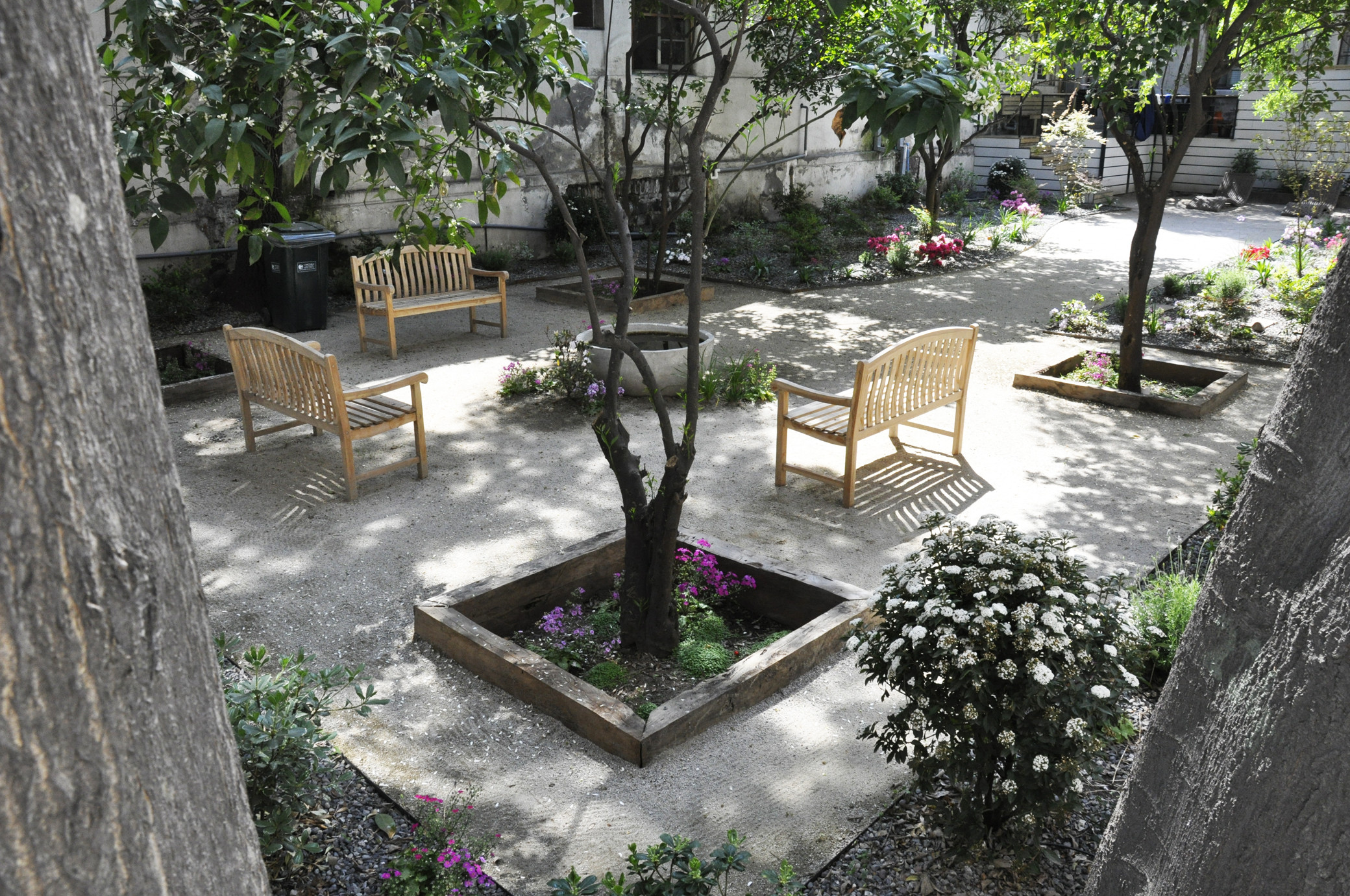
For the Cosmos Foundation, the challenge now is to continue expanding the therapeutic gardens, and the project has expanded to include shelters for children living in María Ayuda Foundation homes and long-stay senior care centers. Any space where a patient or human being can be brought closer to nature undoubtedly improves their quality of life.
Healing gardens date back to the mid-20th century. Roger Ulrich, a Swiss architect, linked urban planning and public space with mental health.
Being connected to nature improves treatments, patients spend fewer days hospitalized, and for healthcare workers, it’s a respite, and Dr. Guzmán knows that. “This is a space of opportunity. We can tell the patient to walk, to play, and if a child is experiencing depression, they can choose the space, smell the flowers, and be calm. All patients want to come down to the therapeutic garden.” ”.