Mercury || “Direct contact with nature in childhood creates sustainable habits for life”
- Publicado el 11.05.2025
- Escrito por Angel Fondon
The academic argues that teaching about environmental care should be a mandatory subject in schools and warns of a lack of teacher training on the subject.
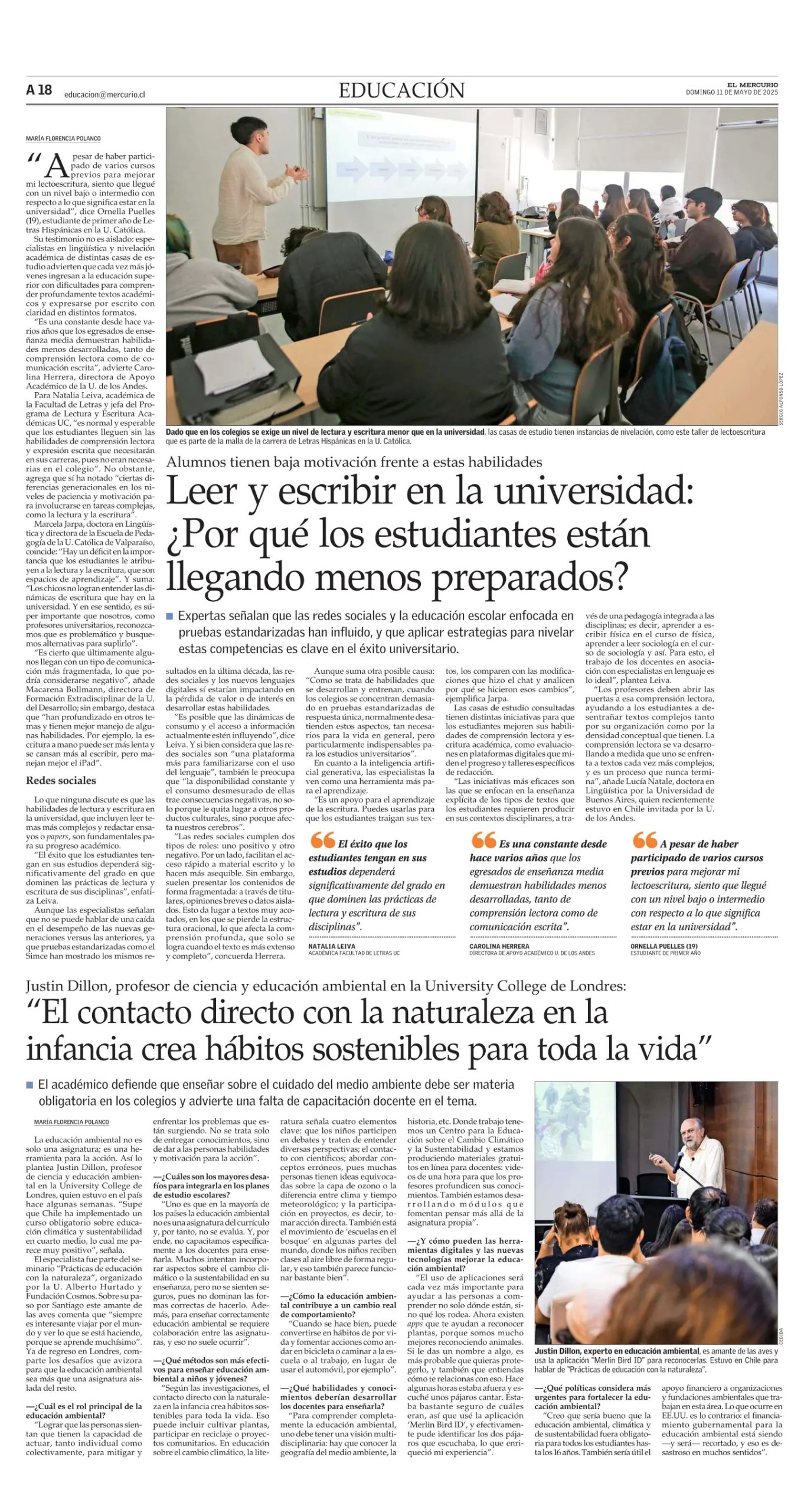
Environmental education isn’t just a subject; it’s a tool for action. This is how Justin Dillon, a professor of science and environmental education at University College London, who visited the country a few weeks ago, puts it. “I learned that Chile has implemented a mandatory course on climate education and sustainability in high school, which I think is very positive,” he notes.
The specialist participated in the seminar “Educational Practices with Nature,” organized by Alberto Hurtado University and the Cosmos Foundation. Regarding his time in Santiago, this bird lover comments that “it’s always interesting to travel the world and see what’s being done, because you learn a lot.” Back in London, he shares the challenges he sees to ensure that environmental education becomes more than just a subject isolated from the rest.
—What is the main role of environmental education?
“To empower people to take action, both individually and collectively, to mitigate and address emerging problems. It’s not just about providing knowledge, but about giving people the skills and motivation to take action.”
—What are the biggest challenges in integrating it into school curricula?
‘One is that in most countries, environmental education is not a curriculum subject and, therefore, is not assessed. And, consequently, we don’t specifically train teachers to teach it. Many try to incorporate aspects of climate change or sustainability into their teaching, but they don’t feel confident because they don’t master the correct methods. Furthermore, teaching environmental education correctly requires collaboration across subjects, and that doesn’t often happen.’
—What methods are most effective for teaching environmental education to children and young people?
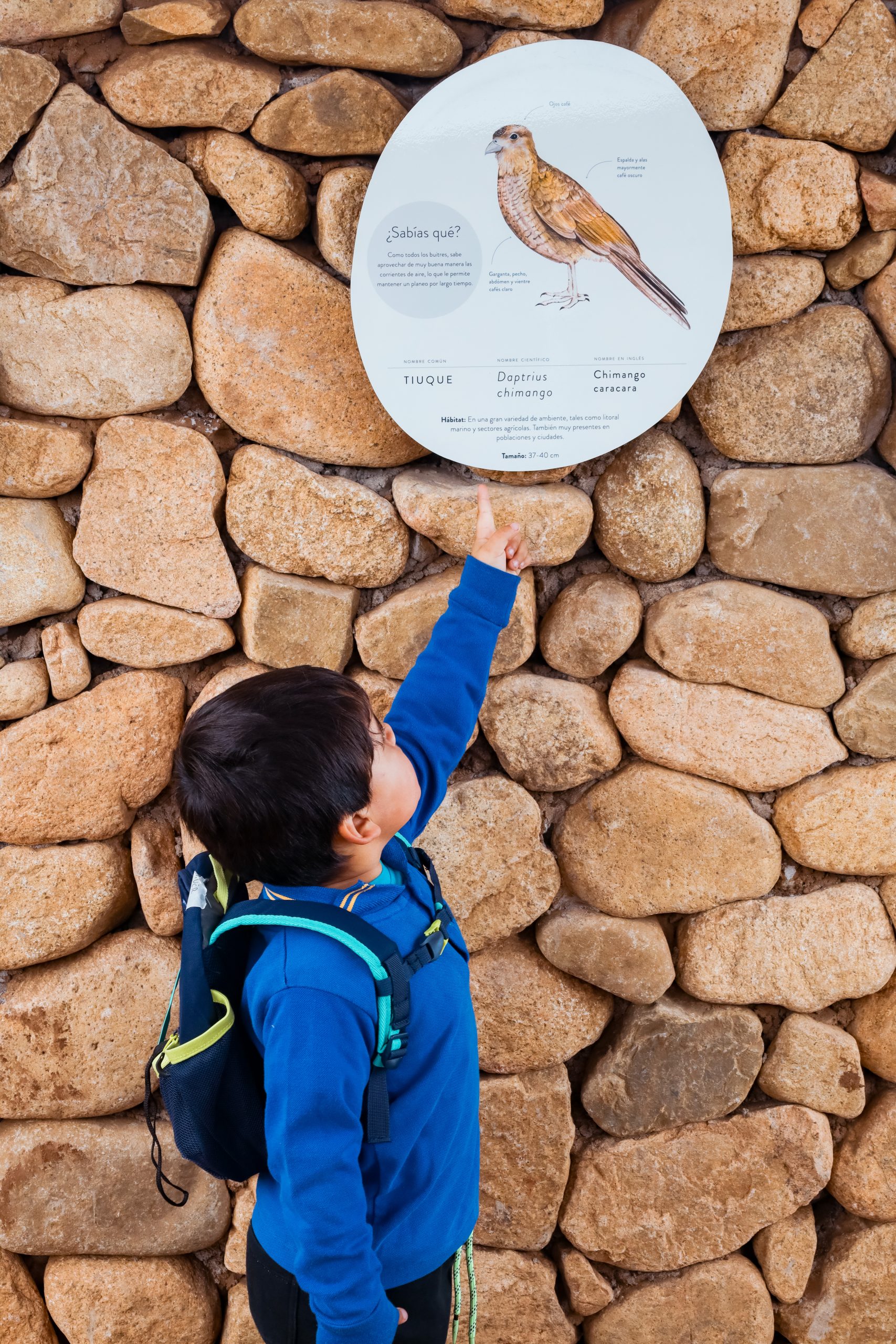
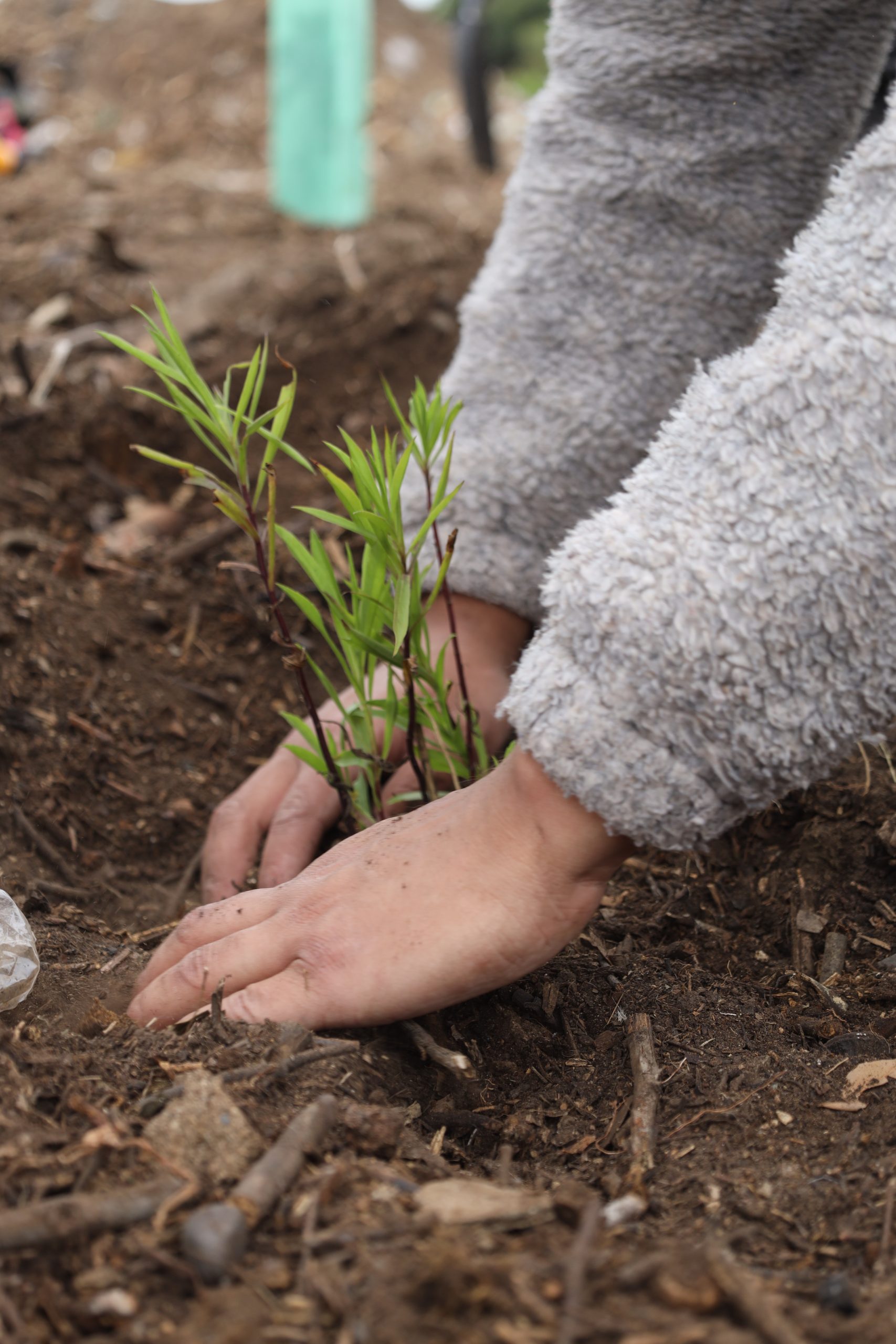
‘According to research, direct contact with nature in childhood creates lifelong, sustainable habits. This can include growing plants, participating in recycling, or community projects. In climate change education, the literature points to four key elements: engaging children in discussions and seeking to understand diverse perspectives; contact with scientists; addressing misconceptions, as many people have misconceptions about the ozone layer or the difference between climate and weather; and participating in projects—that is, taking direct action. There is also the ‘forest school’ movement in some parts of the world, where children are taught outdoors regularly, and that also seems to work quite well.’
—How does environmental education contribute to real behavioral change?
‘When done right, it can become lifelong habits and encourage actions like biking or walking to school or work, instead of using a car, for example.’
—What skills and knowledge should teachers develop to teach it?
‘To fully understand environmental education, one must have a multidisciplinary perspective: one must know environmental geography, history, etc. Where I work, we have a Center for Climate Change and Sustainability Education, and we are producing free online materials for teachers: one-hour videos for teachers to deepen their knowledge. We are also developing modules that encourage thinking beyond the subject itself.’
—And how can digital tools and new technologies improve environmental education?
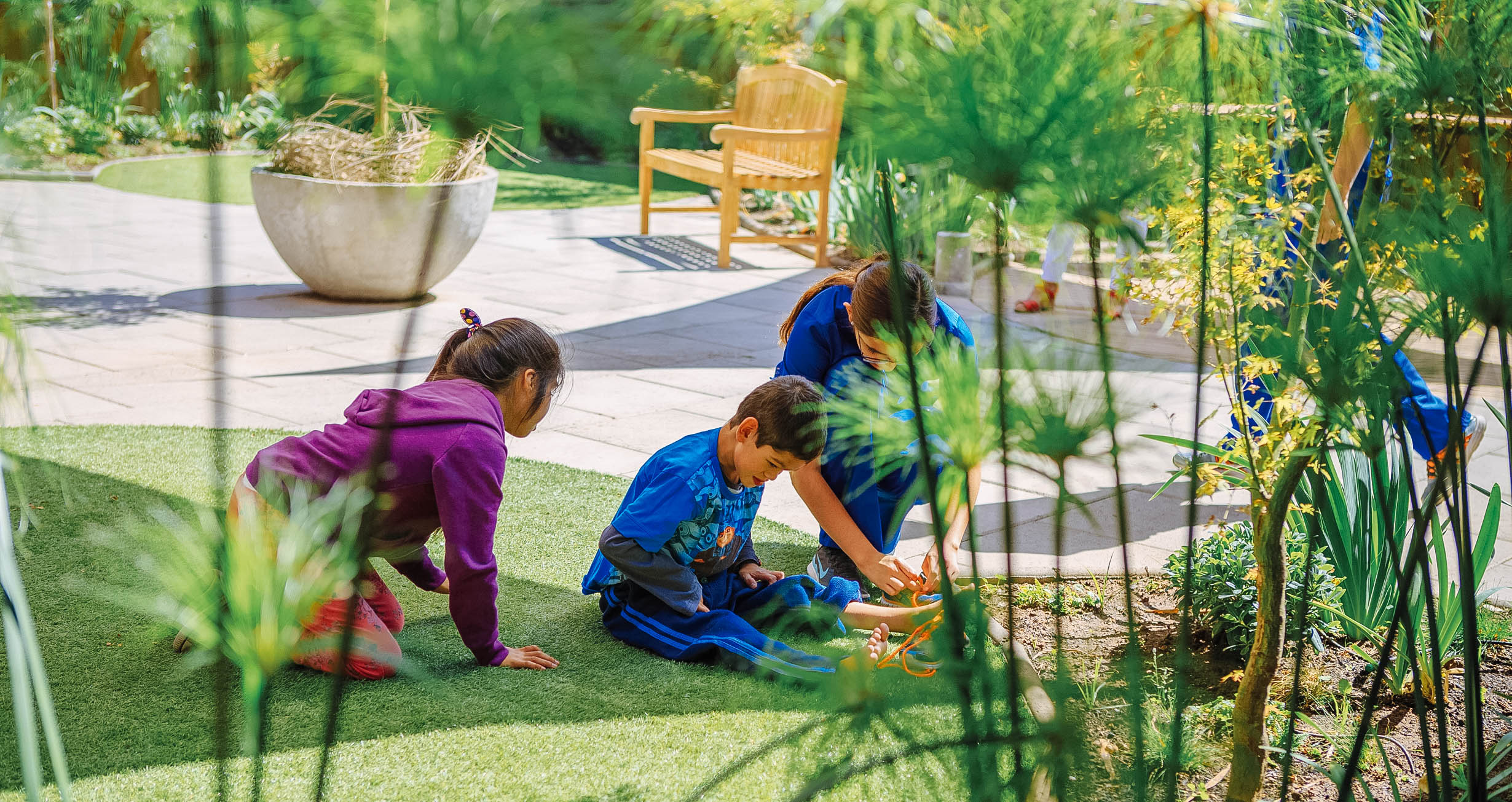
‘The use of apps will be increasingly important to help people understand not only where they are, but what’s around them. There are now apps that help you recognize plants, because we’re much better at recognizing animals. If you give something a name, you’re more likely to want to protect it, and also to understand how you relate to it. A few hours ago, I was outside and heard some birds singing. I was pretty sure which ones they were, so I used the Merlin Bird ID app, and I was able to identify the two birds I heard, which enriched my experience.’
—What policies do you consider most urgent to strengthen environmental education?
‘I think it would be good if environmental, climate, and sustainability education were mandatory for all students up to the age of 16. Financial support for environmental organizations and foundations working in this area would also be helpful. What’s happening in the US is the opposite: government funding for environmental education is being—and will be—cut, and that’s disastrous in many ways.’