
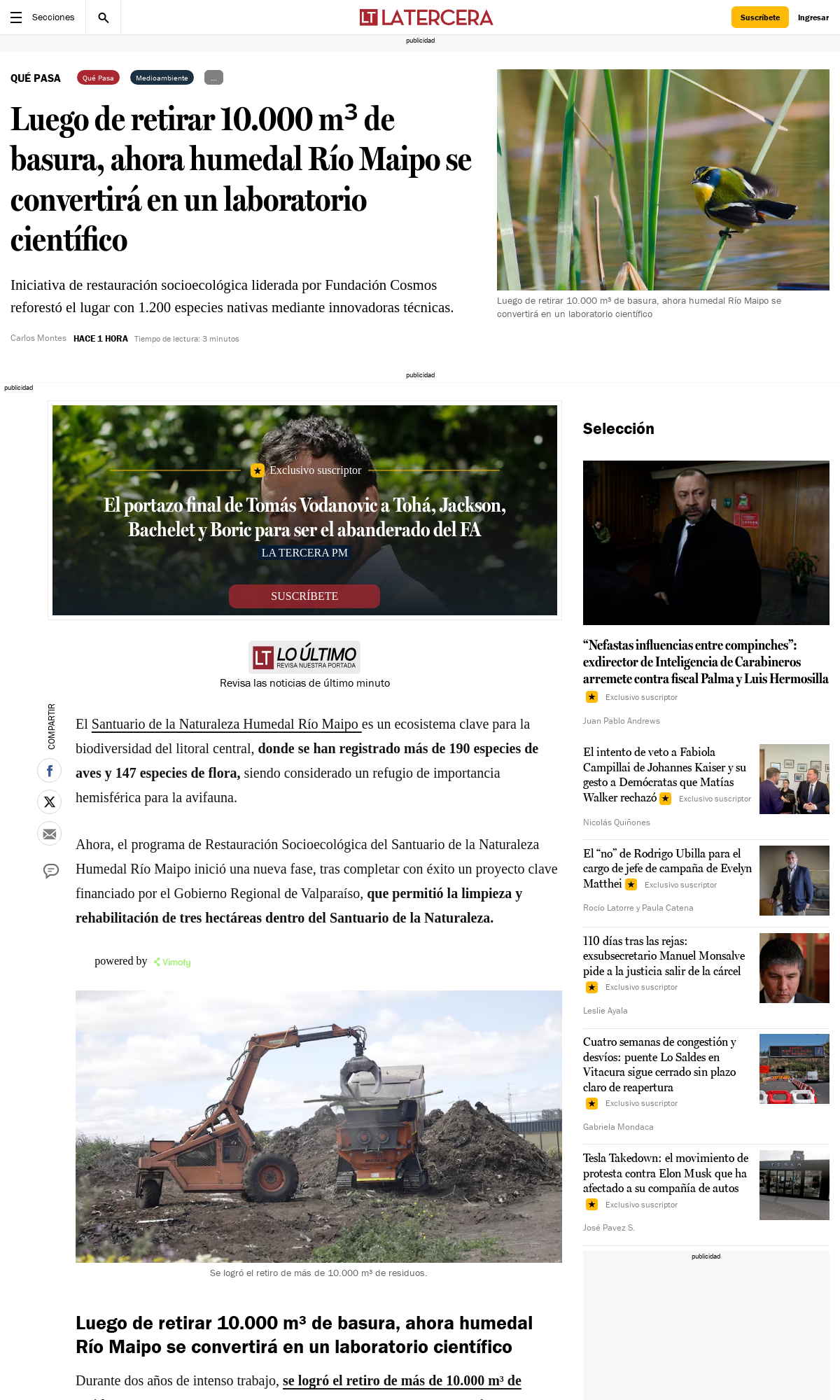
La Tercera || After removing 10,000 cubic meters of trash, the Maipo River wetland will now be converted into a scientific laboratory.
- Publicado el 12.03.2025
- Escrito por Angel Fondon
A socioecological restoration initiative led by the Cosmos Foundation reforested the site with 1,200 native species using innovative techniques.
The Maipo River Wetland Nature Sanctuary is a key ecosystem for the biodiversity of the central coast, where more than 190 bird species and 147 plant species have been recorded, and is considered a hemispherically important refuge for birdlife.
Now, the Socioecological Restoration Program of the Maipo River Wetland Nature Sanctuary has entered a new phase, following the successful completion of a key project funded by the Valparaíso Regional Government, which enabled the cleanup and rehabilitation of three hectares within the Nature Sanctuary.
During two years of intensive work, more than 10,000 m³ of waste was removed, including plant material, piles of wood chips, and debris that were affecting the wetland’s biodiversity. Furthermore, the chipping company ceased operations, a critical step to halt soil degradation and allow for ecosystem regeneration.
“Thanks to our ability to build partnerships with academic institutions, local organizations, and the regional government, and to engage the community as an active part of the process, we are now seeing concrete results in the regeneration of the wetland. This collective effort demonstrates that effective conservation is possible when science, citizen participation, and long-term commitment are combined,” explains Diego Urrejola, executive director of the Cosmos Foundation.
Image of the wetland area where waste was removed and reforestation resumed.
The Regional Governor of Valparaíso, Rodrigo Mundaca, praised the impact of this program and its contribution to ecosystem conservation.
“This program is about environmental protection and how we can harmonize development with the care and restoration of nature through remediation, rehabilitation, and socio-ecological education, contributing to the restoration of the Maipo River Wetland Nature Sanctuary. We are pleased with the results and how we have raised community awareness about protecting this sanctuary,” he said.
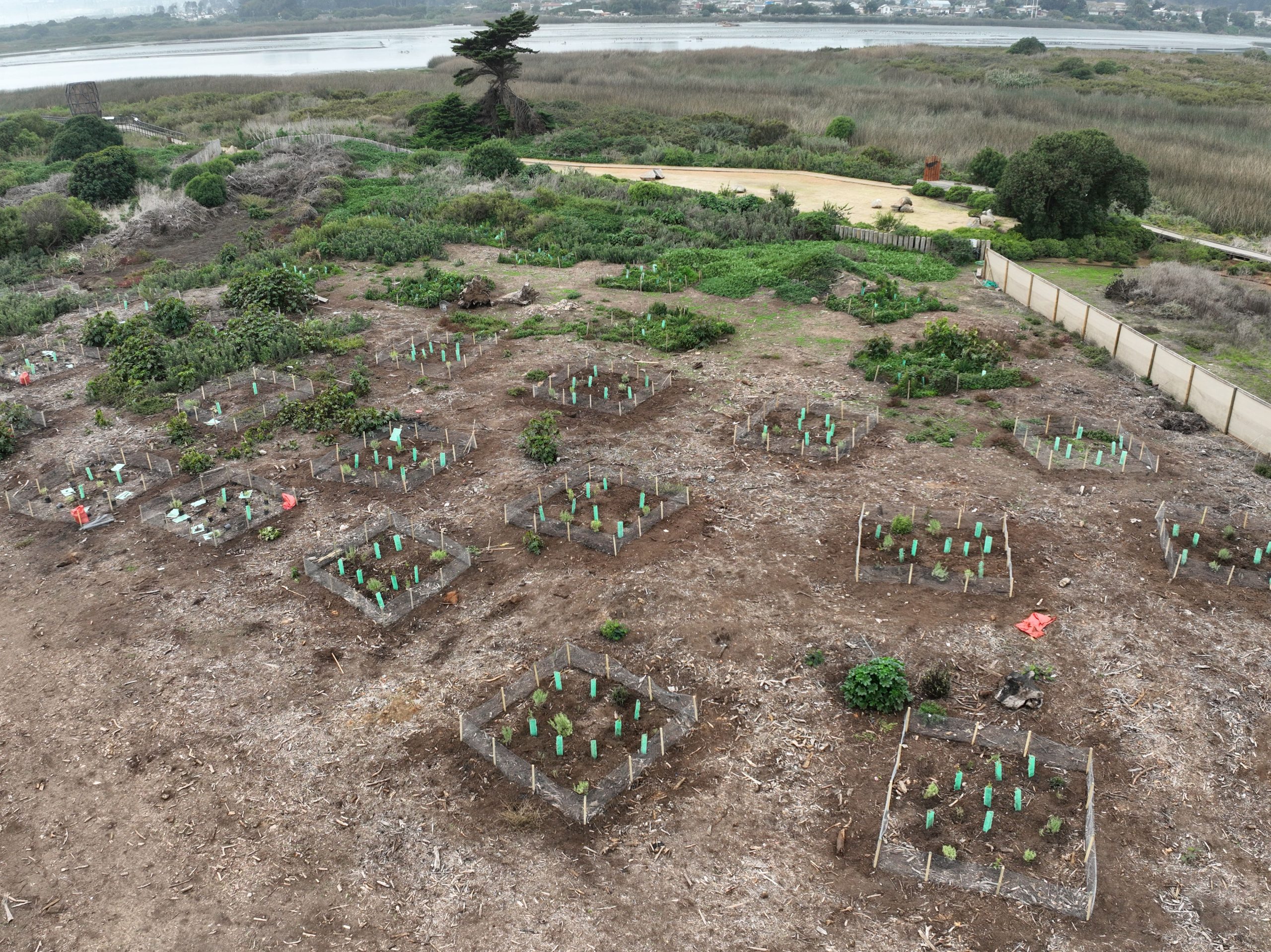
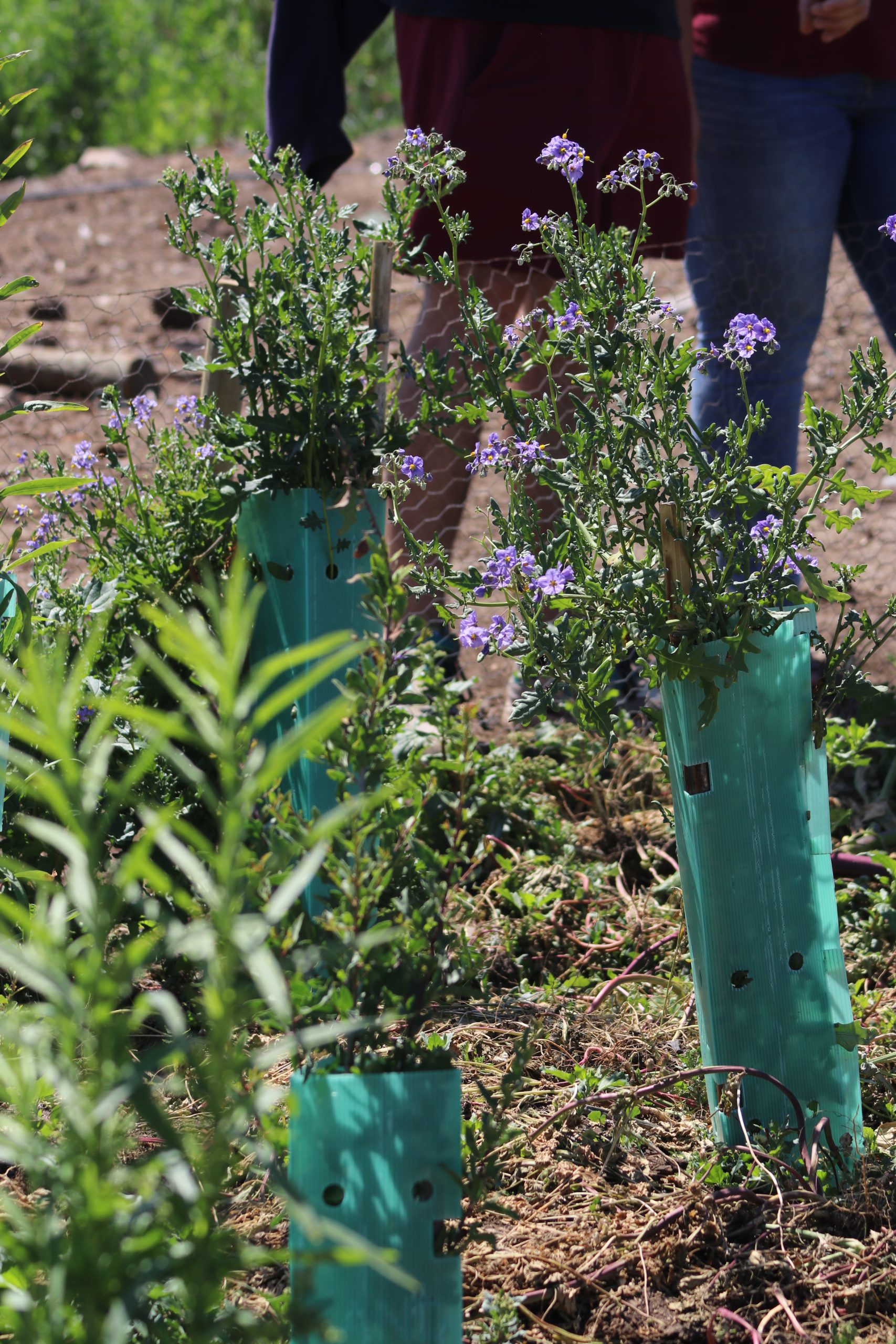
One of the key pillars of the restoration was reforestation with native species, with more than 1,200 trees planted using innovative methodologies such as core plantings, syntropic lines, and the Miyawaki method, which accelerates tree growth compared to traditional methods.
The Miyawaki method, developed by Japanese botanist Akira Miyawaki, represents a revolution. Its goal is to create dense native forests in small areas and in a relatively short period of time. This approach has multiple benefits for both the environment and local communities.
And as part of the closing of this phase funded by the Regional Government, the documentary “Volver a Habitar” (Return to Habitar) was released, directed by Mateo Barrenengoa. It portrays the wetland restoration process and the program’s impact on the community. This audiovisual piece seeks to raise awareness about the importance of wetland restoration and its role in environmental sustainability.
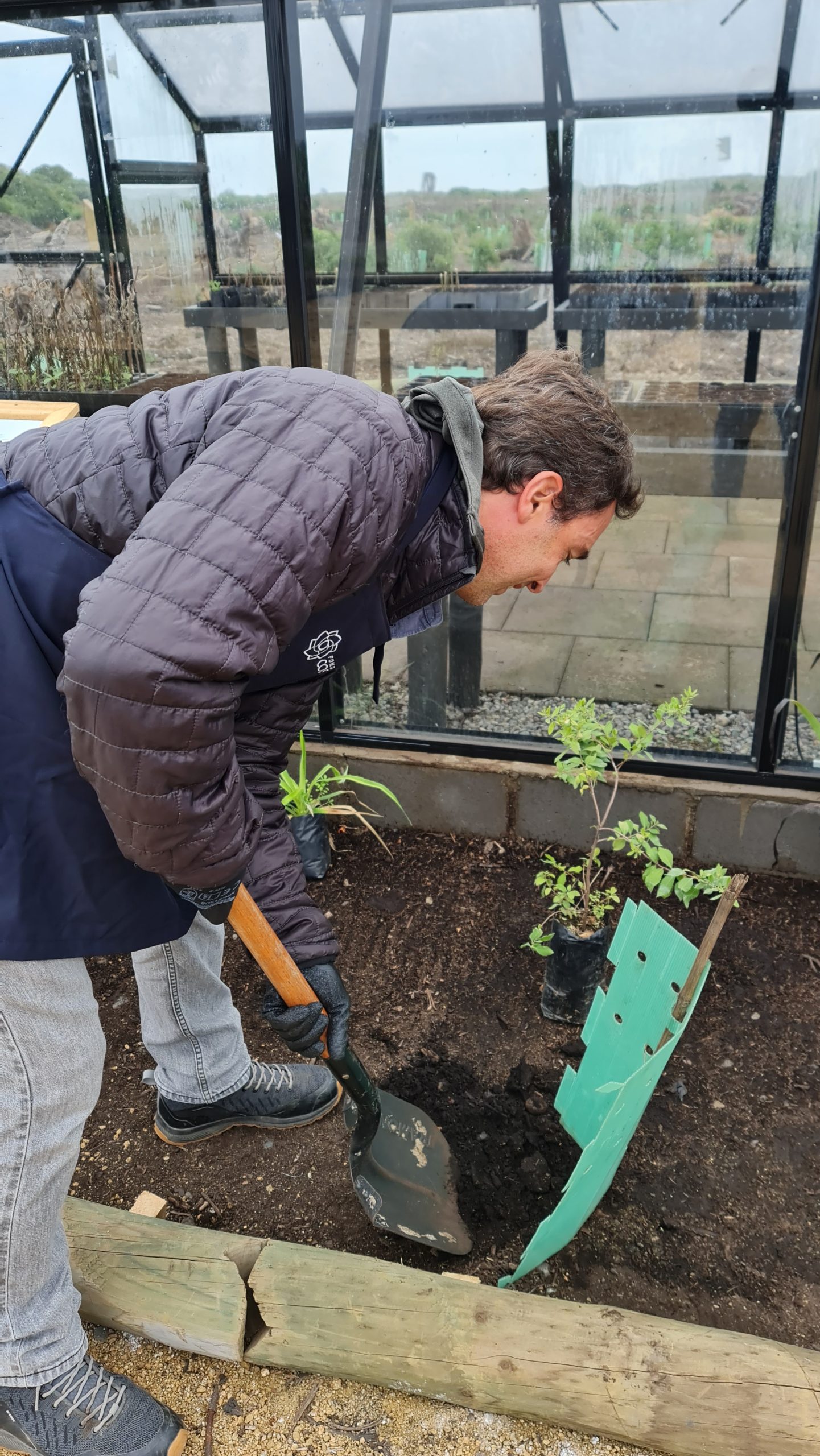
After removing the waste, the project considered reforestation of the site.
“This lab represents a new stage in our restoration work, allowing us to explore innovative solutions for wetland conservation and strengthen our work with the community,” Urrejola emphasizes.
See the article on LaTercera.com