Archdaily || Designing in Harmony with Nature: Architecture in Urban Wetlands and a Quest for Territorial Well-being
- Publicado el 04.03.2025
- Escrito por Angel Fondon
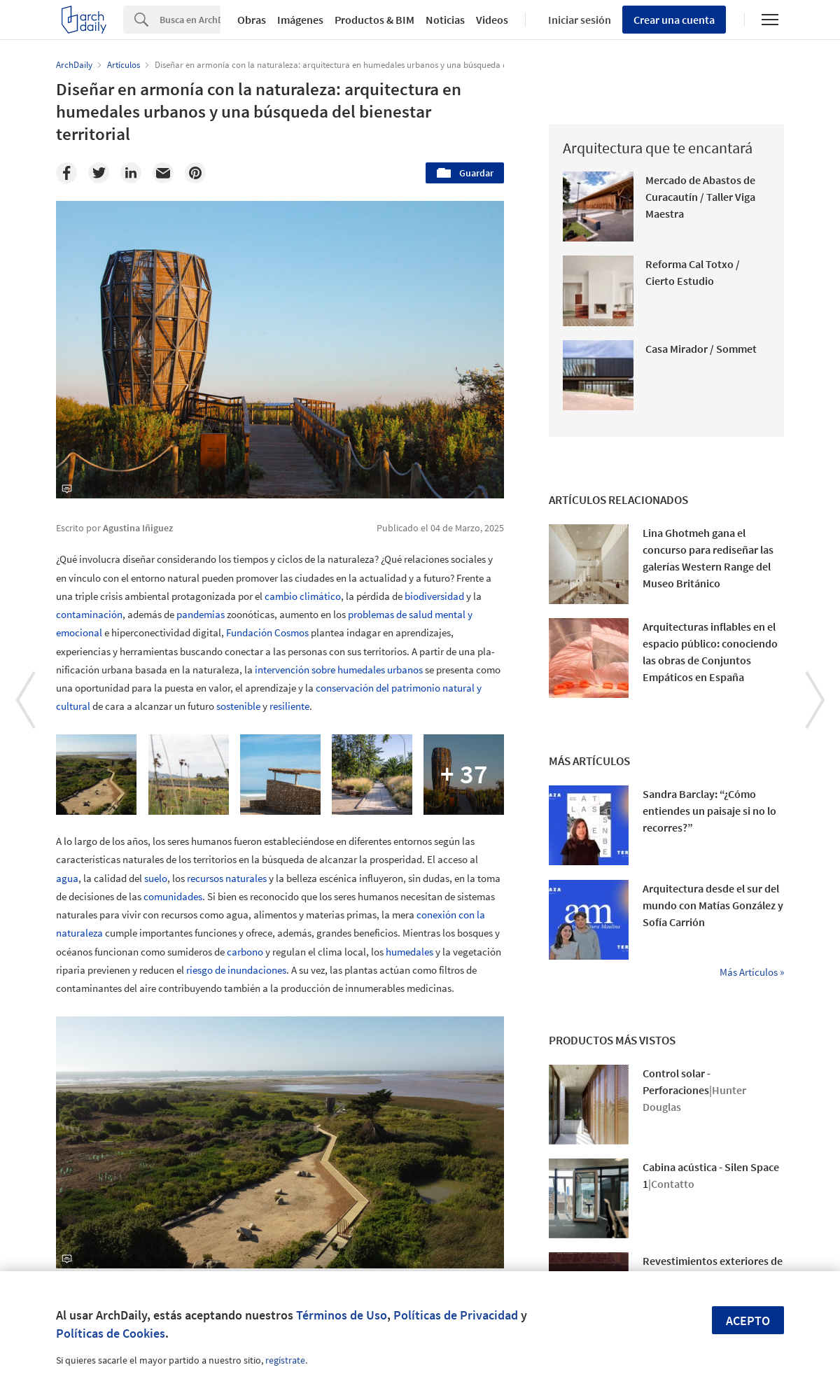
What does designing with consideration for the times and cycles of nature entail? What social and environmental relationships can cities foster today and in the future? Faced with a triple environmental crisis driven by climate change, biodiversity loss, and pollution, as well as zoonotic pandemics, increasing mental and emotional health problems, and digital hyperconnectivity, the Cosmos Foundation proposes to explore learning, experiences, and tools to connect people with their territories. Based on nature-based urban planning, interventions in urban wetlands present an opportunity to enhance, learn from, and conserve natural and cultural heritage in order to achieve a sustainable and resilient future.
Over the years, human beings have settled in different environments depending on the natural characteristics of their territories in their pursuit of prosperity. Access to water, soil quality, natural resources, and scenic beauty undoubtedly influenced community decision-making. While it is recognized that human beings need natural systems to live with resources such as water, food, and raw materials, the mere connection with nature serves important functions and also offers great benefits. While forests and oceans function as carbon sinks and regulate the local climate, wetlands and riparian vegetation prevent and reduce the risk of flooding. Plants, in turn, act as filters for air pollutants, also contributing to the production of countless medicines.
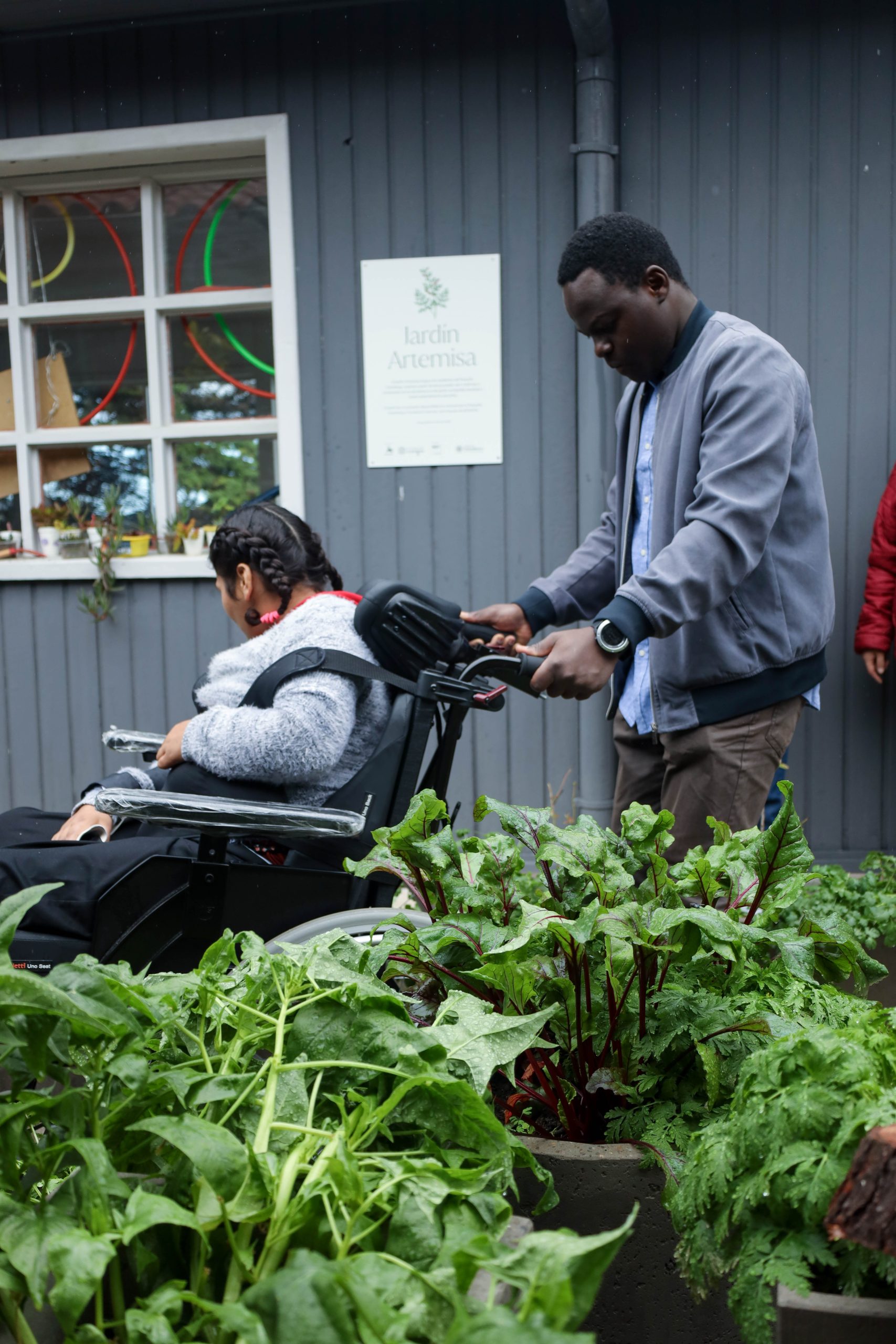
According to various studies, contact with nature can reduce stress, improve cognitive function, decrease the risk of chronic diseases, strengthen the immune system, and promote social and community connection, all of which have a significant impact on people’s mental, physical, and social health. For example, Roger Ulrich’s study, “View through a window may influence recovery from surgery,” investigated the relationship between hospitalization length, painkiller use, and exposure to nature from a window. The results showed that patients housed in rooms with a view of nature healed faster, required less pain medication, and had fewer post-surgery complications than patients with a view of a brick wall. Understanding the power of natural areas for health, the Cosmos Foundation has worked on the design of more than 30 Healing and Therapeutic Gardens in hospitals and nursing homes.
Continue reading the article on Archdaily.cl