24 Hours | World Wetlands Day: why these ecosystems are vital for Chile
- Publicado el 02.02.2026
- Escrito por Angel Fondon
Every February 2nd, World Wetlands Day is commemorated, a date that seeks to raise awareness about the importance of these ecosystems for people and the planet. The day marks the anniversary of the adoption of the Convention on Wetlands, signed in 1971 in the Iranian city of Ramsar, which gave rise to the international agreement now known as the Ramsar Convention. The celebration has been officially observed since 1997.
In Chile, wetlands, both rural and urban, fulfill strategic ecological functions: they conserve biodiversity, regulate the water cycle, and act as natural barriers against extreme weather events.
Find the original article at 24horas.cl
Little-known biodiversity hotspots
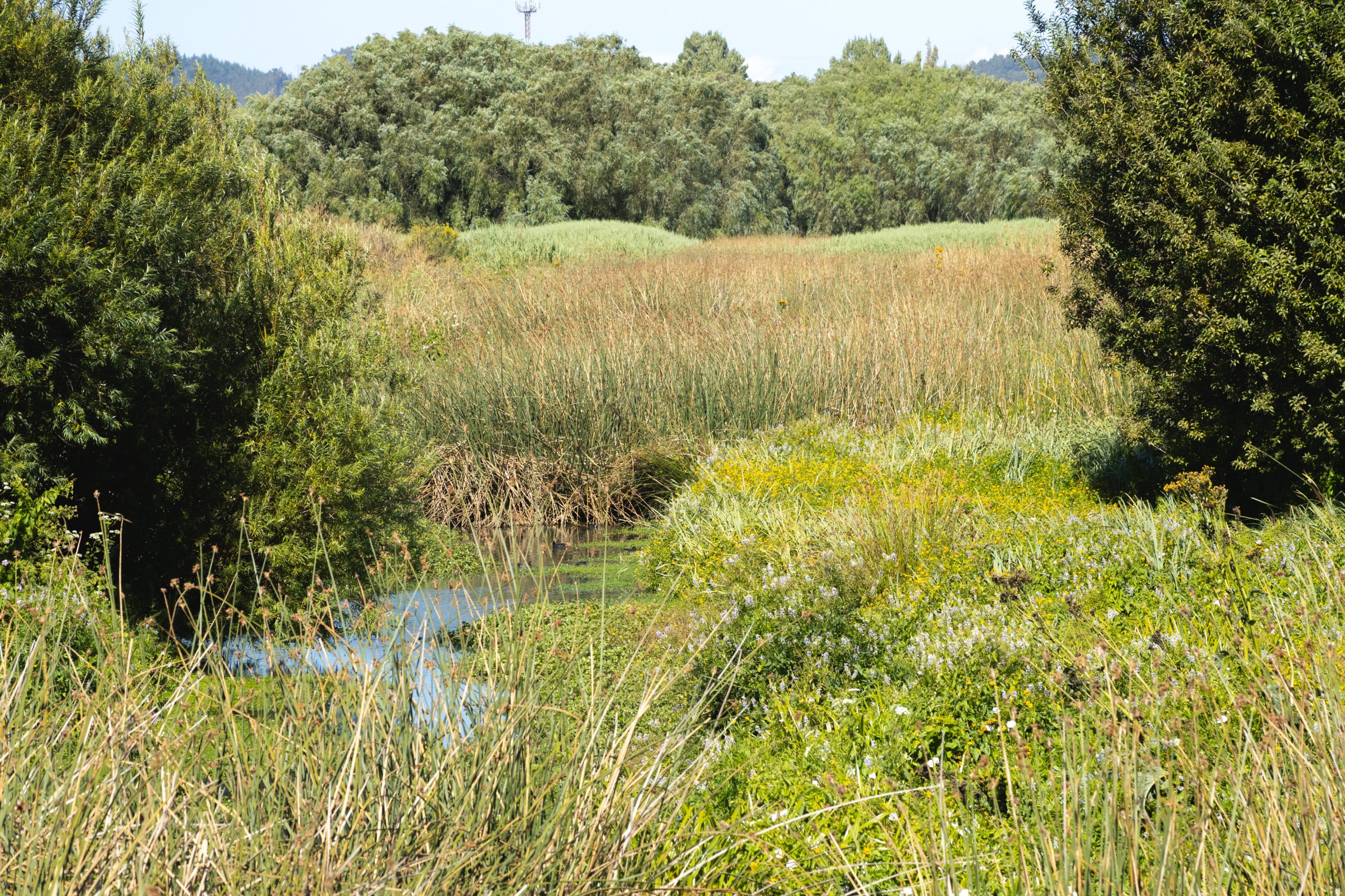
These areas are key, for example, because of their great biodiversity. Recent research related to the project “Comprehensive diagnosis for seven rural wetlands in the O’Higgins Region, protection and management alternatives ” has documented the presence of native flora and fauna species that depend directly on these environments to survive.
These wetlands are primarily associated with the Cachapoal and Tinguiririca rivers and the Codegua stream, forming dynamic and highly resilient river systems. “The river system of these wetlands is tremendously resilient to stressors such as floods, droughts, and climate variability,” explains Toraji Uraoka , a hydraulic engineer and hydrology expert on the project.
An exception in the region is the La Capilla wetland , in Malloa, where water emerges from an underground aquifer, forming a different system, but equally relevant from an ecological point of view.
Key aquatic refuges for threatened species
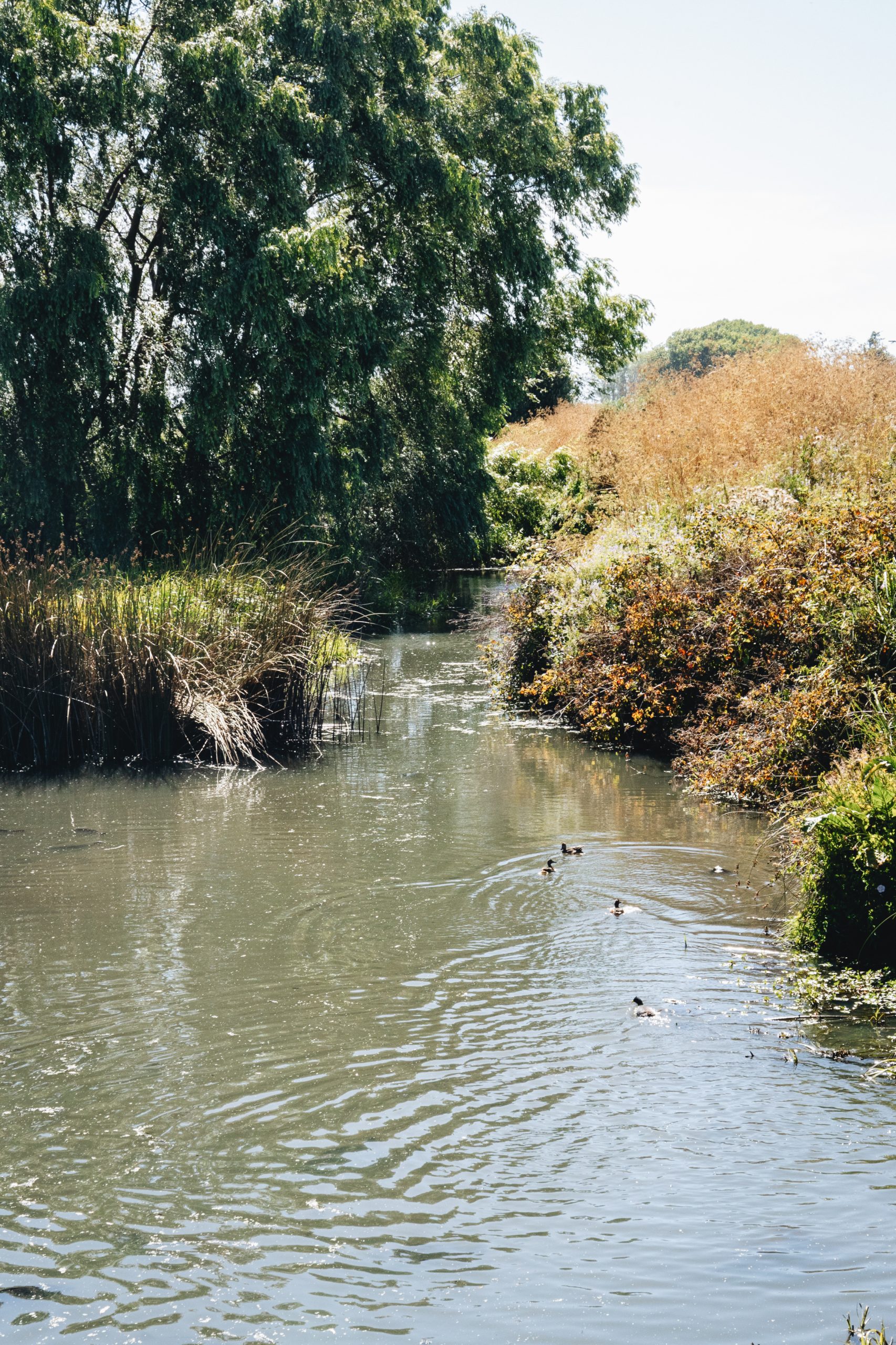
Hydrological connectivity is fundamental for aquatic fauna. Wetlands function as critical refuges for fish, amphibians, and macroinvertebrates whose movements are naturally restricted. Among the species recorded are highly threatened native fish, such as the pocha, the carmelita, and the large catfish, whose role in the food chain is key to maintaining the ecological balance of these systems.
Restoration: an urgent task
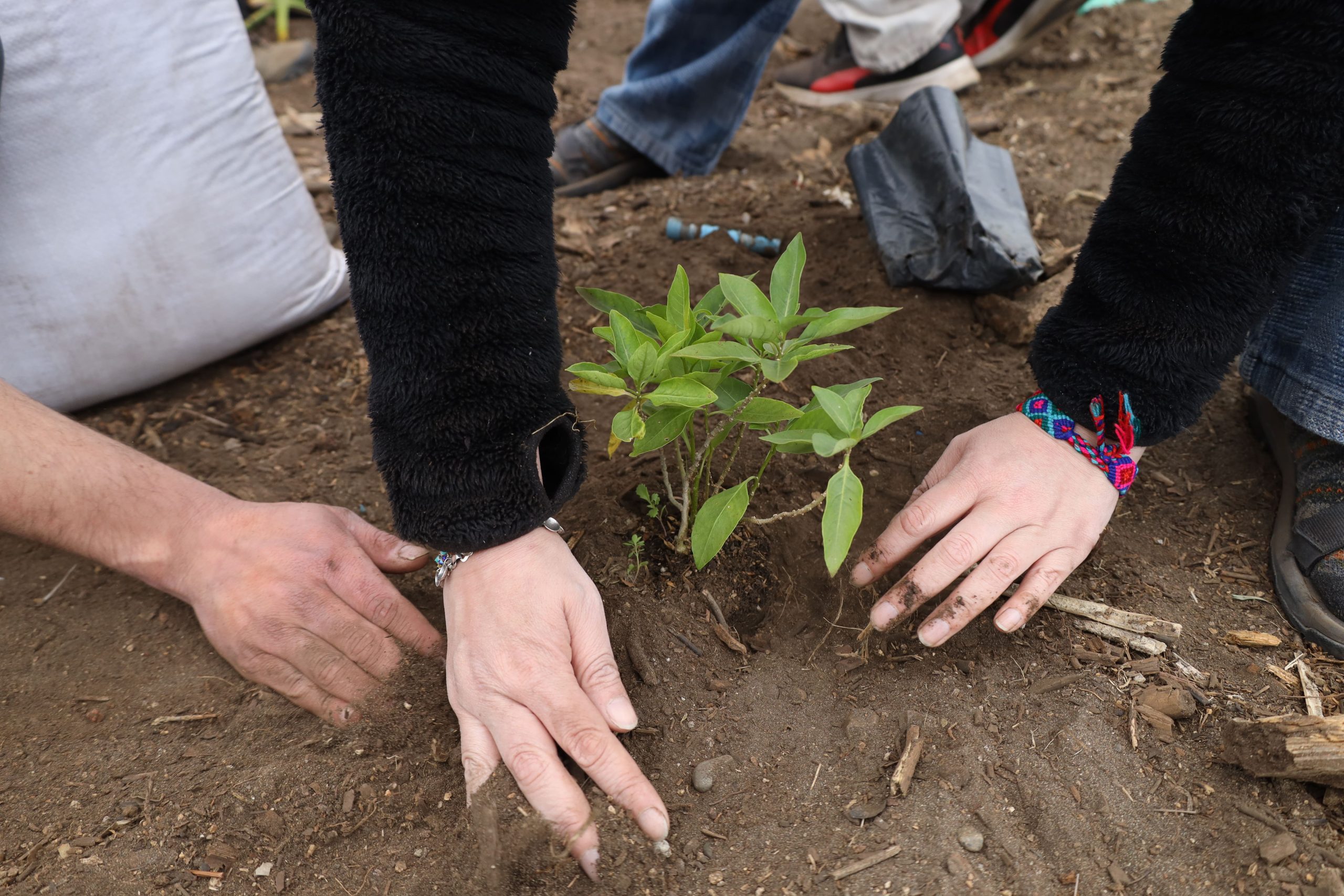
Scientific teams agree that all the wetlands identified in the O’Higgins region require restoration efforts, either through active interventions or by controlling threats such as activities incompatible with conservation. This trend is repeated throughout the rest of the country.
“In some cases, active restoration is necessary; in others, threats must be managed and sustainable agricultural practices promoted that allow agri-food systems in harmony with nature,” says Patricio Rodrigo , director of Chile Ambiente .
Restoration: an urgent task
Scientific teams agree that all the wetlands identified in the O’Higgins region require restoration efforts, either through active interventions or by controlling threats such as activities incompatible with conservation. This trend is repeated throughout the rest of the country.
“In some cases, active restoration is necessary; in others, threats must be managed and sustainable agricultural practices promoted that allow for agri-food systems in harmony with nature,” says Patricio Rodrigo, director of Chile Ambiente.

Maipo River Wetland: a vital corridor for migratory birds
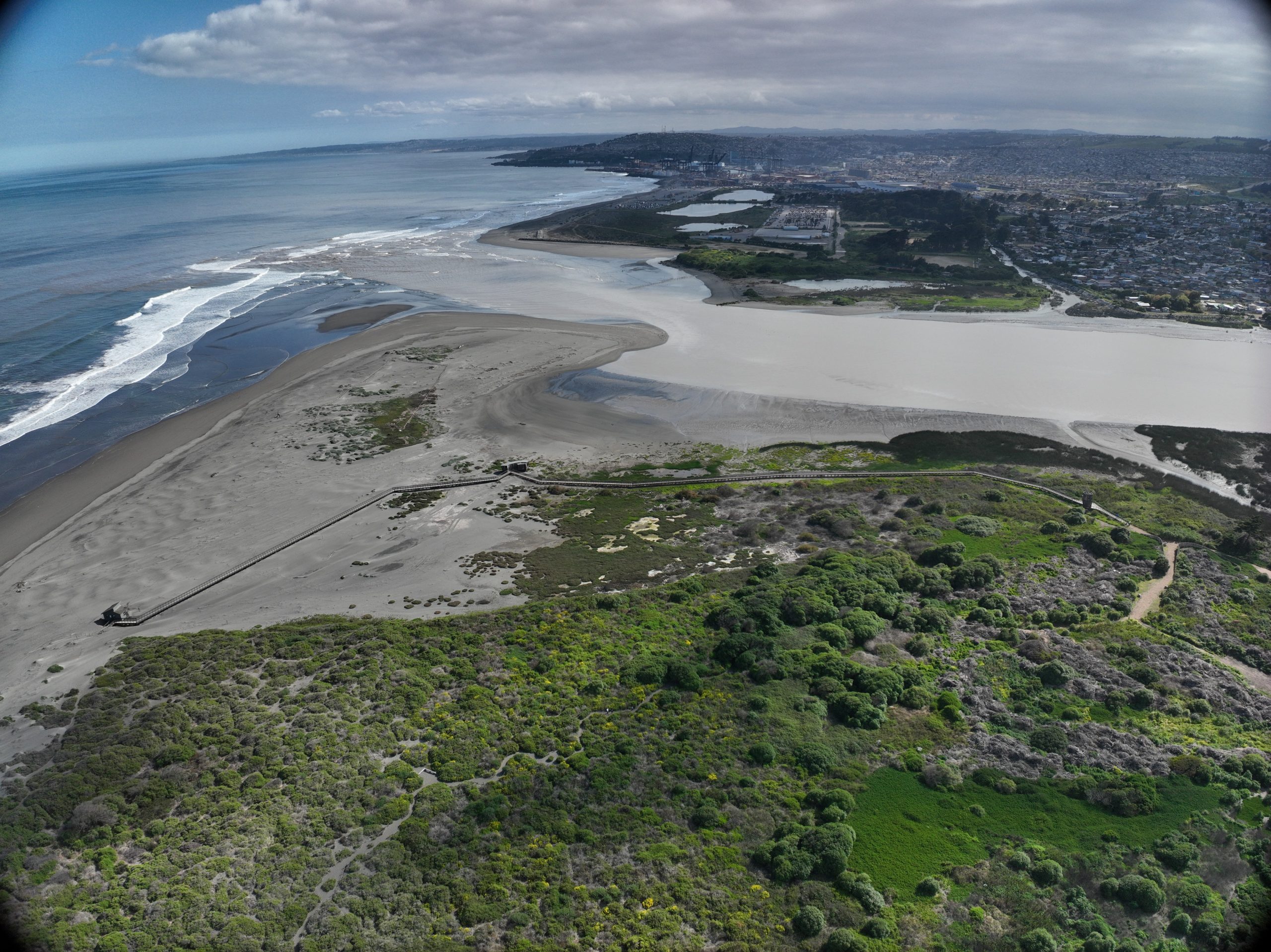
These areas are also crucial for other animals, such as birds. In the central region, the Maipo River Wetland stands out as one of the country’s most important ecosystems. Located in the municipality of Santo Domingo, it is home to more than 195 bird species, representing approximately 35% of all bird species recorded in Chile.
Every year, migratory birds traveling from as far away as Alaska and Canada use this wetland as a resting and feeding ground. “It’s not just a local landscape: it’s a critical natural infrastructure that connects Chile to the continent’s migratory routes,” explains Diego Urrejola, executive director of the Cosmos Foundation, the organization that manages the sanctuary.
Much more than biodiversity: key functions for people
Even so, the value of the Maipo River Wetland, like other wetlands, is not limited to birds. Its natural dynamics help to buffer storm surges, reduce coastal erosion, regulate river flooding, and ensure the supply of drinking water for the province of San Antonio. Furthermore, it forms part of the Maipo River basin, on which nearly half of the country’s population depends.
In a context of climate change and increasingly frequent extreme events, these ecosystems are consolidating as a strategic natural infrastructure for territorial resilience.
“Without water, without biodiversity, and without healthy ecosystems, development is impossible. Protecting wetlands must be a public priority,” Urrejola emphasizes.