National Library Garden
Santiago, Metropolitan Region, Chile.
“Always teach: in the playground and on the street as well as in the classroom. Teach with attitude, gestures, and words.”
— Gabriela Mistral .
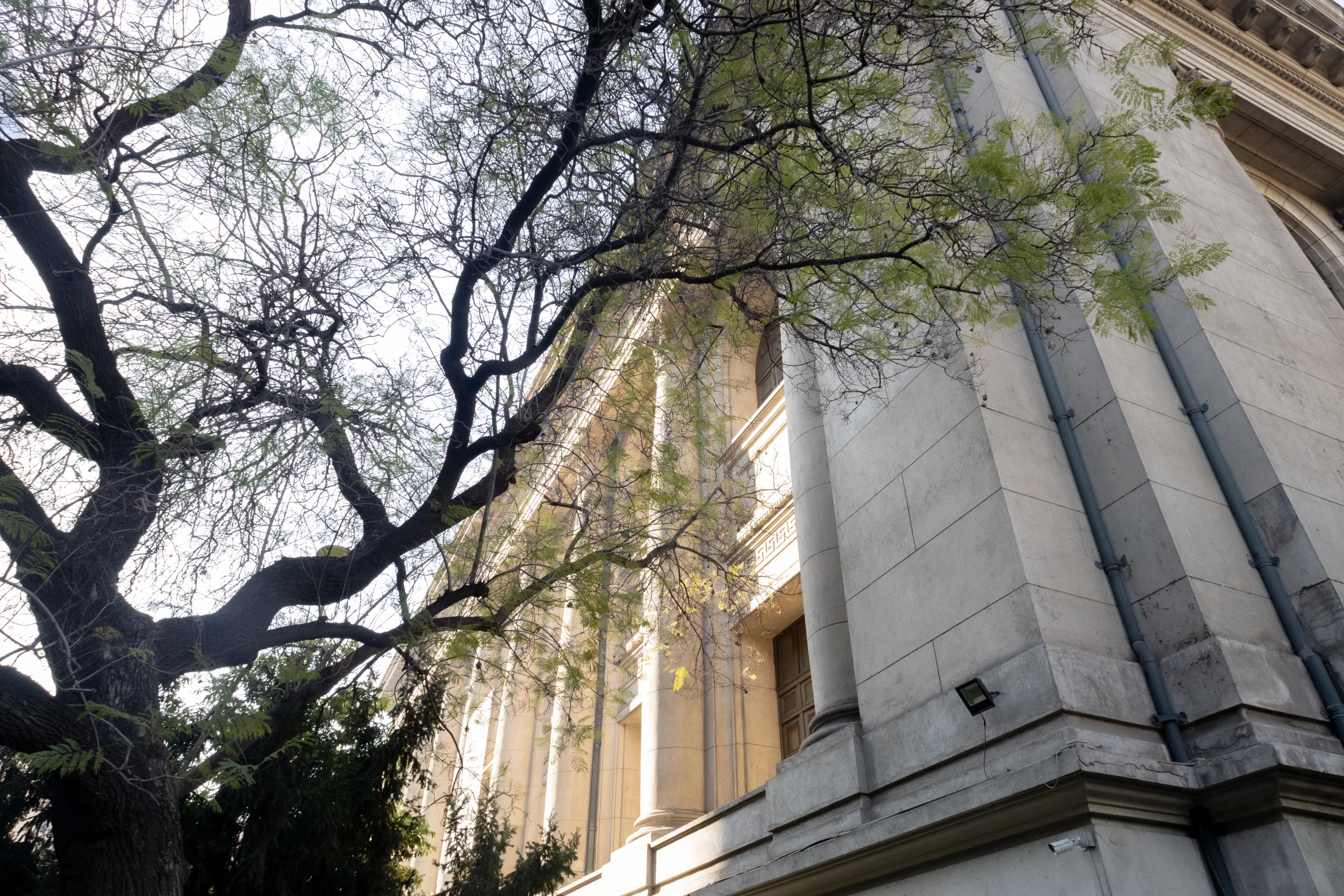
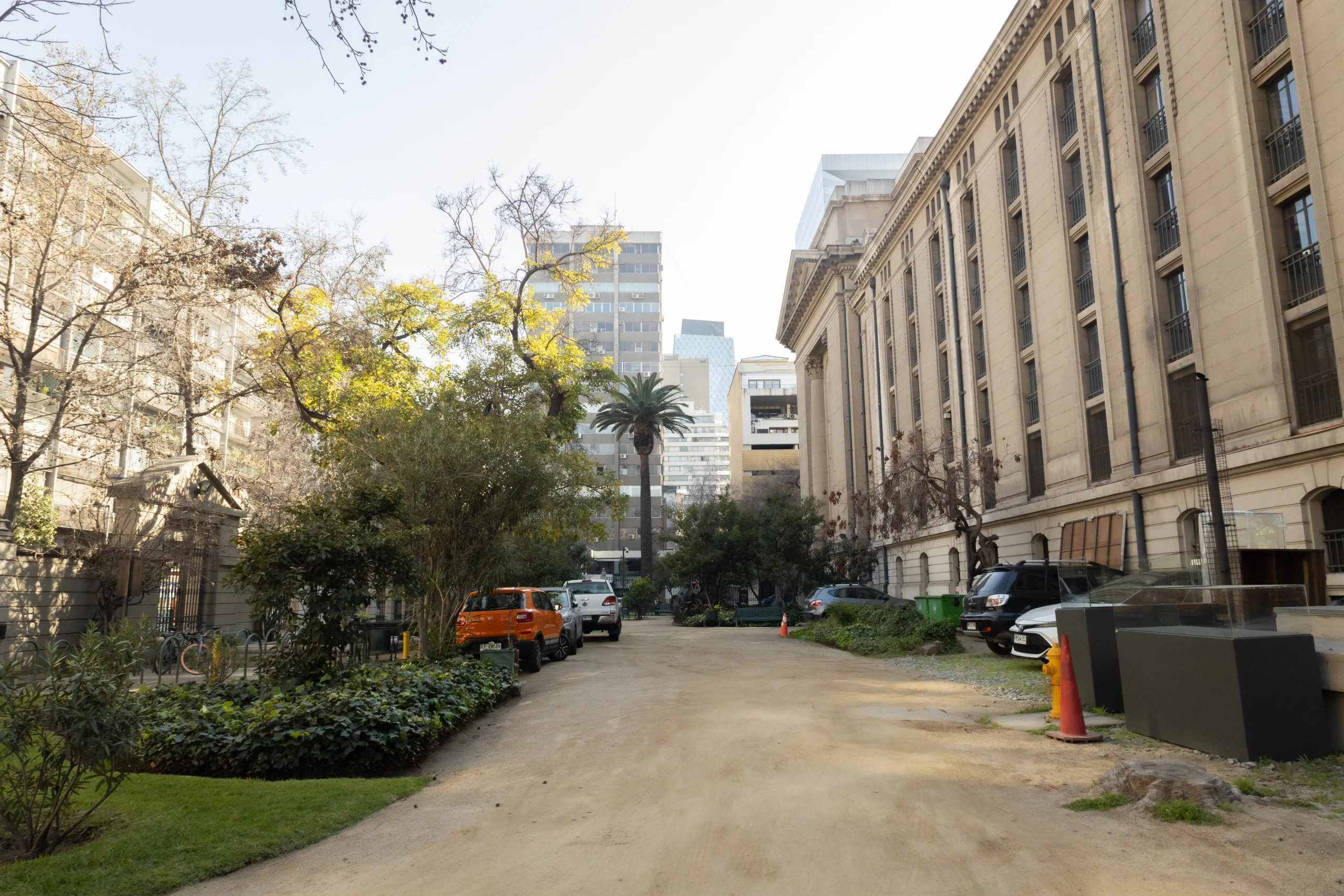
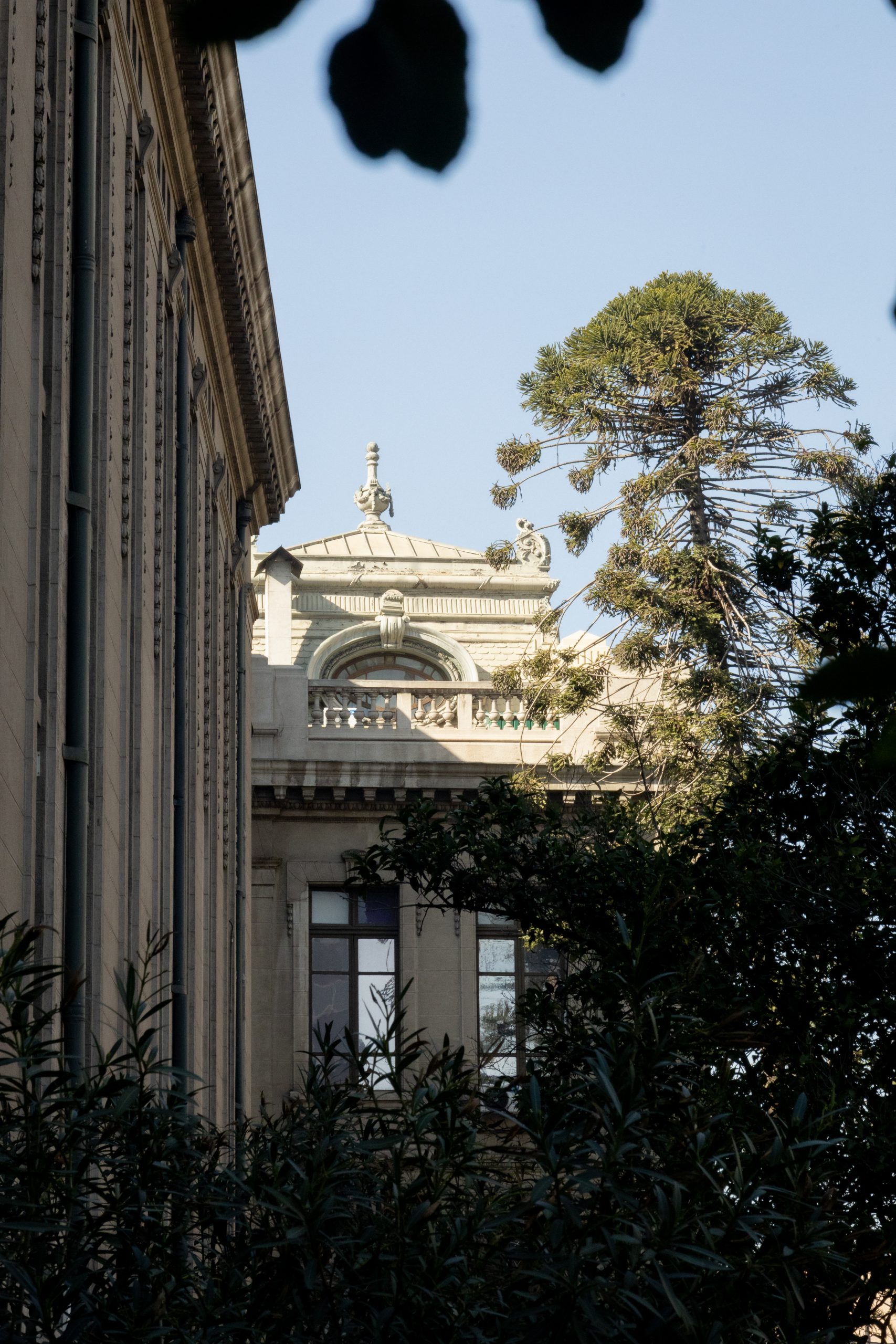
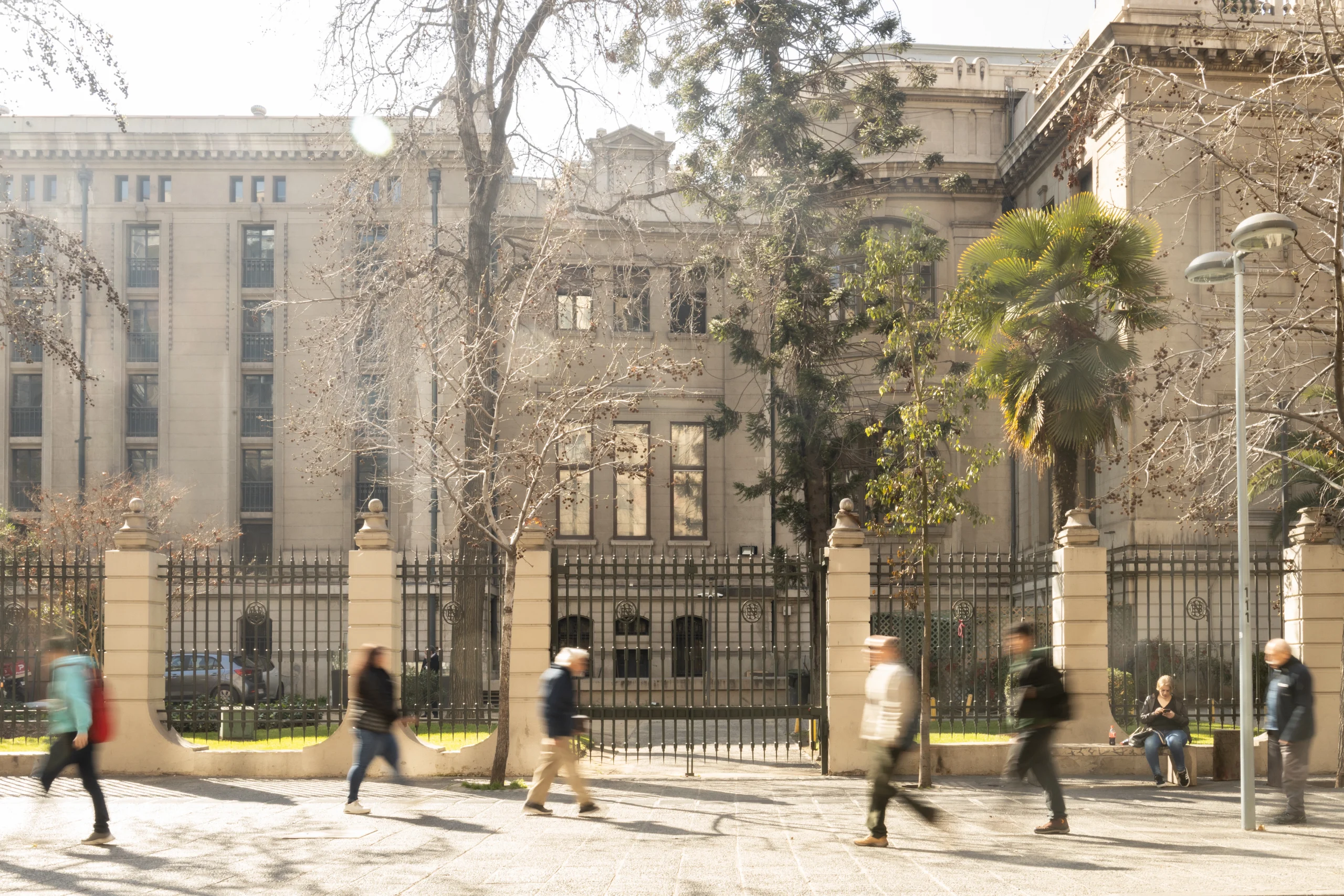
In 2025, the Cosmos Foundation and the National Library of Chile began a collaboration to design the transformation of its interior garden: a space of high heritage value that, despite its strategic location in the center of Santiago, has historically remained closed to public use and disconnected from the urban life that surrounds it.
The project aims to open this space to the city, transforming it into an interactive garden that integrates culture, nature, and civic engagement. This initiative is part of the Alameda-Providencia corridor renovation process, designed to revitalize public space, improve the quality of urban life, and strengthen the identity of downtown Santiago.
Participatory design
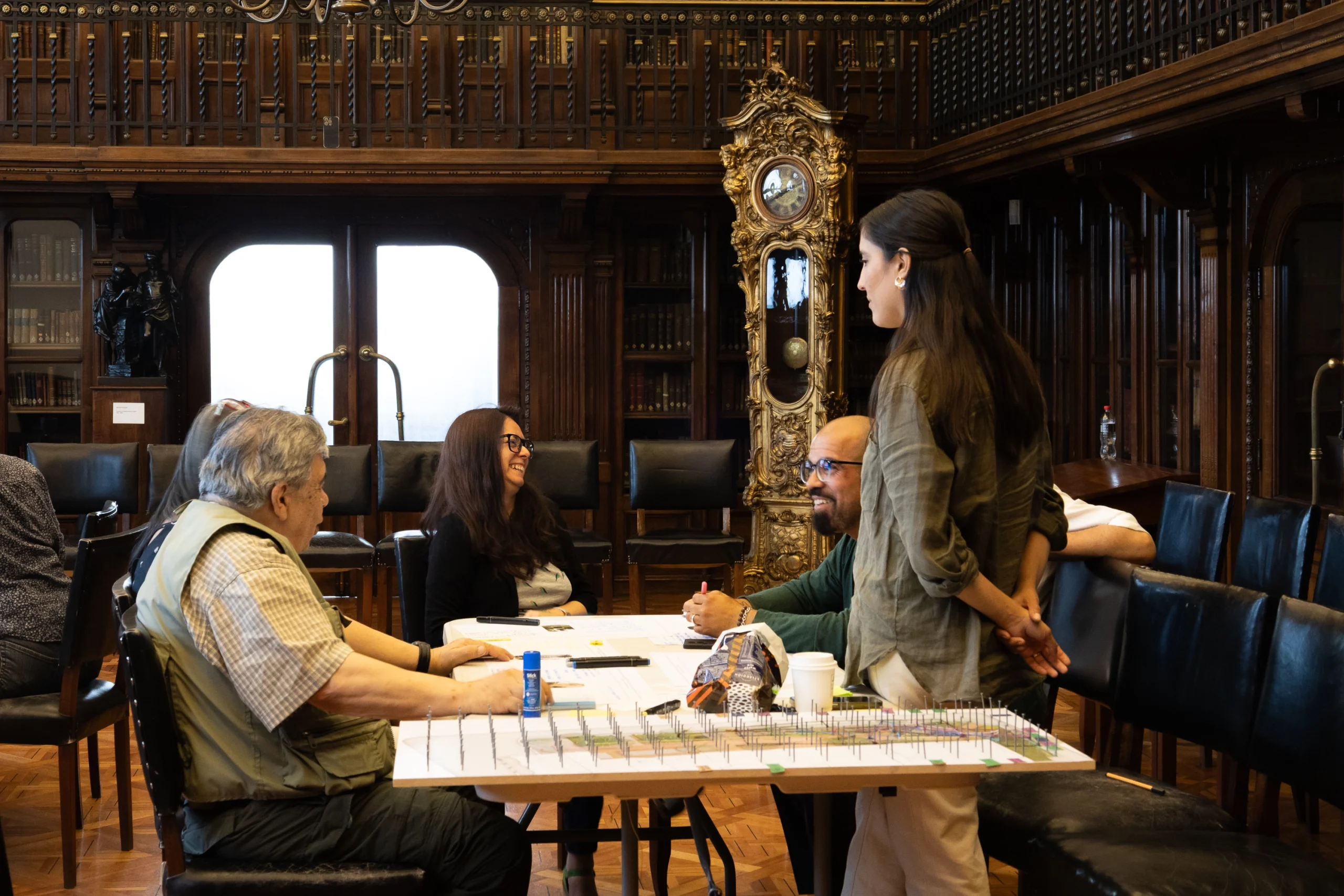
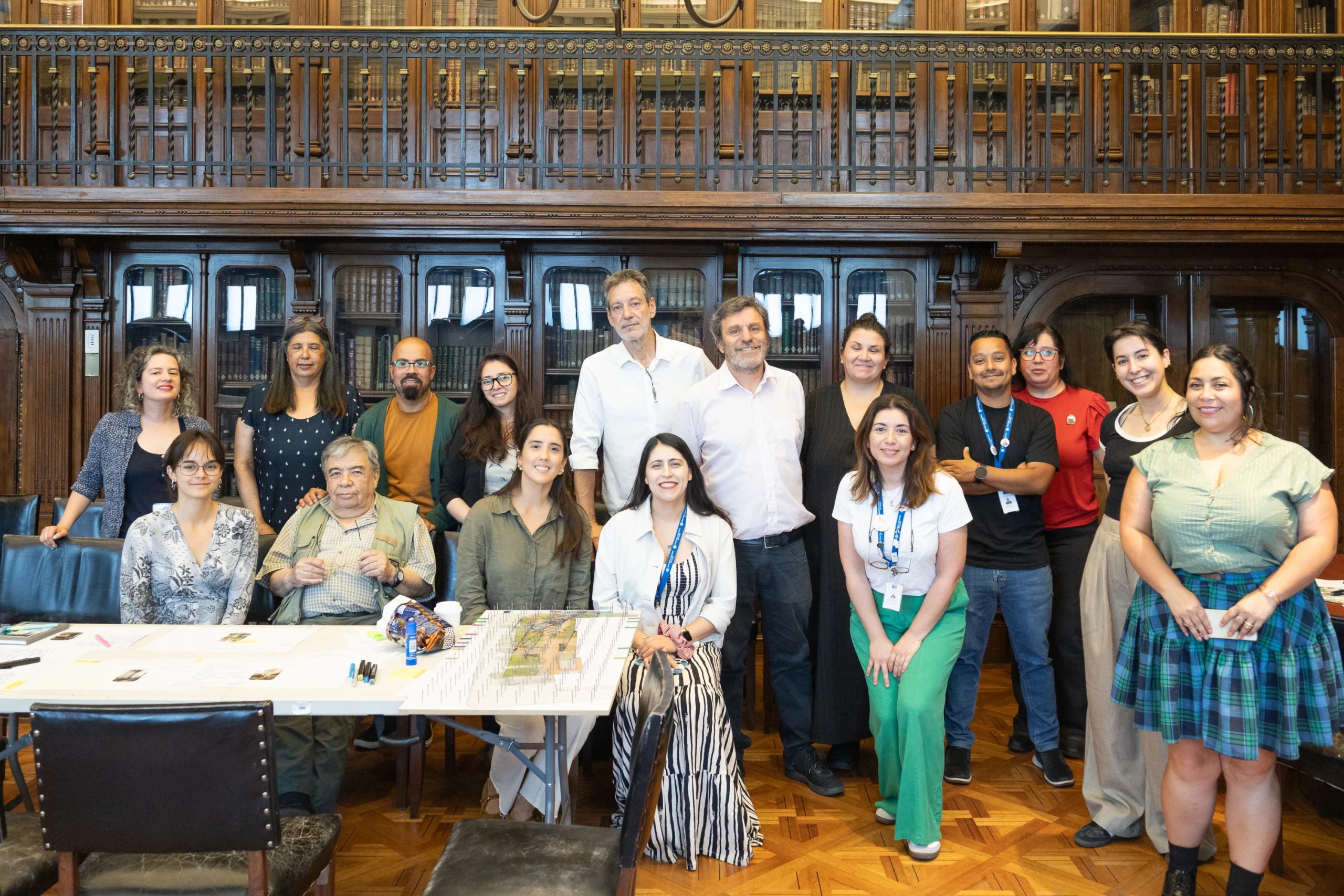
The development of the project has been driven through a participatory design process led by Fundación Cosmos, which has allowed the collection of the visions and needs of the different actors linked to the space: visitors, officials of the institution, academic communities, residents of the civic district and users of the Alameda–Providencia corridor.
From this process, a multifunctional program was defined that integrates environmental education, cultural recreation, heritage mediation and everyday use of public space, seeking to make the garden an active, inclusive and meaningful place for the community.
Design and projection
Currently, the project is in the design phase, guided by sustainability criteria and respect for the building’s heritage value . The proposal includes the incorporation of native vegetation, permeable surfaces, rain gardens, and interpretive signage that connects the flora with the cultural heritage of the National Library.
The design includes accessible pathways, seating areas, spaces for low-impact cultural activities, and a sensory garden featuring species of ethnobotanical value. All interventions have been designed to be reversible and have minimal structural impact, safeguarding the integrity of the heritage site.
Once the proposal is finalized, it will be returned to the community for validation and submitted to the National Monuments Council for approval. Simultaneously, efforts are underway to secure public and private funding for its implementation.